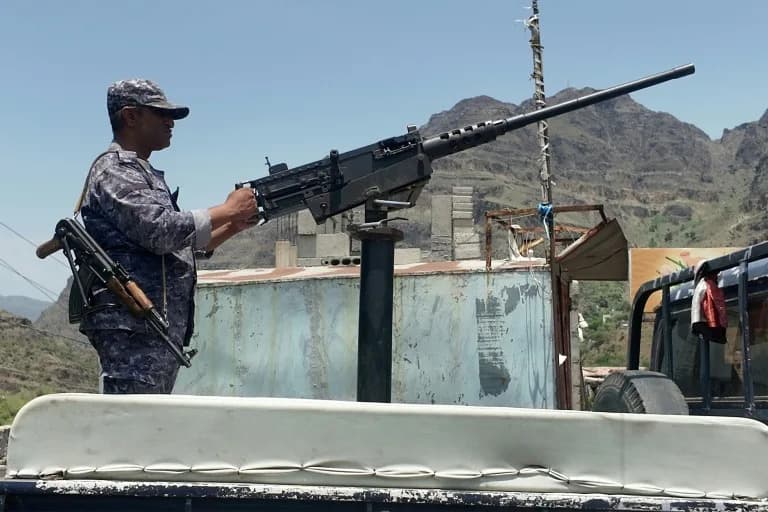
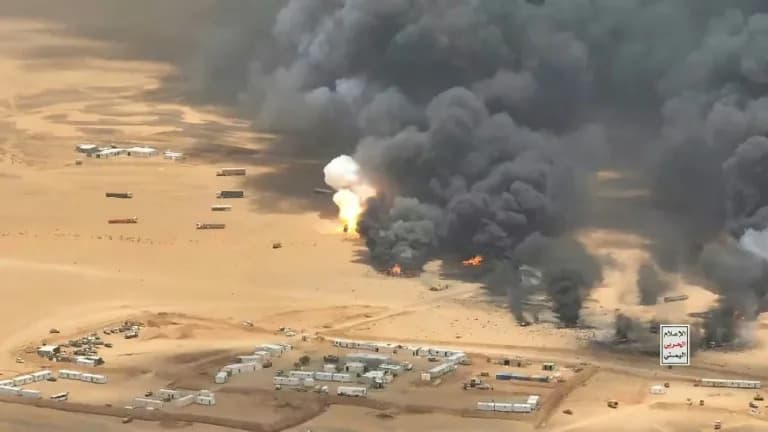
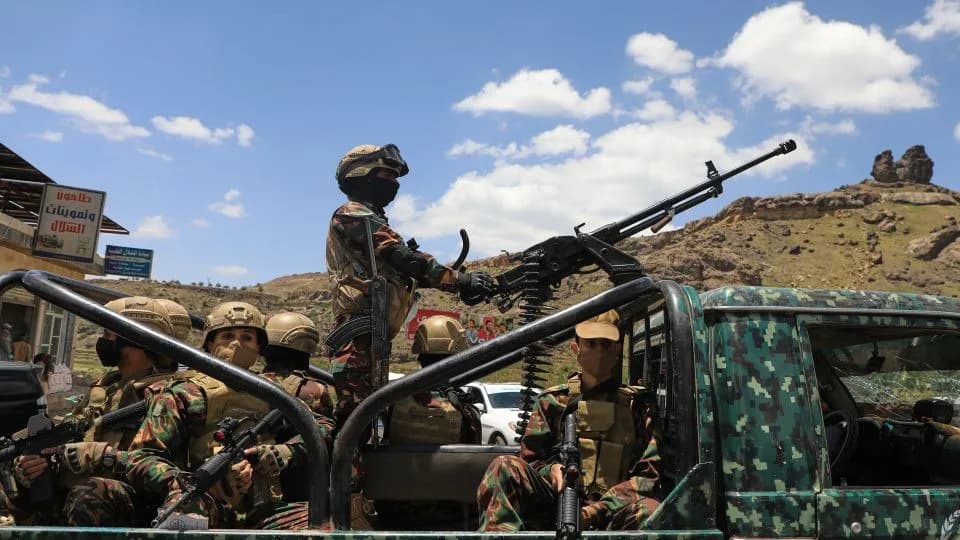
The Houthis publicly align with Iran and say they are prepared to act, but have not ordered fighters into open conflict with the United States and Israel. Since October 2023 their missile and drone strikes have disrupted Red Sea and Suez Canal traffic, raising insurance costs and forcing rerouting. Analysts warn attacks on oil terminals or pipelines that route up to seven million barrels a day would risk severe retaliation and threaten reconstruction or settlement prospects. For Yemenis already exhausted by more than a decade of war, escalation would bring deeper suffering.
Will Yemen’s Houthis Join the US–Israel Conflict? Red Sea Strikes and the Stakes for Global Energy
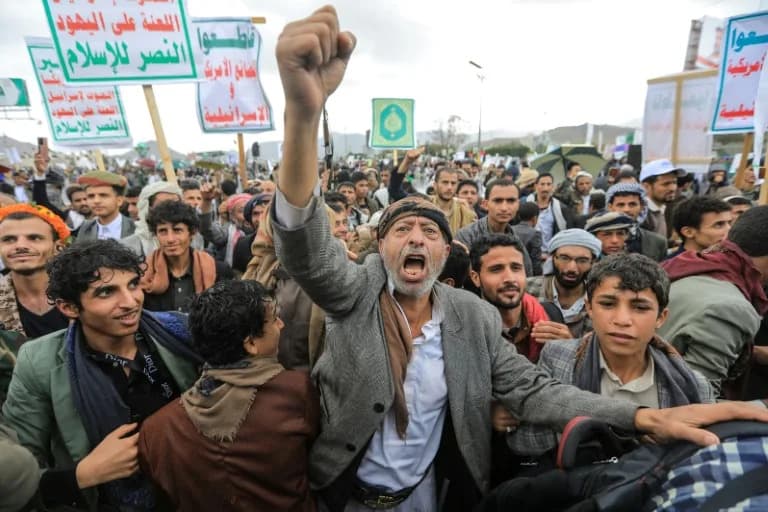
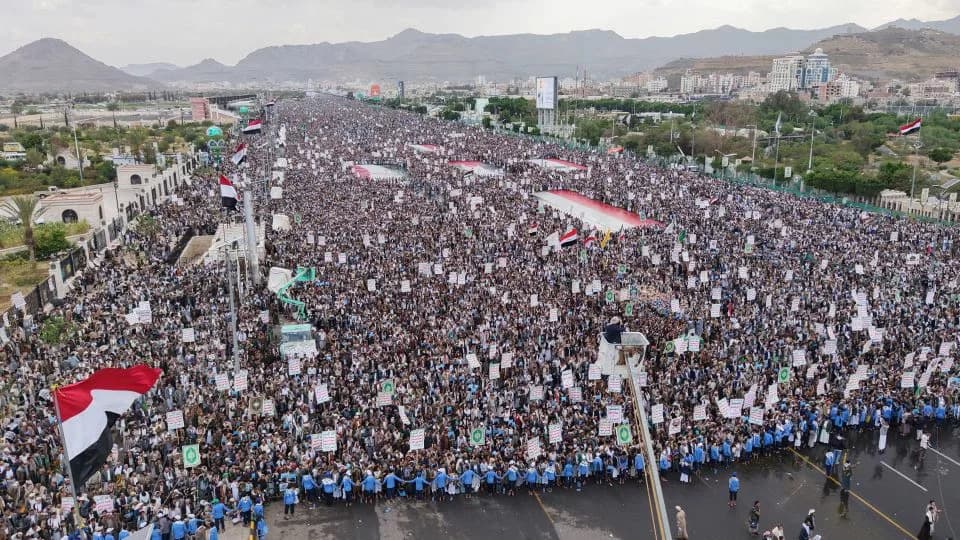
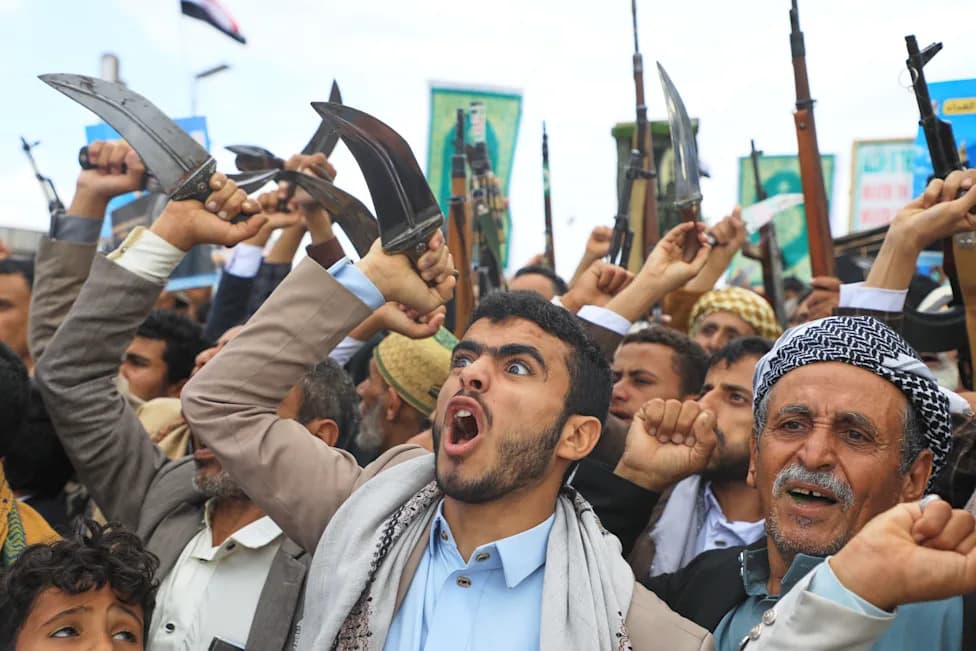
A man gestures as supporters of Yemen's Huthi rebels take part in the Al-Quds (Jerusalem) Day rally, a commemoration in support of the Palestinian people on the last Friday of the Islamic holy month of Ramadan, in Sanaa on March 13, 2026. Yemen's Houthi rebels on March 9, welcomed Iran's ruling clerics appointing their slain leader's son as the country's new supreme leader, calling it a major blow for the Islamic republic's enemies as it fights a war with the United States and Israel. (Mohammed HUWAIS)(Mohammed HUWAIS/AFP/AFP)
Armed supporters in Sanaa wave portraits of Iran's late Ayatollah Ali Khamenei and chant slogans targeting the United States and Israel, underscoring the Houthis' political alignment with Tehran. Yet despite public shows of solidarity and repeated warnings from their leadership, the group has stopped short of ordering fighters to join the wider US–Israel confrontation.
Readiness Without Full Commitment
'Our fingers are on the trigger, ready to respond at any moment should developments warrant it,' Abdul Malik al-Houthi told his fighters, signaling preparedness while withholding an operational order to escalate.
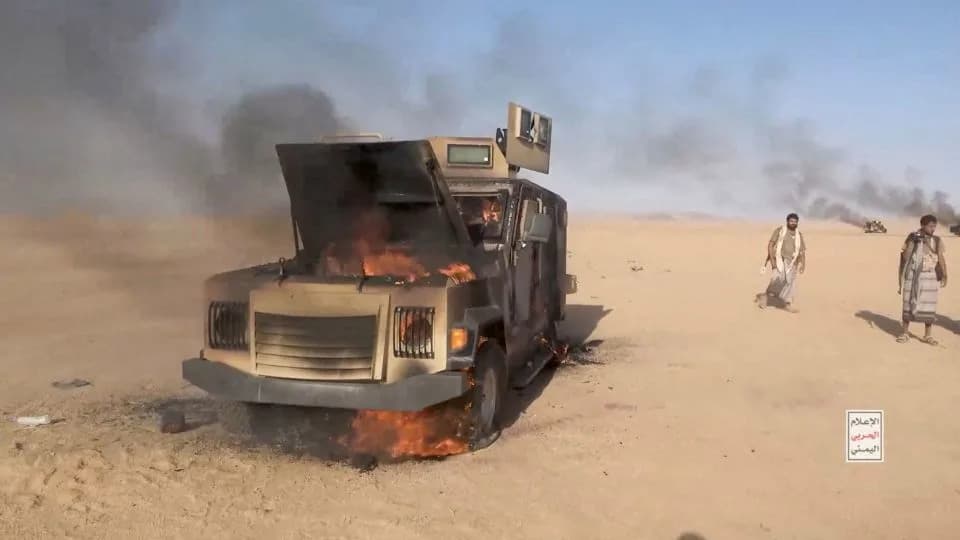
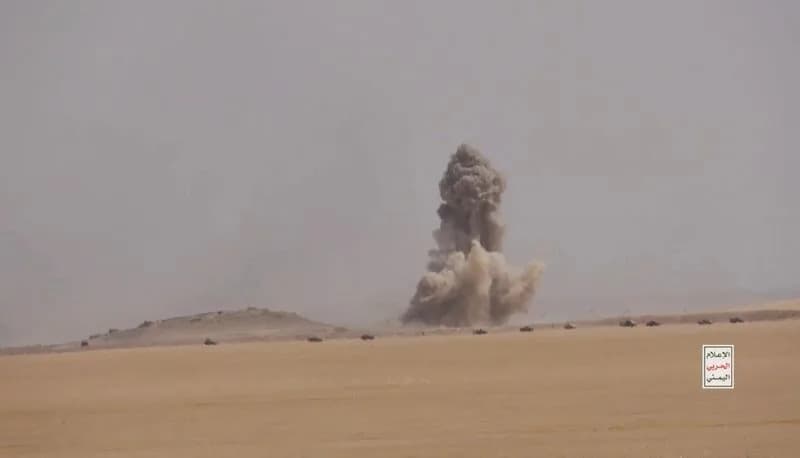
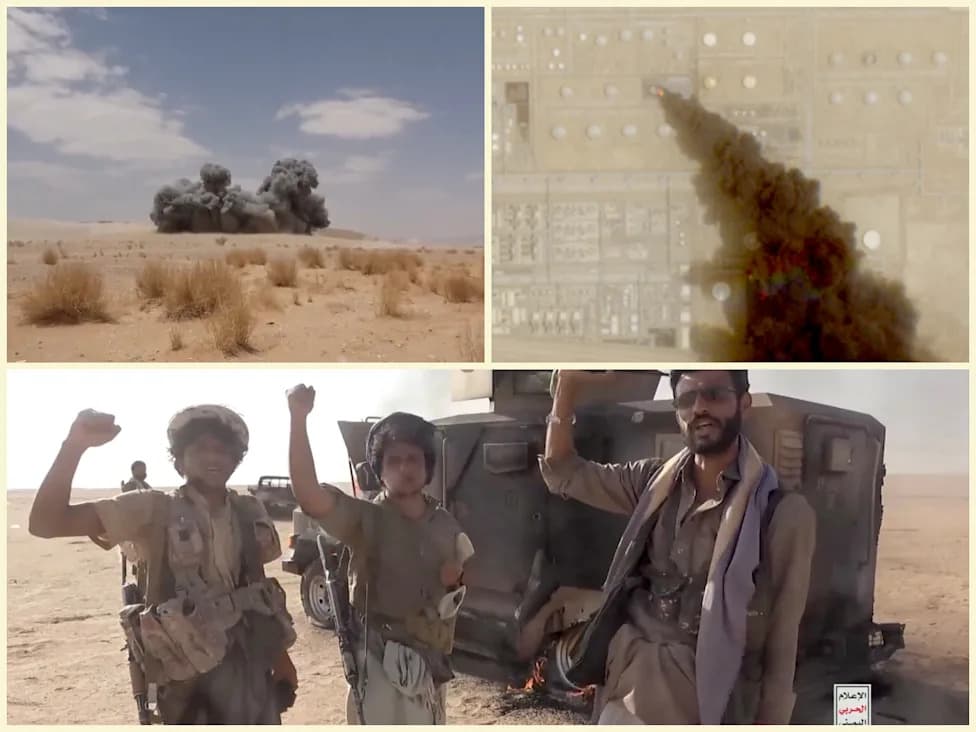
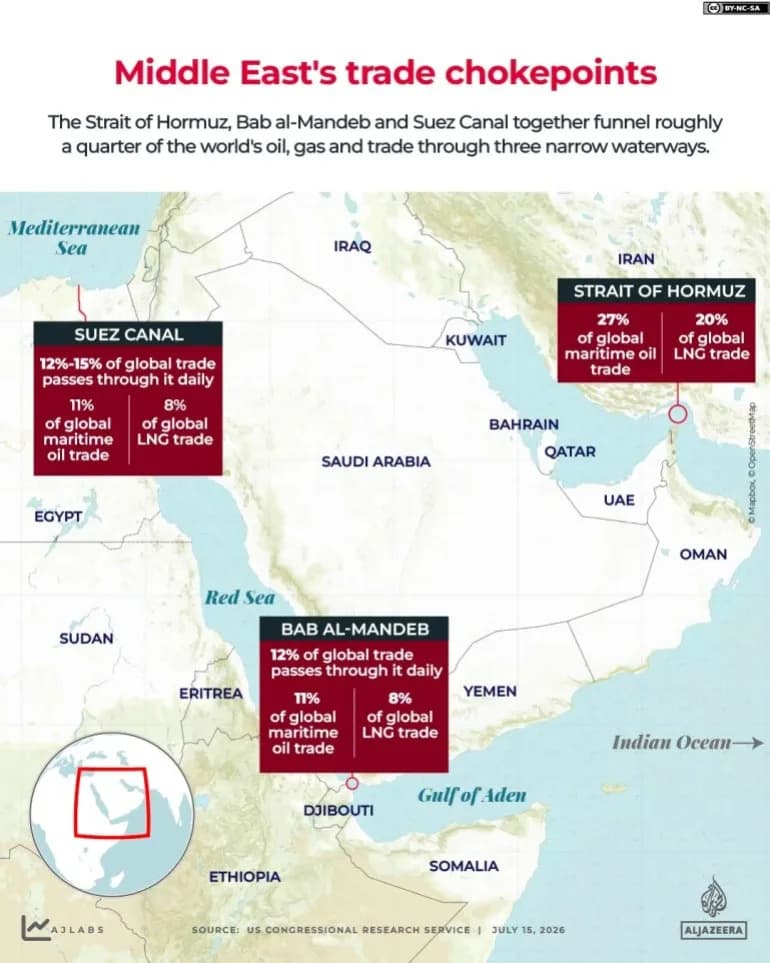
Since October 2023 the movement has mounted a campaign that disrupted Red Sea and Suez Canal traffic: intermittent missile and drone strikes raised insurance costs, forced rerouting and rattled global shipping. Those operations demonstrated the Houthis' ability to impose economic pain without triggering an outright regional war.
Strategic Leverage Over Energy Routes
From mountain positions overlooking the Red Sea, the Houthis can threaten shipping lanes that feed global energy markets. Energy analysts at Kpler have tracked tanker movements racing toward Saudi Arabia's Yanbu terminals, part of a contingency that routes crude across pipelines linking Gulf storage and refineries to the Red Sea. Those facilities can move as much as seven million barrels per day — a flow that would be vulnerable to strikes on maritime or terminal infrastructure.
Analysts warn that Tehran could seek to widen the campaign by coordinating proxy attacks, raising the prospect that Houthi strikes on oil infrastructure could be carried out at Iran's direction. Such a move would almost certainly invite a strong military response from the United States and Israel, and risk Saudi and Gulf intervention.
Domestic Constraints and Human Cost
The Houthis have grown more capable over a decade of conflict, acquiring missiles and a variety of drones with Iranian support that can reach targets hundreds of kilometres away. Still, they remain less doctrinally bound to Tehran than some other proxies and have retained a degree of strategic autonomy.
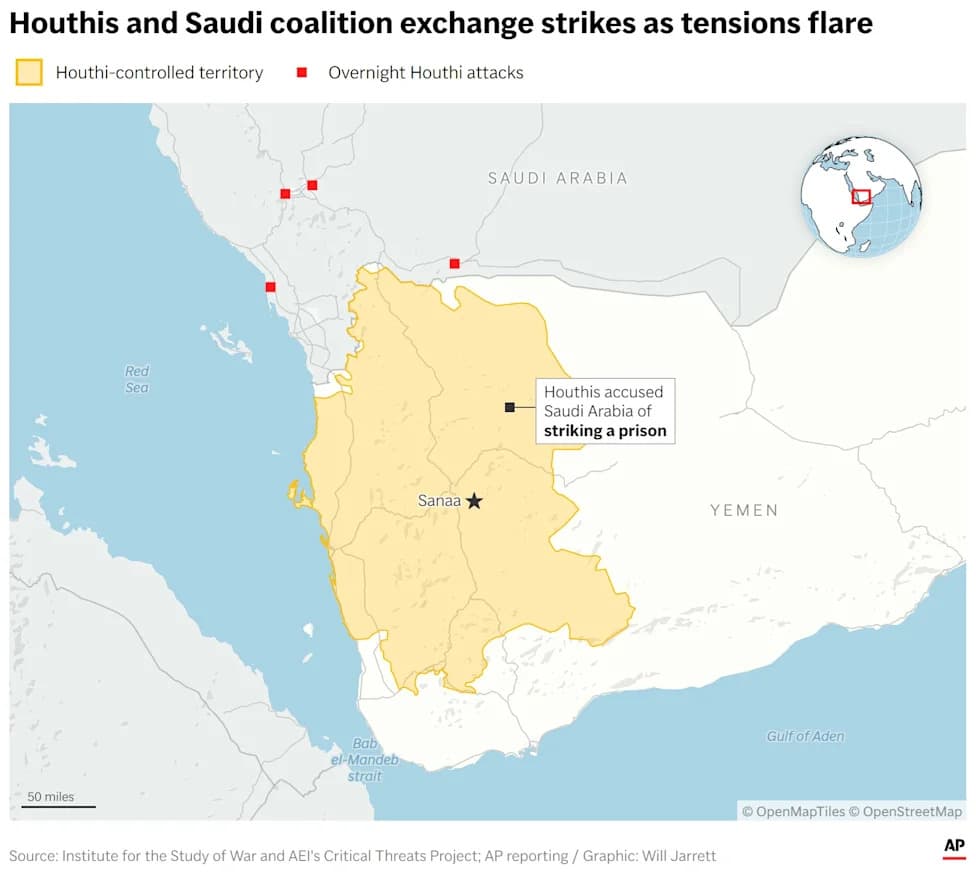
Crucially, the movement has also observed a fragile truce with the Saudi-led coalition since 2022, which sharply reduced fighting inside Yemen. Openly attacking shipping lanes or oil terminals would jeopardize any potential reconstruction funds, post-war settlements and ties to regional actors — a high political and economic cost.
For ordinary Yemenis, already exhausted after more than a decade of war, renewed escalation would compound hardship. 'People are exhausted and worn out,' a Sanaa lawyer told AFP. 'They can't afford clothes, or medical care, or even food and drink.' A housewife in Hodeidah warned: 'It's the people who pay the price — destruction, fear, and innocent lives lost.'
What Comes Next
The current posture looks aimed at preserving leverage: the Houthis signal readiness and inflict periodic disruption while avoiding a full-scale opening that would invite devastating retaliation and close off diplomatic and financial options. The biggest risks remain miscalculation and outside direction that could drag the group into a broader, more destructive confrontation with global consequences for energy markets and regional stability.
Help us improve.