Donald Trump urged allied nations to send warships to the Strait of Hormuz to protect commercial shipping, but the appeal has so far met little support from named partners. Germany called a proposed protection plan “not effective,” while the UK, Japan, China and South Korea have not committed. The announcement comes amid renewed missile and drone attacks by Iran and retaliatory U.S. and Israeli strikes. Domestic fallout includes an FCC controversy over "fake news" rules, criticism from Senator Cory Booker about congressional oversight, airline CEOs urging an end to a 29-day shutdown, and leaked DHS incubator files on AI surveillance funding.
Trump’s Call for Allied Warships in the Strait of Hormuz Draws International Skepticism
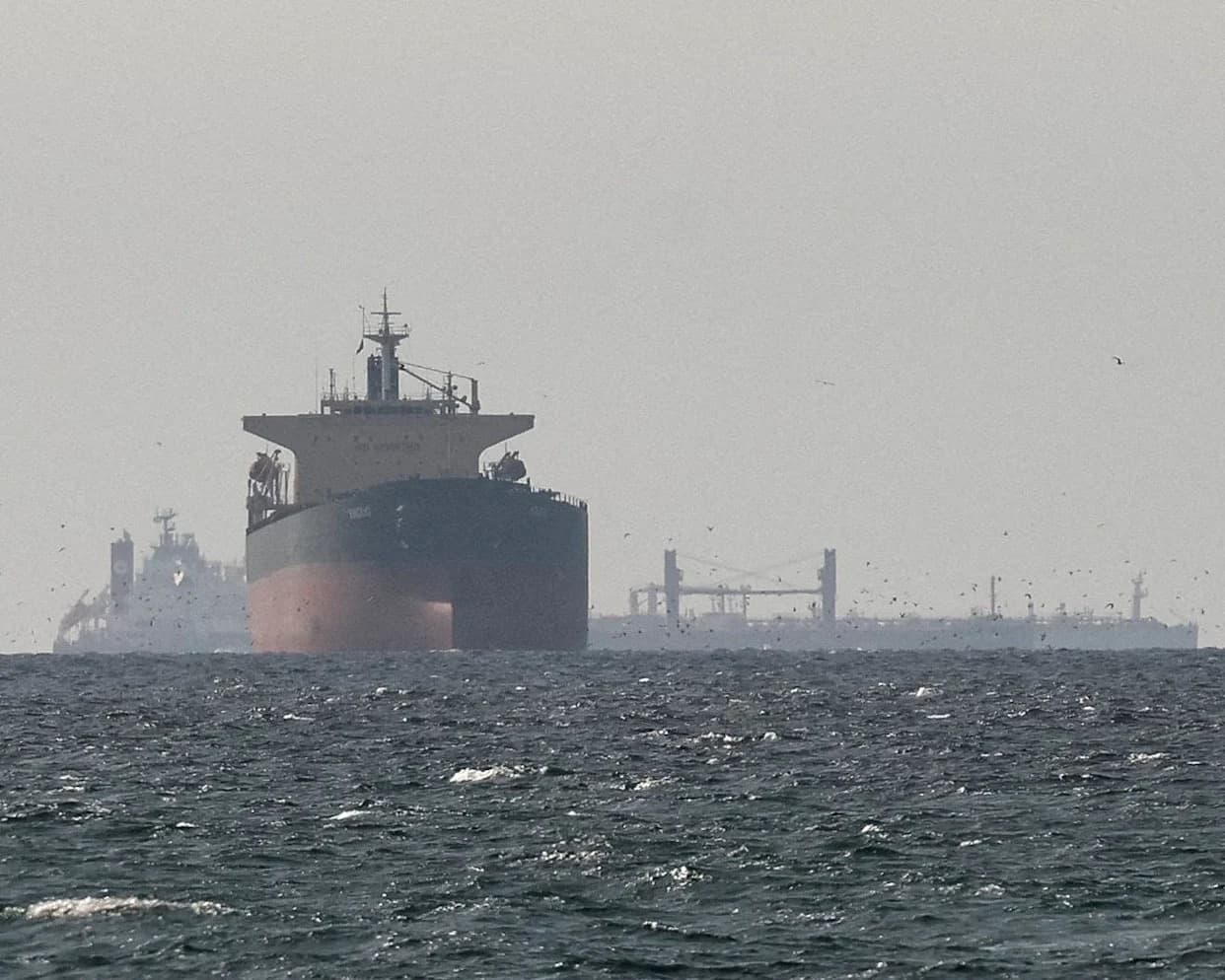
Tankers sail in the Gulf, near the strait of Hormuz.Photograph: Reuters(Photograph: Reuters)
Donald Trump has urged allied nations to dispatch warships to the Strait of Hormuz to protect commercial shipping and help reopen constrained global oil flows, but the appeal has produced a muted international response.
Posting on his Truth Social account, Mr. Trump named the UK, China, France, Japan, South Korea and other states as potential contributors to a naval presence in the world’s busiest shipping lane, which he said is being violently blockaded by Iran. He wrote that “many countries” would send vessels “to keep the strait open and safe.”
So far, several of the countries Trump mentioned — including the UK, Japan, China and South Korea — have declined to make firm commitments and say they are still weighing options. Germany’s foreign minister, Johann Wadephul, described a proposed ship-protection scheme against Houthi attacks as “not effective.”
In an interview with the Financial Times, Mr. Trump warned that NATO faces a “very bad” future if U.S. partners do not assist in reopening the Strait of Hormuz. “It’s only appropriate that people who are the beneficiaries of the strait will help to make sure that nothing bad happens there,” he said.
Related Developments
Iran launched fresh missile and drone strikes across the Gulf and against Israel, prompting new waves of retaliatory strikes by Israeli and U.S. warplanes on targets in Iran. The escalating exchanges have heightened regional tensions and underscored Washington’s push for allied participation in securing maritime routes.
In Washington, FCC chair Brendan Carr warned broadcasters they could risk losing licences if regulators determine they are airing "fake news" about the Iran conflict. The comments prompted pushback from Republican Senator Ron Johnson, who criticized government intervention in private media and raised free-speech concerns.
Democratic Senator Cory Booker lamented that both parties had been “feckless” in ceding congressional war powers to the president, warning the trend could encourage unilateral military action against other countries.
Domestic policy and security items also featured in the bulletin: CEOs of major U.S. airlines urged Congress to end a 29-day partial government shutdown that has left 50,000 airport security officers working without pay, warning of further travel disruption if the impasse continues. Separately, hacked files from the Department of Homeland Security’s technology incubator reportedly show funding for companies developing AI-driven surveillance capabilities.
Catching up? Here’s what happened on 14 March 2026.
Help us improve.