Democratic primaries are increasingly defined by battles over AIPAC‑linked spending and influence. Candidates such as Daniel Biss say AIPAC and allied PACs have spent millions to defend hard‑line positions, while critics contend the group’s tactics narrow political debate. AIPAC insists it remains bipartisan and focused on a strong U.S.‑Israel relationship, but the dispute has exposed tensions across the Democratic coalition and raised concerns about antisemitism, outside money, and the future of Israel policy in U.S. politics.
AIPAC Becomes a Flashpoint in Democratic Primaries: Money, Influence and Accusations
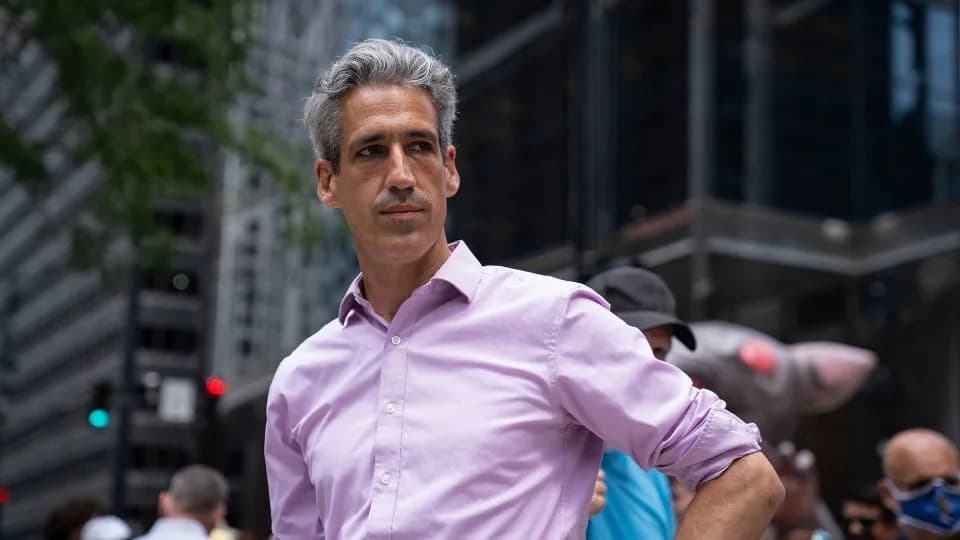
Daniel Biss, mayor of Evanston, Illinois, and Democratic candidate for the US House in Illinois' 9th Congressional District, attends an event at Federal Plaza in Chicago in August 2025. - E. Jason Wambsgans/Chicago Tribune/Tribune News Service/Getty Images
As Democratic primaries unfold across the country, the American Israel Public Affairs Committee (AIPAC) and allied super PACs have emerged as a defining issue — drawing criticism from progressives, concern from pro-Israel Democrats, and fresh scrutiny over the role of outside spending in intra-party contests.
In the Chicago suburbs, Evanston Mayor Daniel Biss is making that fight central to his campaign. Biss — the grandson of Holocaust survivors, who spent part of his youth in Israel and has family personally affected by last year’s violence — says AIPAC and affiliated donors have poured millions into the race because he represents a political challenge to their preferred agenda.
“It’s obvious that I care about the well‑being of the Jewish people and the problem of antisemitism,” Biss told CNN. “They can’t dismiss my positions that are for justice, for dignity and self‑determination for the Palestinian people as somehow illegitimate.” He argues his race matters because it tests whether candidates who call for a different approach to Israel policy can prevail.
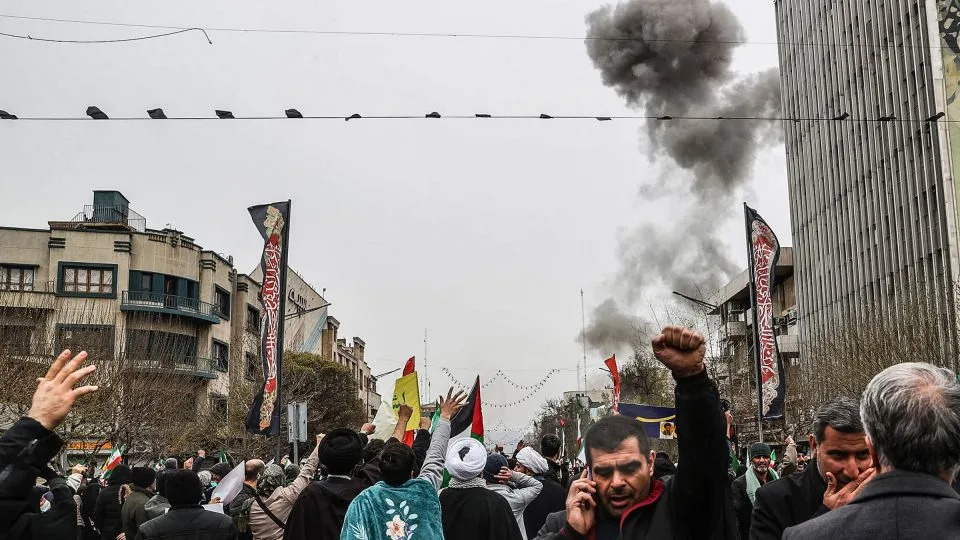
Black smoke rises following an airstrike, as Iranians take part in the Al-Quds Day rally in Tehran, Iran, on March 13. - Mohammad Mahdi Dehghani/Fars News Agency/AFP/Getty Images
Big Money, Local Races
Through at least three PACs, including the United Democracy Project, AIPAC‑linked spending was projected to exceed $20 million in Chicago‑area U.S. House contests ahead of recent primaries. In New Jersey, an AIPAC‑aligned super PAC spent roughly $2 million in the closing days of a special House primary — an ad blitz that critics say helped tip a narrow race.
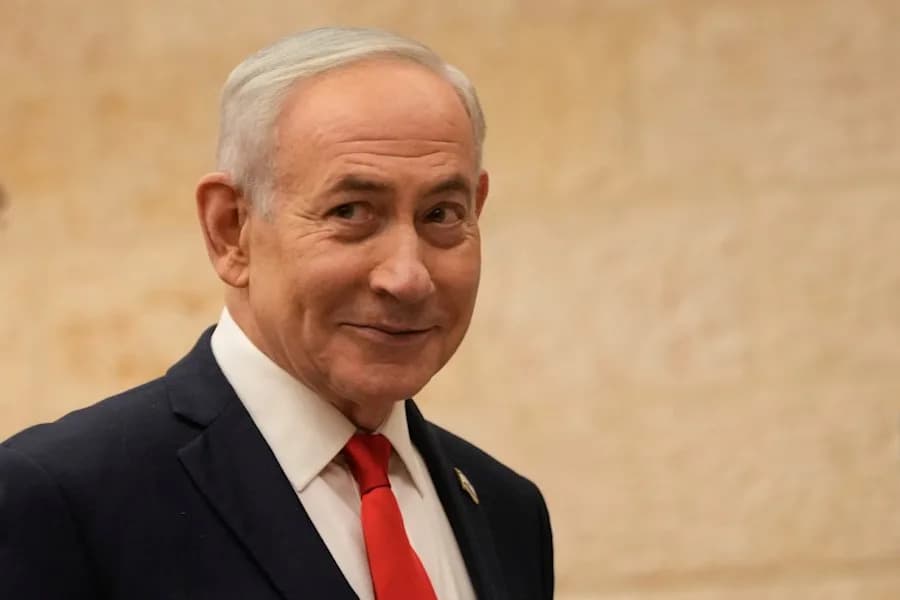
Those interventions — sometimes without explicit references to Israel — have sparked debates about the influence of outside groups and whether defense of a strong U.S.‑Israel relationship is being equated with unconditional support for the Netanyahu government.
Where Democrats Are Split
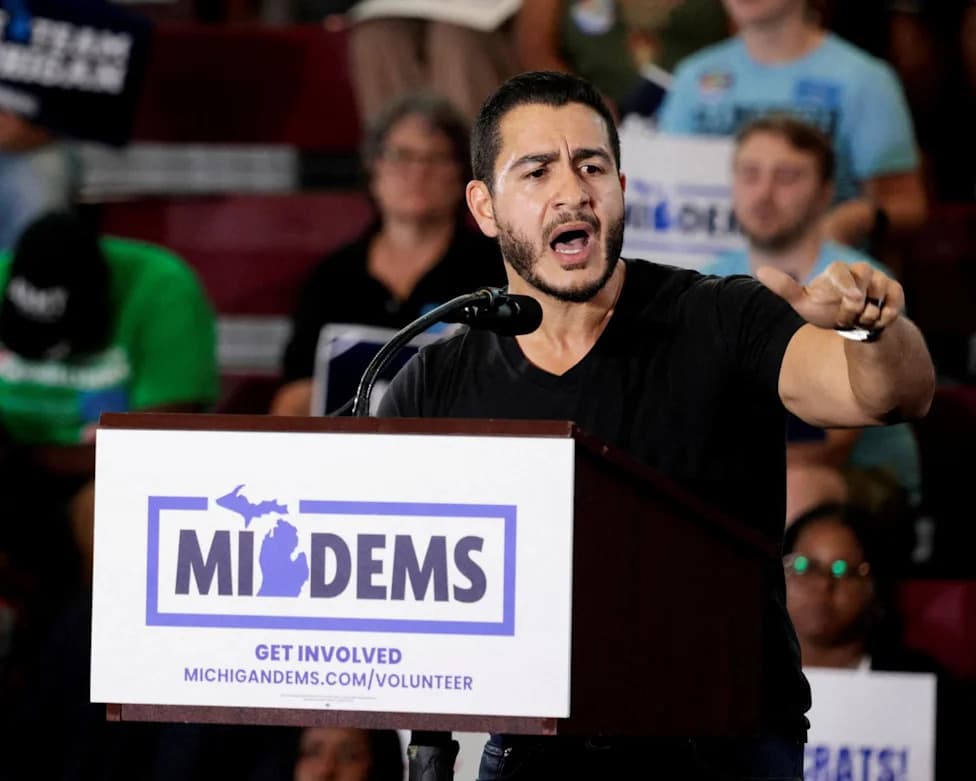
The controversy is fracturing the Democratic coalition. Progressives and many younger voters have increasingly highlighted connections between candidates and pro‑Israel donors as part of a broader push for accountability on human rights and foreign policy. Organizers and accounts such as "AIPAC Tracker" publicize past donations and make them a litmus test on the trail.
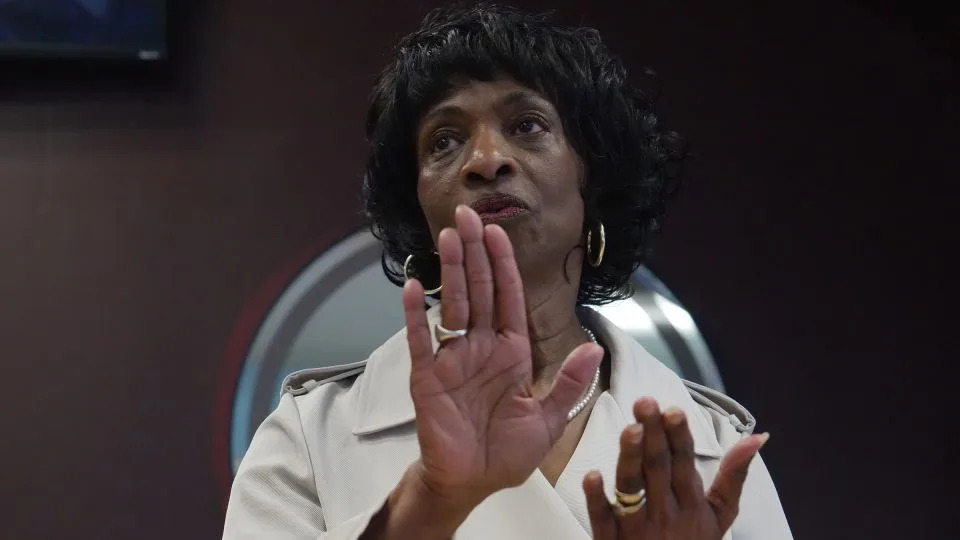
Rep. Valerie Foushee speaks with constituents in Durham, North Carolina, on March 1. - Allen G. Breed/AP
Meanwhile, many Democrats who have been staunch supporters of Israel say they feel blindsided by the shift. They worry that criticism of AIPAC will feed into antisemitic tropes that claim Jewish money secretly controls policy. Jewish members of Congress have reported online abuse, including messages that substitute the words "AIPAC" or "Zionist" for "Jew," or use explicit slurs.
"AIPAC historically had a position that there were friends and future friends," said Rep. Brad Schneider, a longtime AIPAC ally. "It appears that they got away from that thinking."
Some Democrats argue that AIPAC’s tactics — aggressive ad buys and categorical opposition to policy changes — have narrowed political space and made the organization a convenient target for those seeking to challenge established positions on Israel.
AIPAC’s Defense and Political Pushback
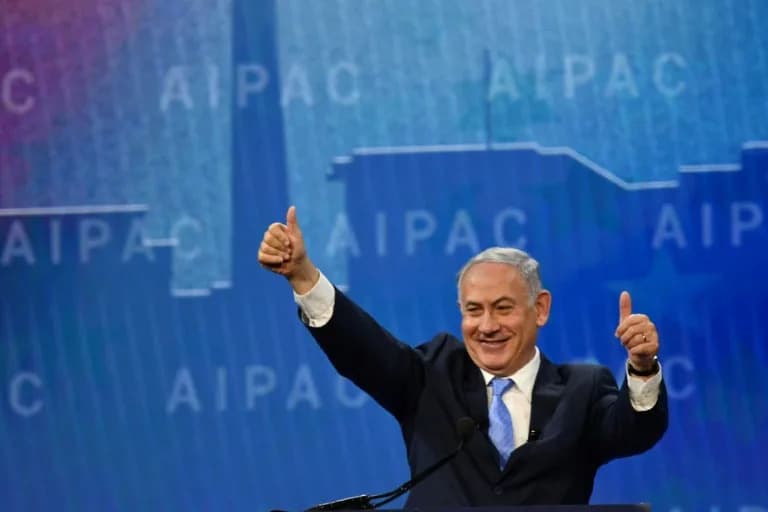
AIPAC rejects claims that it has become partisan or unduly deferential to Prime Minister Benjamin Netanyahu. Spokespeople say endorsements are based on support for a strong U.S.‑Israel relationship, backing security assistance without new added conditions, and preventing Iran from acquiring nuclear weapons. AIPAC also points to the success rate of its endorsed candidates as evidence of its electoral effectiveness.

Tom Malinowski enters his primary election night event in South Orange, New Jersey, on February 5. - Yannick Peterhans/NorthJersey.com/USA Today Network/Imagn
Still, some Democratic leaders have publicly shifted course. House Minority Leader Hakeem Jeffries accepted an endorsement from J Street — an organization more critical of Israeli government policy — and has privately raised concerns with AIPAC over its involvement in Democratic primaries.
Other lawmakers, including Sen. Ron Wyden, have proposed measures to strengthen monitoring of humanitarian aid into Gaza and to sanction officials who block delivery. According to Wyden and others, AIPAC opposed such initiatives when they might constrain Israeli government actions.
Broader Consequences
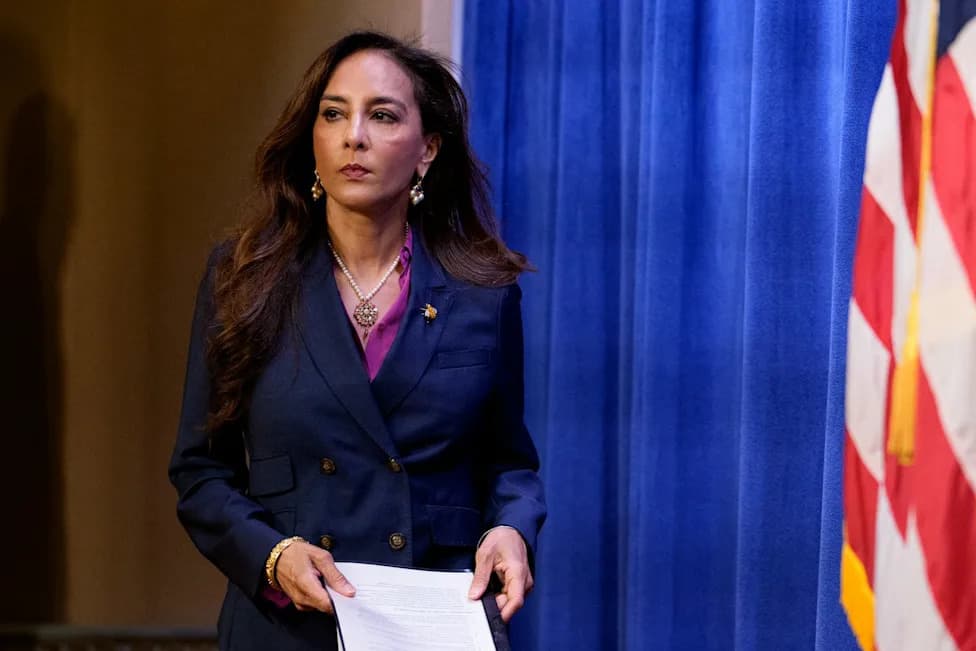
Observers caution that reducing complex policy debates to campaign ads and donor lists risks polarizing conversations and amplifying the worst abuses online. Michigan Attorney General Dana Nessel and other Jewish leaders have urged both parties to condemn antisemitism forcefully, arguing that political attacks on organizations can sometimes blur into or enable hate speech.
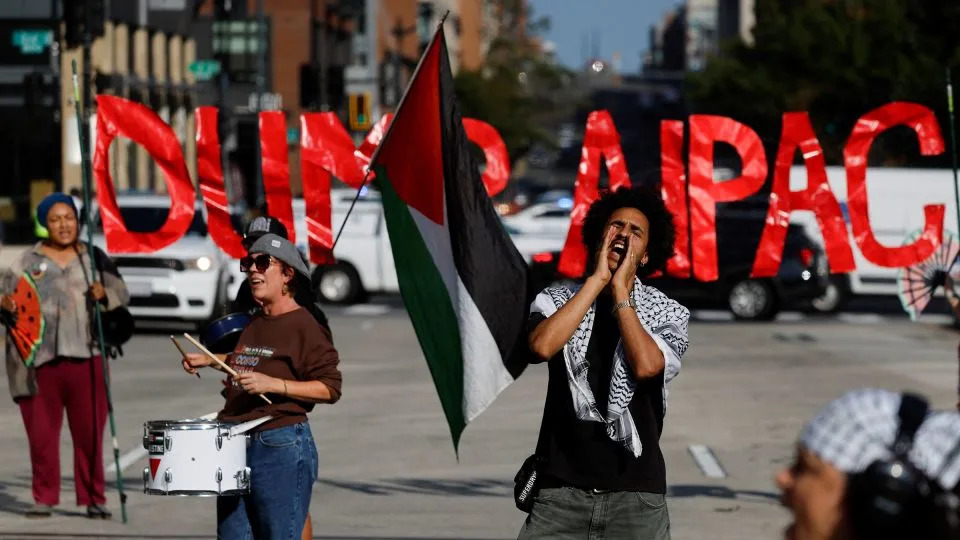
Demonstrators protest against the US backing of the Israeli military operation in Gaza, outside the office of the American Israel Public Affairs Committee in Washington, DC, in September 2025. - Daniel Becerril/Reuters
At the same time, progressive leaders such as Rep. Greg Casar and groups like the Sunrise Movement and the Democratic Socialists of America have made Israel policy and pro‑Israel funding a core organizing focus — arguing voters deserve transparency and moral clarity from candidates.
What’s Next
The fight over AIPAC’s role in Democratic primaries is likely to continue shaping candidate strategy, endorsements, and donor behavior. For many House hopefuls in competitive districts, navigating the tension between supporting a strong U.S.‑Israel relationship and responding to constituency concerns about Gaza and foreign policy has become unavoidable.
Whether parties, advocacy groups, and candidates can turn this moment into more substantive debate rather than a culture‑war wedge will determine how this controversy affects the broader Democratic coalition and U.S. foreign‑policy discourse.
Help us improve.