Overview: Retired Maj. Gen. William N. McCasland — a former head of the Air Force Research Laboratory at Wright‑Patterson AFB — is missing, a development that has revived longstanding public interest in the base and its association with Roswell‑era UFO claims. Wright‑Patterson is a major Pentagon research and intelligence hub dating to 1917 and has been linked in lore to alleged recovered materials from the 1947 Roswell incident. Recent declassified military videos, the 2004 Nimitz encounter and 2023 congressional testimony have pushed unidentified aerial phenomena (UAPs) into mainstream security debates, even as officials deny possession of extraterrestrial materials.
Missing Retired Maj. Gen. William McCasland Rekindles Wright‑Patterson UFO Lore — What We Know
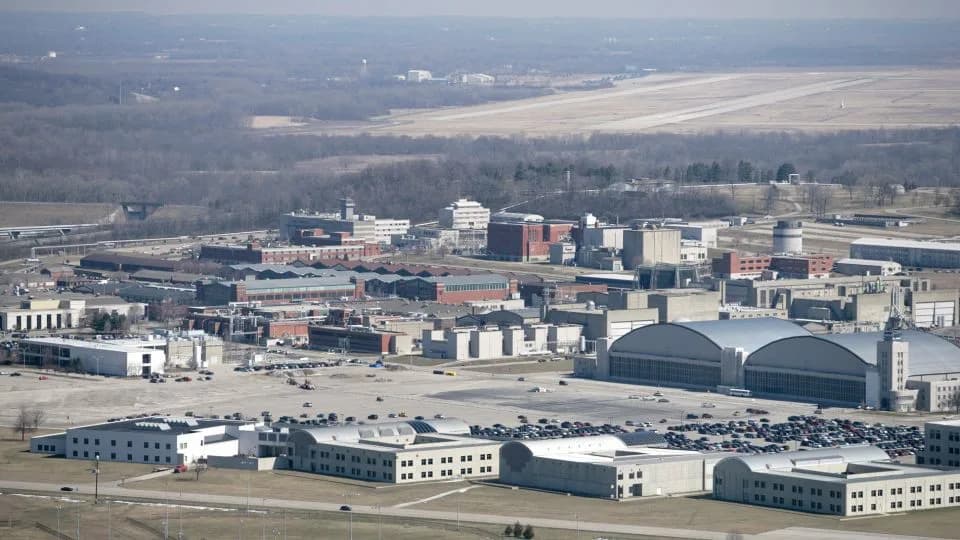
An aerial view shows Wright-Patterson Air Force Base near Dayton, Ohio, in this file photo taken on March 14, 2005. - Ty Greenlees/Dayton Daily News/AP
Retired Air Force Maj. Gen. William Neil McCasland — a former commander of the Air Force Research Laboratory at Wright‑Patterson Air Force Base — has been reported missing, a development that has once again drawn public attention to long‑running speculation about the Ohio installation and its alleged links to the 1947 Roswell incident.
Why Wright‑Patterson Matters
Wright‑Patterson AFB, established near Dayton in 1917, has been a central hub for U.S. military aviation research, engineering and technical intelligence for more than a century. The base hosts organizations such as the Air Force Research Laboratory and the National Air and Space Intelligence Center, placing it at the heart of Pentagon work on advanced aerospace technologies.
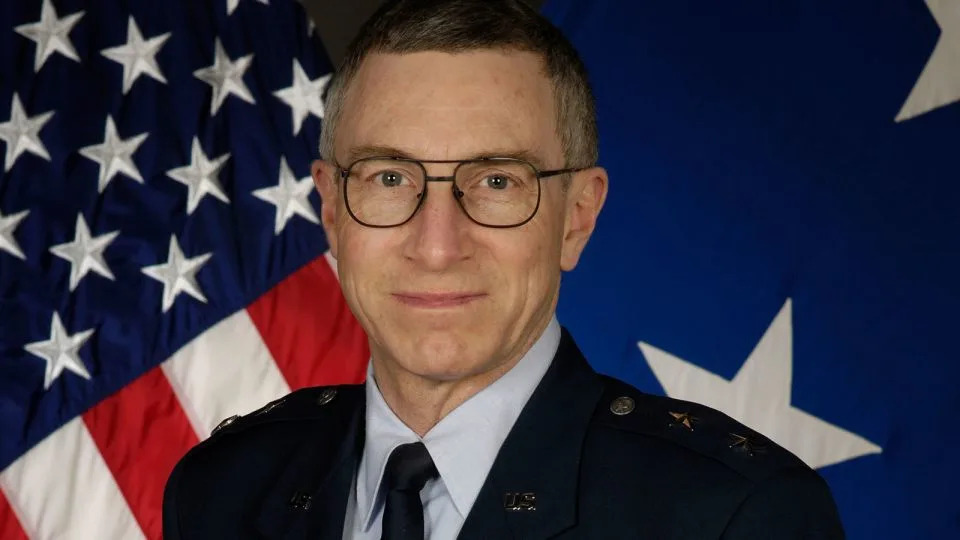
Retired Air Force Maj. Gen. William Neil McCasland is shown. - US Air Force
Because of that role, Wright‑Patterson has long featured in theories that wreckage or remains from the 1947 Roswell episode were transported there for analysis. Officials have repeatedly denied any possession of extraterrestrial materials, but those denials have not ended public speculation.
Roswell And The Origins Of The Lore
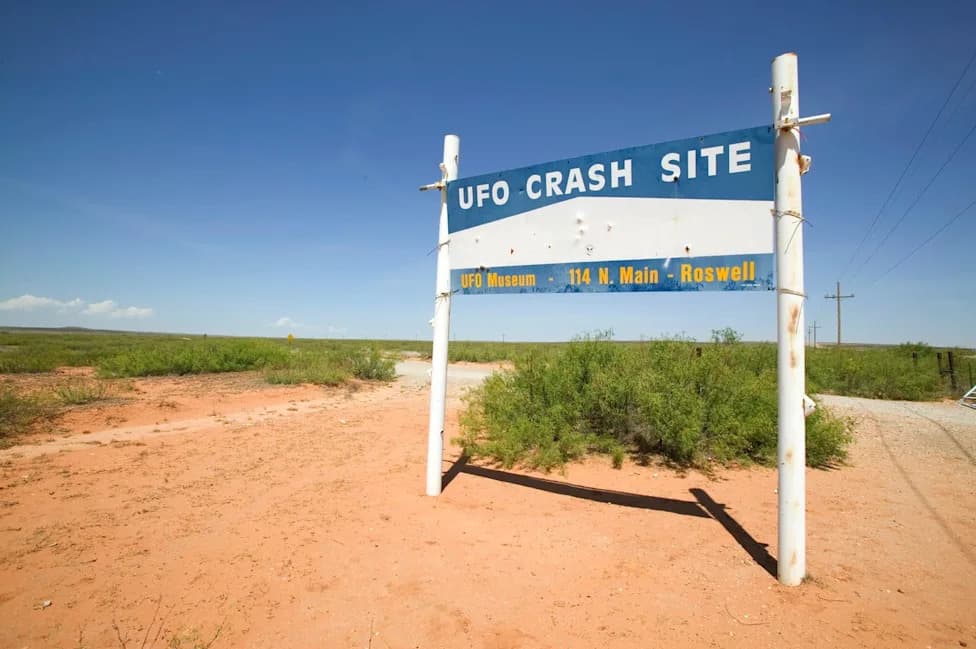
In July 1947, military officials initially reported recovering debris from a ranch near Roswell, New Mexico, only to later say the material was from a weather balloon. That reversal — and subsequent decades of witness accounts, including what some investigators call “deathbed confessions” — helped seed the enduring Roswell narrative: that something unknown crashed and that parts of it were taken to military facilities, possibly including Wright‑Patterson.
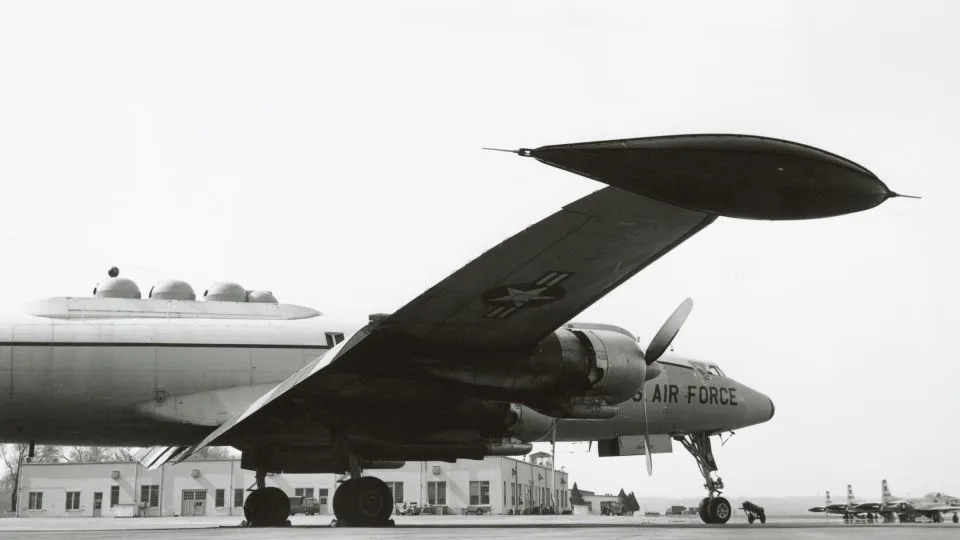
The Lockheed C-121 aircraft, assigned to the Directorate of Flight Test, at the Wright-Patterson Air Force Base in Ohio. Photo circa 1950s. - Bettmann Archive/Getty Images
“We are presently up to 30 deathbed confessions, all admissible in a court of law, attesting that it did happen,” said Donald Schmitt, lead investigator at the International UFO Museum and Research Center in Roswell. “With Roswell, you have the actual recovery of a craft, the remains, the wreckage and the crew.”
Recent Developments: Missing General And Public Interest
McCasland’s disappearance from his Albuquerque home has revived public curiosity about Wright‑Patterson and its past work. While investigators have said there is currently no public evidence linking his disappearance to UAP research, the convergence of a high‑profile missing person case and the base’s long‑standing association with UFO lore has amplified scrutiny and online speculation.
Experts caution against drawing firm conclusions. Luis Elizondo, a former Department of Defense intelligence officer who advocates for greater transparency on unidentified aerial phenomena (UAPs), expressed hope McCasland will be found safe and warned against premature assumptions.
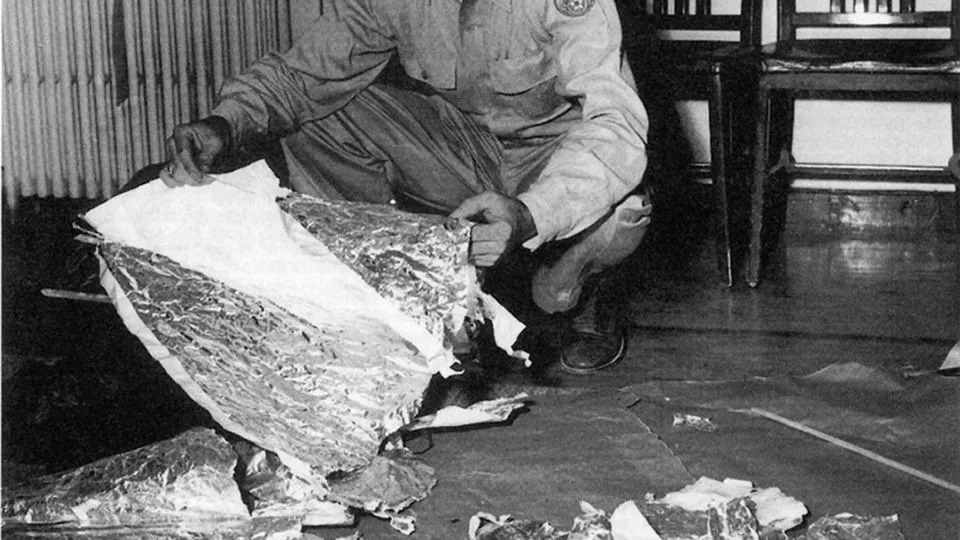
Jesse Marcel, head intelligence officer who investigated and recovered some of the debris from the Roswell UFO site, poses with debris on July 8, 1947. - Universal History Archive/Universal Images Group/Getty Images
UAPs In The Open: Videos, Incidents And Congress
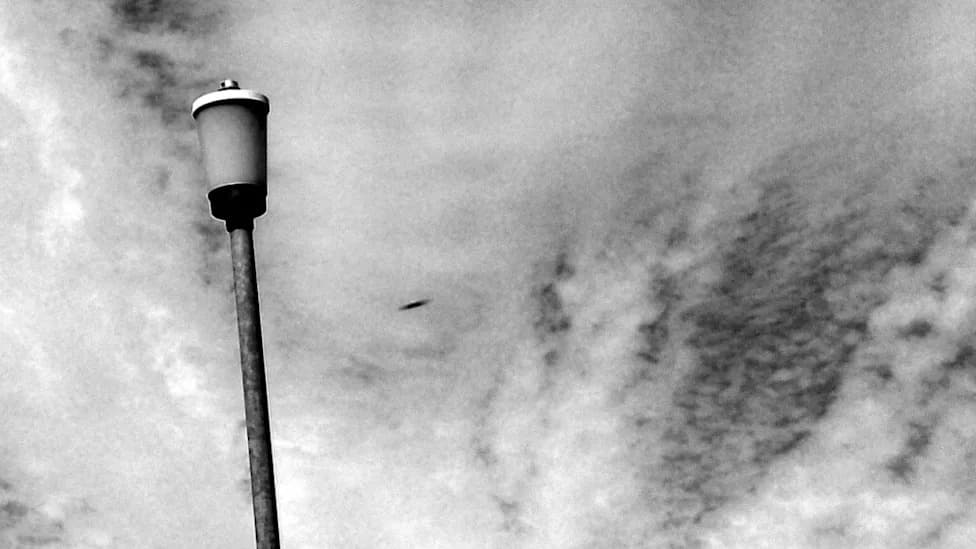
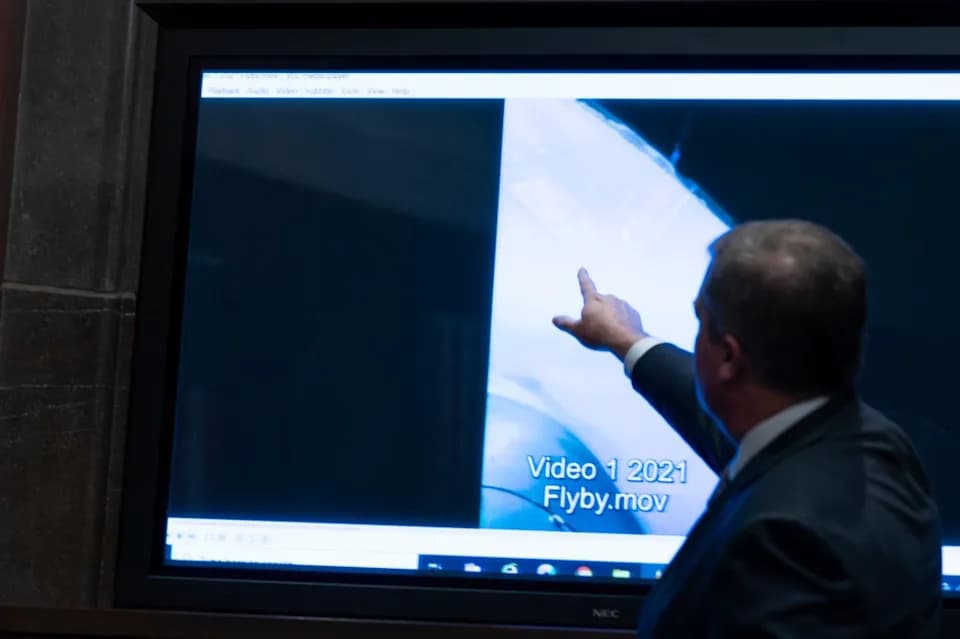
Interest in UAPs has risen in recent years, fueled by declassified military videos showing objects with unusual motion characteristics and by incidents such as the 2004 USS Nimitz encounter, where Navy aviators reported abrupt, high‑speed maneuvers by an object dubbed the “Tic Tac.” In 2020 the Pentagon released short infrared videos of UAP encounters that drew widespread attention.
UAPs have also reached Congress. In 2023, three retired military personnel testified at a House hearing, describing encounters and alleging excessive secrecy. Former Air Force intelligence officer David Grusch told lawmakers he had been told the government possessed UAP materials and alleged concealment, though he acknowledged he had not personally viewed the materials he discussed.
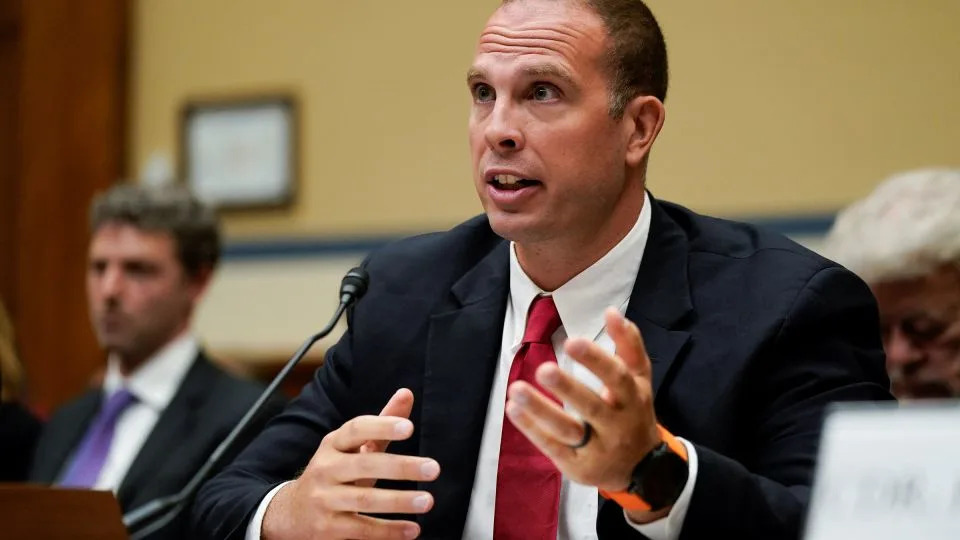
David Grusch, former National Reconnaissance Office representative on the Defense Department's Unidentified Aerial Phenomena Task Force, testifies during a hearing at the US Capitol Hill in Washington on July 26, 2023. - Elizabeth Franz/Reuters
Official Response And Ongoing Investigations
The Department of Defense has emphasized that there is no verified evidence of extraterrestrial technology in its custody. The All‑domain Anomaly Resolution Office (AARO) was created to collect and analyze UAP reports across air, sea and space and is working with federal agencies to consolidate records and improve reporting. Transparency advocates argue the process remains slow and that released records are often heavily redacted.
Context And Caution
Wright‑Patterson’s significance stems from its legitimate, well‑documented role in advanced aerospace research and technical intelligence. That history makes it a natural focal point for speculation when events — such as a missing former commander — capture public attention.
Reporting on these topics brings together verified facts (McCasland’s career and the base’s mission), historical events (the Roswell reversal and Project Blue Book), credible military testimony and unverified claims (deathbed confessions and allegations of recovered non‑human remains). Responsible coverage distinguishes between documented evidence and speculation and clearly attributes allegations to their sources.
What’s next: Investigations into McCasland’s disappearance are ongoing. Meanwhile, UAP research and oversight continue to evolve at the Pentagon and in Congress, keeping the questions about unexplained aerial phenomena in the public conversation.
Help us improve.