German and colleagues used an ice-free vitrification protocol and controlled rewarming to preserve structural and functional markers in mouse brain tissue after deep freezing. Electrophysiology and mitochondrial assays showed near-normal neuronal responses in 350‑micrometre hippocampal slices, including preserved long-term potentiation. The team scaled the method to whole mouse brains vitrified for up to eight days, but whole-brain success rates were lower and cryoprotectant toxicity and tissue shrinkage remain challenges. Preliminary human cortical samples show viability, but scaling to large organs requires major technical advances.
Scientists Restore Neural Activity in Cryopreserved Mouse Brains Using Vitrification
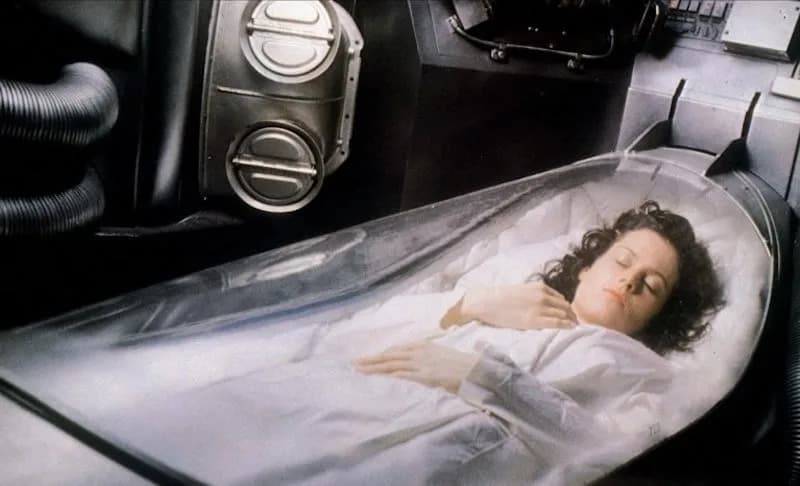
A ‘cryosleep pod’ in the 1979 science-fiction film Alien.(20TH CENTURY FOX via AJ Pics/Alamy)
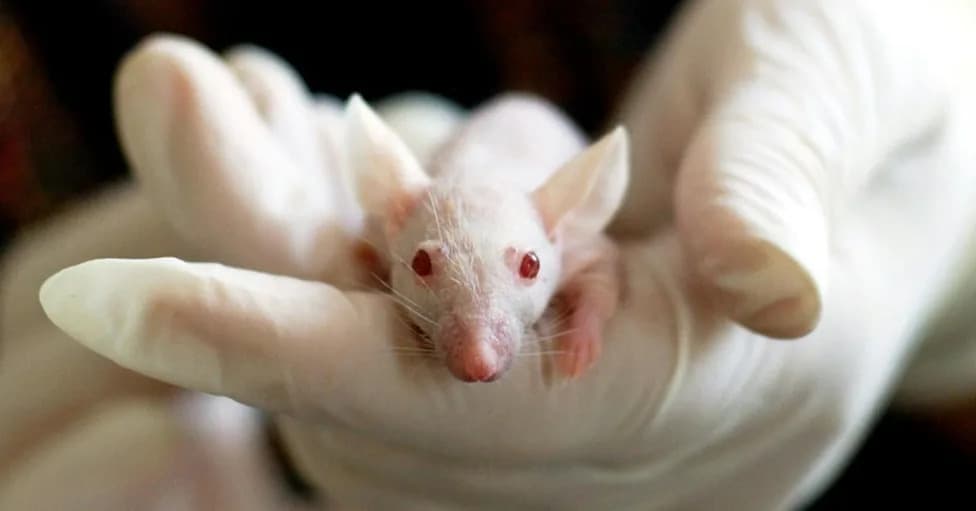
Science-fiction staples imagine people frozen in time and later revived with memories and faculties intact. In reality, recovering coordinated brain function after deep freezing has been elusive because ice formation and cryoprotectant toxicity damage the brain's delicate nanostructure. A team in Germany now reports a vitrification-based protocol that preserves structural and functional signs of life in mouse brain tissue after deep freezing and careful rewarming.
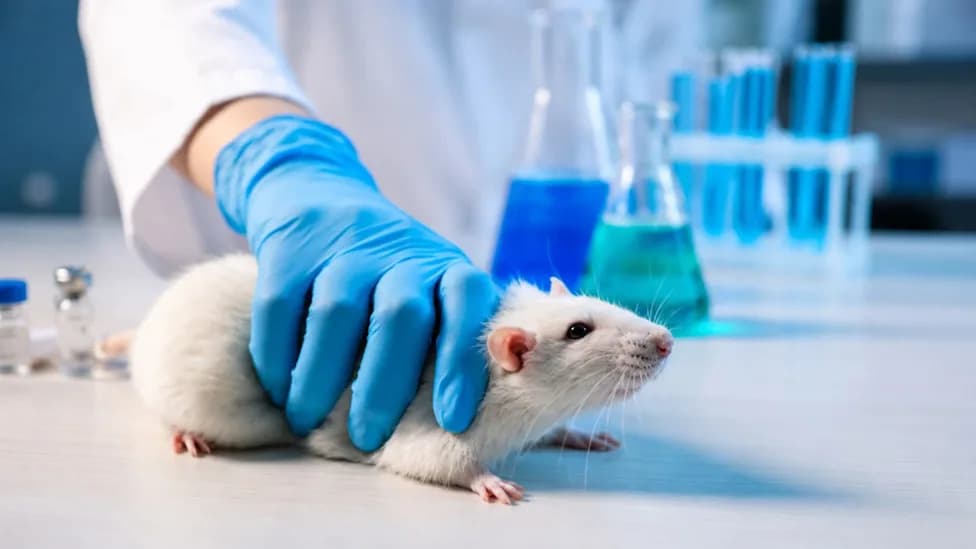
The study, published 3 March in the Proceedings of the National Academy of Sciences, was led by neurologist Alexander German of the University of Erlangen–Nuremberg. The researchers combined ice-free vitrification with optimized rewarming steps to limit ice-crystal formation, osmotic stress and cryoprotectant toxicity.
"If brain function is an emergent property of its physical structure, how can we recover it from complete shutdown?" — Alexander German
Methods
The team first tested 350-micrometre-thick (≈350 μm) mouse hippocampal brain slices. Slices were equilibrated with cryoprotectant solutions, plunged into liquid nitrogen (−196 °C) and stored in a glass-like state at about −150 °C for intervals between ten minutes and seven days. After controlled rewarming in tempered solutions, tissue was assessed by microscopy, mitochondrial assays and electrophysiological recordings.
Key Results
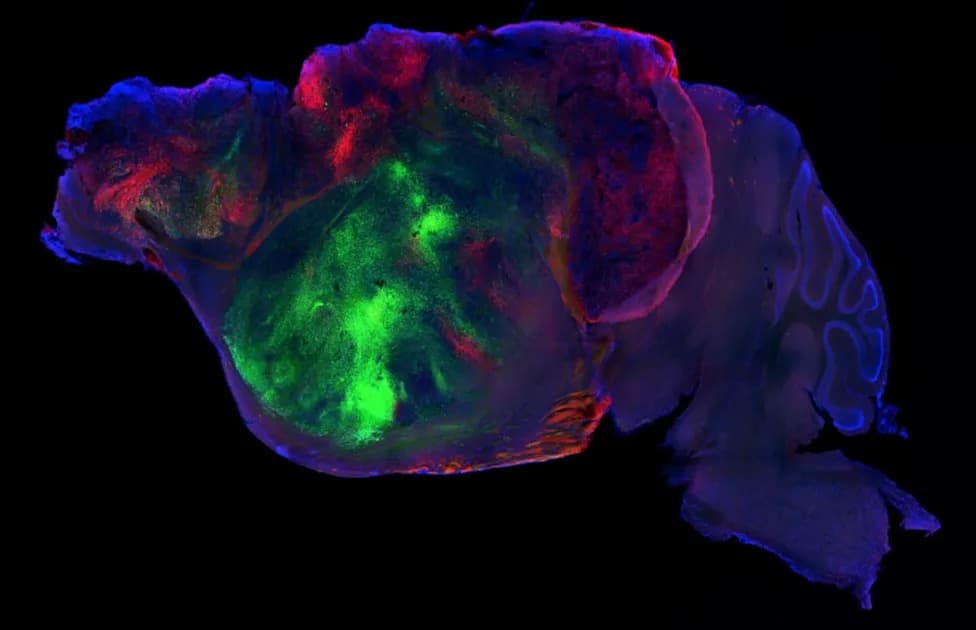
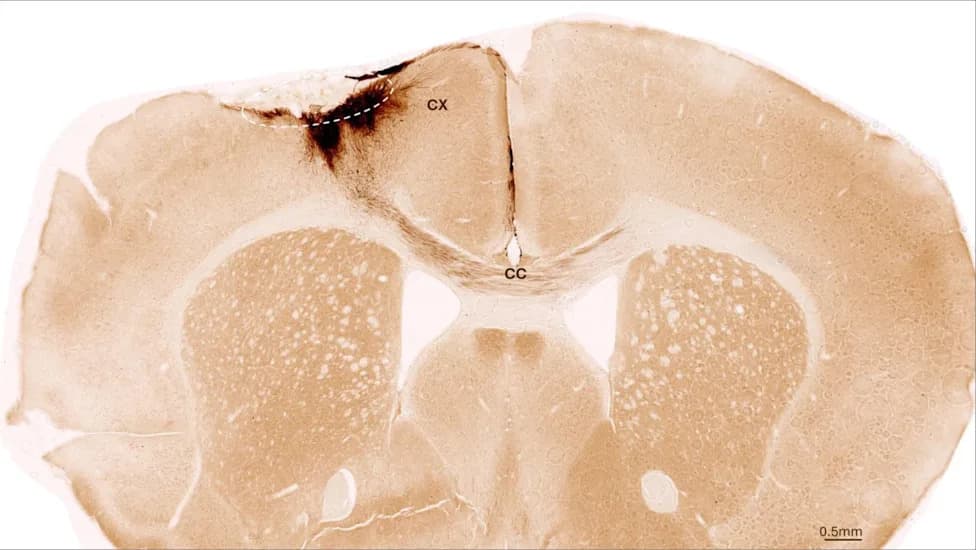
Microscopy showed neuronal and synaptic membranes largely intact after rewarming, and mitochondrial assays revealed no obvious metabolic collapse. Electrophysiological recordings demonstrated that neurons responded to electrical stimulation with only moderate deviations from control cells. Critically, hippocampal circuits retained the capacity for synaptic strengthening — long-term potentiation (LTP) — a cellular correlate of learning and memory, although recordings were necessarily limited to a few hours because brain slices degrade ex vivo.
The researchers then scaled the protocol to whole mouse brains, maintaining samples vitrified at approximately −140 °C for up to eight days. Whole-brain vitrification required iterative adjustments to reduce tissue shrinkage and to limit cryoprotectant toxicity. When rewarmed and sectioned, slices from some whole brains again showed surviving hippocampal pathways capable of LTP, but overall success rates were lower than for thin slices.
Limitations and Challenges
Important caveats remain. All functional measurements came from tissue slices rather than intact, revived animals, so whether subjective memories survive cryopreservation was not and cannot be determined from these experiments. Whole-brain success was limited and the protocol produced signs of shrinkage and chemical toxicity in some samples. Scaling to larger organs or whole mammals presents additional hurdles — notably slower and nonuniform heat transfer, higher thermo-mechanical stresses that can cause cracking, and the need for safer, less toxic cryoprotectant solutions and improved rewarming technologies.
Next Steps
German and colleagues report preliminary viability data for human cortical tissue and are exploring whether vitrification can be adapted for whole-organ banking, including the heart. Independent experts, including Mrityunjay Kothari of the University of New Hampshire, note that while the findings are a meaningful advance, practical applications such as long-term banking of large organs or whole-body cryopreservation remain far from realization.
The study marks an important proof of principle: under tightly controlled conditions, some cellular and circuit-level functions can survive deep vitrification and rewarming. But substantial technical, biological and ethical challenges must be addressed before the approach can be translated to clinical organ preservation or other practical uses.
Help us improve.