The week was dominated by an escalating Iran conflict and its political ripple effects in Washington. Mojtaba Khamenei urged revenge and signaled use of the Strait of Hormuz, which could push oil prices higher and increase pressure on U.S. leaders. Senator Lindsey Graham has pushed for a more aggressive U.S. posture, while President Trump has applied leverage over Senate Republicans to pass the SAVE Act. The Senate passed the bipartisan 21st Century ROAD to Housing Act 89–10, but a controversial restriction on institutional homebuying sparked sharp debate.
Iran Escalation and Republican Turmoil: Oil, Filibusters and a Controversial Housing Bill

Photo illustration by Slate. Photos by Hamid Nadimi/Wikipedia and Ahmad Al-Rubaye/AFP via Getty Images.
The dominant story this week remains the war with Iran, an escalating conflict whose goals and trajectory remain hard to define. In Washington, Congress is consumed by a fight over the SAVE Act and President Trump’s demands, while the Texas Senate runoff and a bipartisan housing package have added domestic political strain.
Mojtaba Khamenei’s First Message
The most notable development from Tehran was the first public message from Mojtaba Khamenei, the new supreme leader and son of the late Ali Khamenei. U.S. officials report he was injured in the same attack that killed several family members. In his remarks he called for “revenge,” urged opening “other fronts” where opponents are vulnerable, and insisted the “lever of closing the Strait of Hormuz must continue to be used.” Such rhetoric raises the risk of higher oil prices and puts additional political pressure on Washington.
"The Iron Law of TACO"
The newsletter’s phrase “the iron law of TACO” summarizes a simple strategic bet: higher oil prices will create domestic pressure in the United States to change course. The White House has tried to calm markets; Republican incumbents facing re-election worry about gasoline spikes. Those economic and human costs — plus strained munitions stocks — increase incentives for a political resolution, though the timing and form of any de-escalation remain uncertain.
Lindsey Graham’s Role
Senator Lindsey Graham of South Carolina has been a central force pressing the administration toward a more aggressive posture. During congressional recesses he travelled across the Middle East, met regional leaders and intelligence officials, advised Israeli and Gulf partners, and frequently appeared on Fox News. He has advocated deeper Gulf involvement, proposed a mutual defense arrangement with Saudi Arabia, and publicly urged strikes against additional regional targets. Should intervention widen or sour, Graham is a clear potential scapegoat.
Trump, The SAVE Act, And Texas Politics
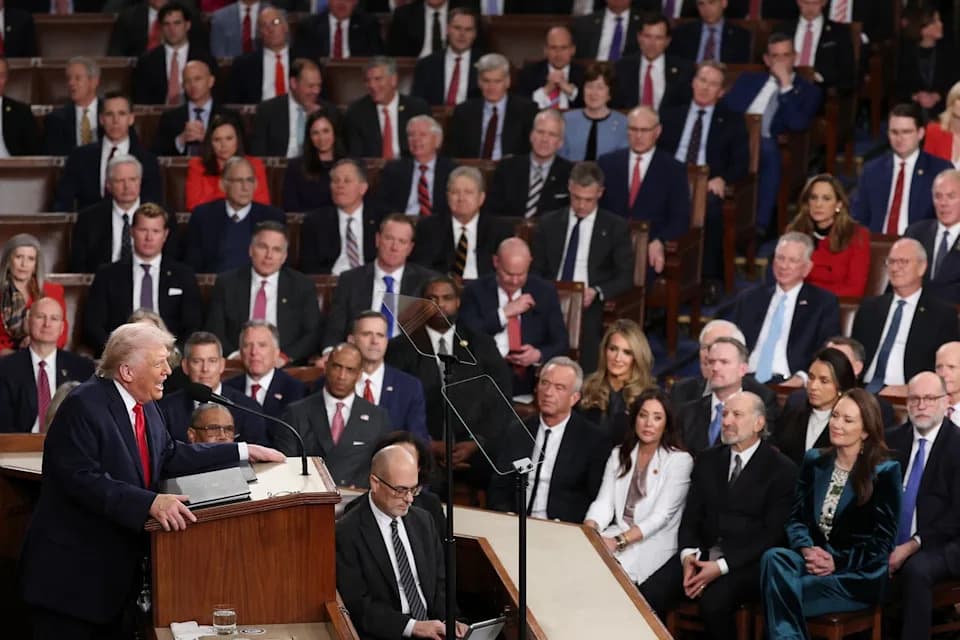
Back home, President Trump is using leverage in multiple ways. He has withheld an endorsement in the Texas Senate GOP runoff between incumbent John Cornyn and Attorney General Ken Paxton, and is pressing Senate GOP leadership to pass the SAVE Act — a national voter-ID and verification package. Trump has also demanded the measure be broadened to include bans on most mail-in ballots and other conservative priorities.
Senator John Cornyn surprised many by saying he now supports abolishing the filibuster to clear the way for the SAVE Act, calling it an “evolution” in his thinking. Senate Republican leader John Thune — who insists there aren’t 50 GOP votes to sustain prolonged floor obstruction — appears poised to use a staged floor debate to expose the lack of votes and defuse the crisis.
21st Century ROAD To Housing Act
The Senate did pass a broadly bipartisan housing package, the 21st Century ROAD to Housing Act, by a vote of 89–10. The bill includes dozens of provisions aimed at increasing supply and modernizing housing rules. But one provision generated a fierce debate: a restriction on large institutional investors (including private equity) buying single-family homes. The bill exempts large "build-to-rent" developers but requires them to sell homes they build to individual buyers within seven years — language critics say will discourage build-to-rent projects and therefore reduce housing production, undermining the bill’s intent.
Senator Brian Schatz was the only Democrat to vote against the bill, calling the build-to-rent language so problematic that he assumed it was a drafting error. Senator Elizabeth Warren defended the provision as deliberate and bipartisan. The House, which has its own housing bill, is unlikely to accept the Senate text unchanged, so negotiations will continue.
GOP Messaging And The Doral Retreat
At a Republican retreat in Doral, Florida, White House deputy chief of staff James Blair reportedly urged House Republicans to avoid emphasizing “mass deportations” and instead focus messaging on removing violent criminals — a shift aimed at protecting swing voters. That guidance is notable because “Mass Deportations” originated as a high-profile slogan in the 2024 Trump campaign rather than as a House-driven talking point.
Light-Hearted Note
Amid serious news, a lighter anecdote emerged: The Wall Street Journal reported that President Trump is fond of Florsheim dress shoes and has gifted matching pairs to some Cabinet members. According to the report, he guesses shoe sizes in meetings, orders pairs to the White House, and leaves little notes with the gifts — a reminder that even tense weeks produce small, human moments.
What To Watch Next
- Whether Iran’s threats materialize into actions that disrupt oil transit through the Strait of Hormuz.
- If the SAVE Act becomes the vehicle for broader conservative policy priorities and whether Senate GOP unity holds.
- How the House and Senate reconcile competing housing bills, particularly the build-to-rent language.
Help us improve.