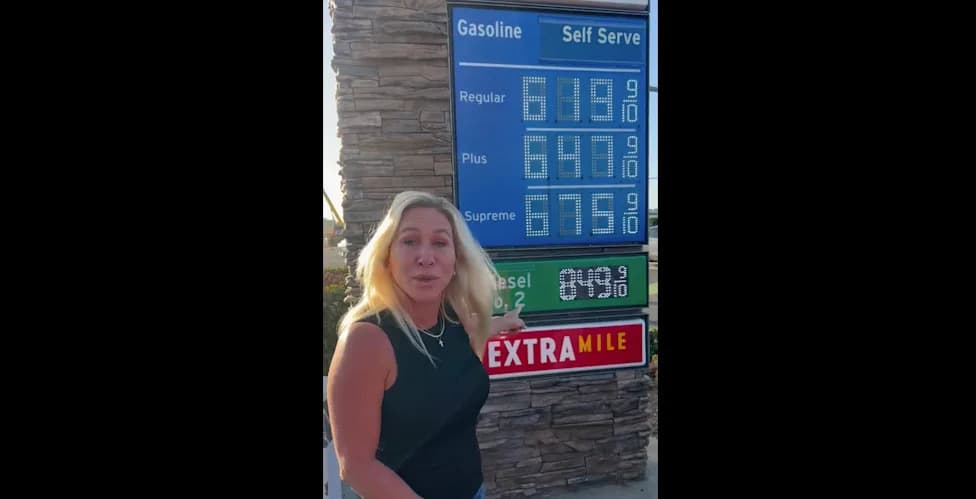
Gov. Gavin Newsom blamed federal actions and the Iran war for a sudden California gas-price spike — a 12% weekly rise to about $5.20 per gallon. Critics and some Democrats counter that state policies, refinery idlings (Phillips 66 in Los Angeles, Valero in Benicia) and efforts to cap refiner profits have also tightened supply. California’s shift toward importing more gasoline since 2015 ties prices to global markets, complicating the political fallout as Newsom eyes higher office.
Newsom Blames Trump For Gas Price Spike — But California Policy, Refinery Closures Also Play a Major Role
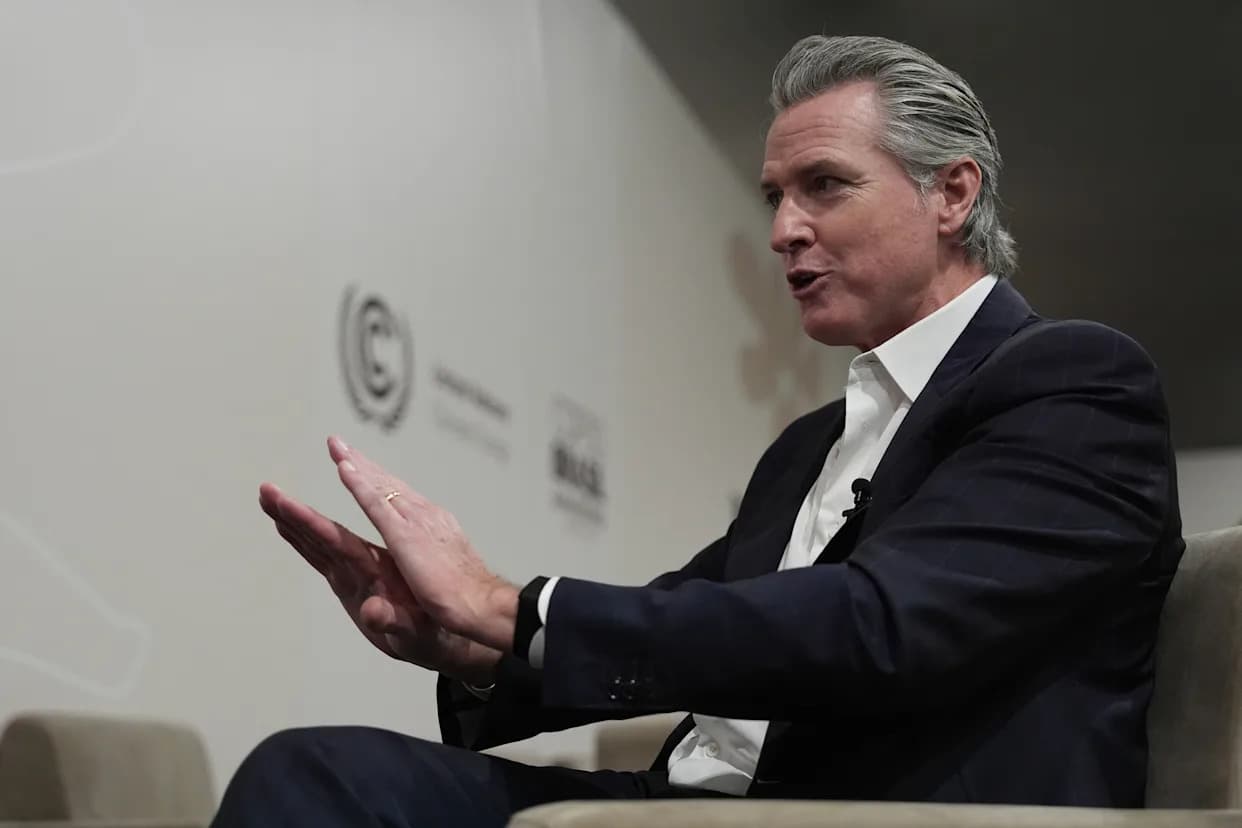
Gov. Gavin Newsom has publicly blamed the Trump administration and the war in Iran for a recent, sharp rise in California gasoline prices. The governor’s comments came as state prices spiked roughly 12% in a week to an average of $5.20 per gallon — about $0.57 higher than Washington state, the nation’s second-costliest market.
Federal Fallout And Political Sparring
Two days after the first U.S. strikes in Iran, Newsom told reporters,
“Look at your cost at the pump the last few days: That was an act of the Trump administration.”He later called former President Trump a "con man with no plan" after Trump said oil prices would fall quickly once the "Iran nuclear threat is over."
The White House pushed back. Taylor Rogers, a White House spokesperson, countered by blaming state policy for California’s high pump prices while saying the administration had an energy plan to stabilize markets.
State Policies, Refineries And Supply
Newsom’s criticisms of the federal response fit a broader Democratic effort to hold national leaders accountable for the economic fallout of geopolitical conflict. But inside California, the situation is more complicated: the governor has long backed environmental and regulatory measures that affect the state’s oil and gasoline sector even as major refineries have idled or moved toward reduced operations.
Among the significant developments: Phillips 66 filed a closure notice for its Los Angeles refinery in March 2024, and Valero filed a notice for its Benicia refinery in April 2025 before announcing an idling plan that began ramping down operations. Those moves have reduced in-state refining capacity and increased California’s reliance on imports.
What The State Has Done
The Newsom administration has taken multiple steps to respond: it convened special legislative sessions in 2023 and 2024 to address refinery economics and market stability, pushed laws requiring one-year notice of refinery closures, and assigned Siva Gunda, vice chair of the California Energy Commission (CEC), to negotiate with refinery executives. The CEC also voted to delay a proposed refinery profit cap for five years, a concession welcomed by industry.
Behind the scenes, state officials met repeatedly with company leaders. Officials and lawmakers explored incentive packages to keep refineries operating, but proposed legislative funding did not materialize in time to prevent at least temporary idling.
Imports, Market Risk And Politics
California has imported more gasoline than it exports since about 2015, tying retail pump prices to international crude and product markets. That exposure means global events — including conflicts in the Middle East — can translate quickly into price swings at the pump.
Industry analysts warn that fewer domestic refineries raise the risk that any unexpected disruption (a fire, a mechanical failure or further idlings) could cause outsized price spikes. Labor and trades groups also caution that policies encouraging more imports could threaten in-state jobs.
Political Stakes
For Newsom, who is widely viewed as a potential 2028 presidential contender, the gasoline issue is politically sensitive. Critics argue his regulatory agenda and the outcomes of special sessions have contributed to higher costs; supporters say the state has used new tools to plan for and mitigate supply disruptions.
As one Democratic strategist put it, the core question for voters will be whether the governor’s explanations and remedies are credible — or whether fuel costs become a lasting vulnerability.
Help us improve.