Illinois Gov. J.B. Pritzker condemned the Federal Reserve's recent interest-rate hike, calling it a consequence of "Trump's war of choice" and warning it will raise consumer costs from credit cards to auto loans. He also blamed the Iran conflict for adding an estimated $107 billion to U.S. gasoline and diesel expenses. The Fed move drew criticism from former Trump aide Peter Navarro and a dismissive response from Iran's parliament speaker, while Gov. Gavin Newsom sparred with the Trump administration and Energy Secretary Chris Wright over responsibility for rising fuel prices.
Pritzker Blasts Fed Rate Hike, Says Iran Conflict Added $107 Billion To U.S. Fuel Costs
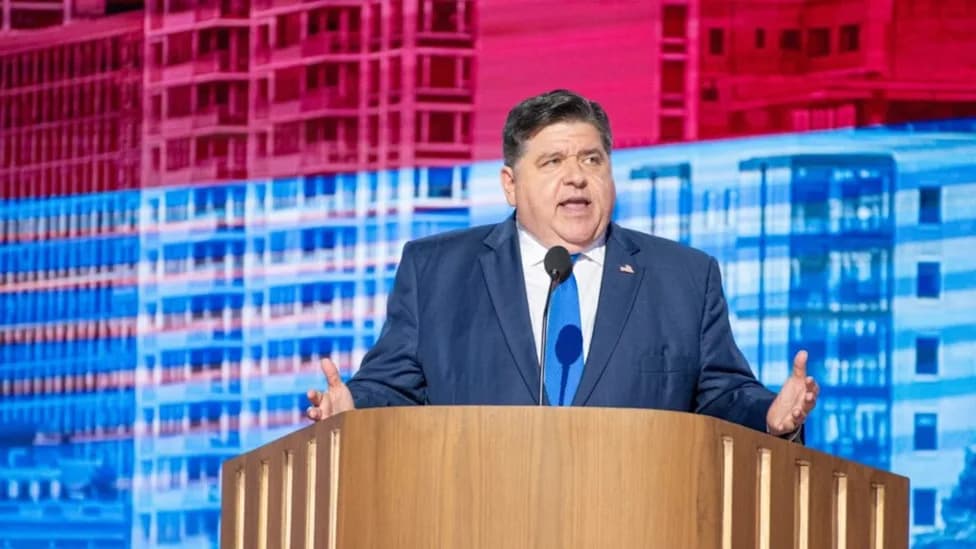
Illinois Governor JB Pritzker at the Democratic National Convention Chicago, United Center DNC 2024 (Credit: Illinois Governor JB Pritzker at the Democratic National Convention Chicago, United Center DNC 2024 | Photo courtesy: Shutterstock)
Illinois Governor J.B. Pritzker sharply criticized the Federal Reserve's recent decision to raise its target interest-rate range, saying the move will translate into higher costs for ordinary Americans and blaming the rise in part on what he called "Trump's war of choice." Pritzker warned that higher rates will increase costs from credit-card balances to auto loans, with working families ultimately bearing the burden.
“This rate hike is yet another result of Trump's war of choice, which keeps making everything more expensive. His economy is a catastrophic failure. Now, prices for everything from credit card bills to new car loans just went up, and working people will have to foot the bill.” — J.B. Pritzker, X (Sept. 16, 2026)
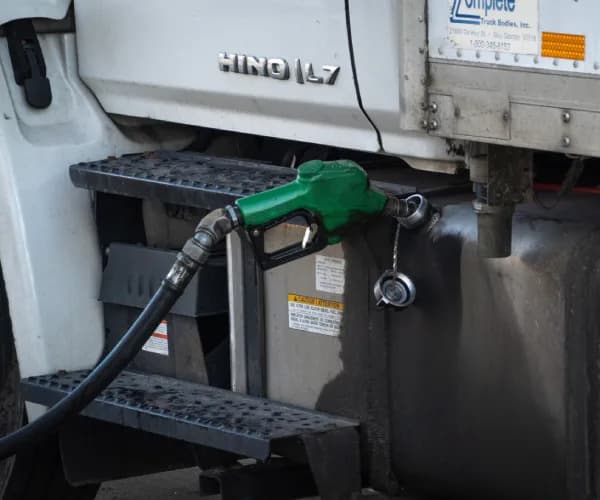
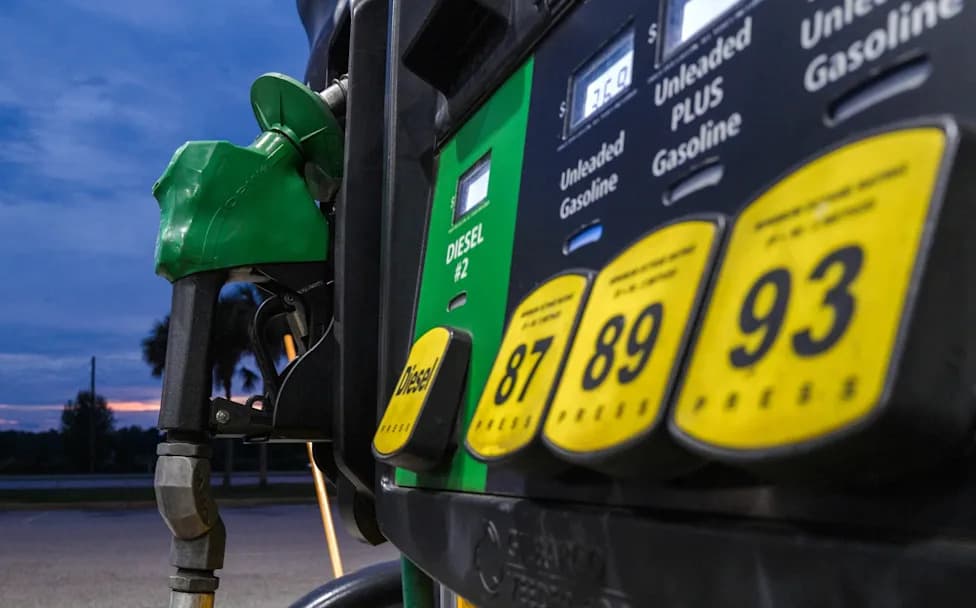
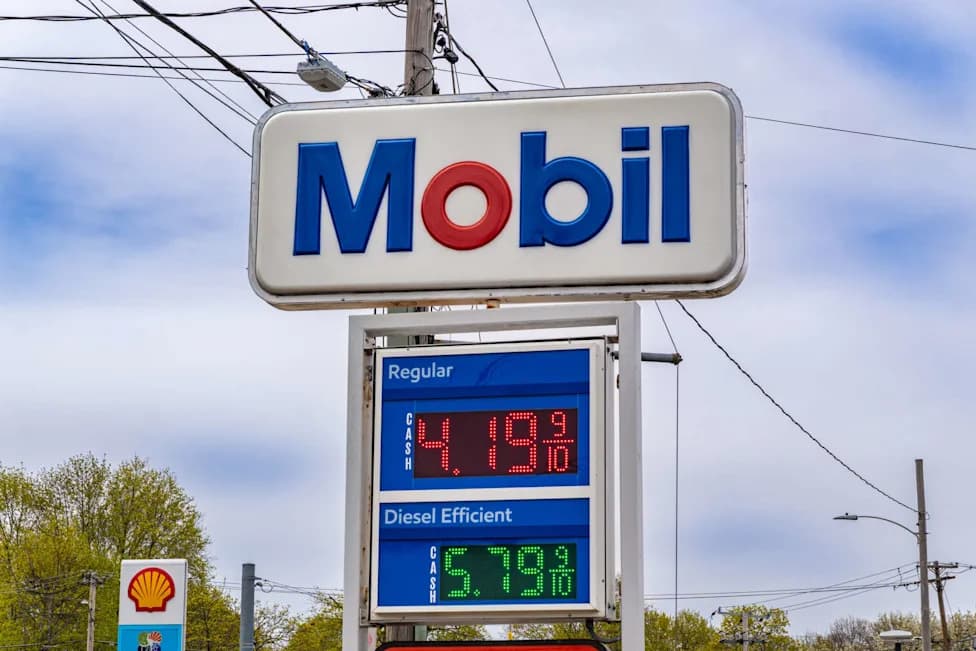
In a separate post, Pritzker singled out rising fuel prices and attributed a $107 billion increase in U.S. gasoline and diesel costs to the conflict with Iran. He framed the spike as evidence that promises to lower prices have gone unfulfilled.
“Donald Trump said he'd lower prices on day one. Now, his Iran war has cost Americans $107,000,000,000 more on gas and diesel alone. Promises made. Promises broken.” — J.B. Pritzker, X (Sept. 16, 2026)
Political Reactions
The Fed's decision and Pritzker's comments prompted swift responses across the political spectrum. Peter Navarro, a former trade adviser to President Trump, criticized Fed Chair Kevin Warsh for raising rates amid energy-market uncertainty, warning such moves could further weigh on the economy. Meanwhile, the speaker of Iran's parliament mocked the rate increase, arguing it would do little to offset inflation driven by instability around the Strait of Hormuz.
California Governor Gavin Newsom publicly rebuked the Trump administration and Energy Secretary Chris Wright over surging fuel prices, saying federal officials were unfairly scapegoating California. Wright had earlier accused the state of importing oil from Iraq in a way he claimed raised national-security concerns.
What This Means For Consumers
Economists note that when the central bank raises interest rates, borrowing costs across the economy tend to rise — affecting credit cards, mortgages, and auto loans. At the same time, disruptions or geopolitical tensions in major shipping routes or energy-producing regions can push fuel prices higher, compounding inflationary pressure. The debate between elected officials underscores the political contest over who is responsible for rising costs and how best to respond.
This discussion ties monetary policy to geopolitical events and highlights how political rhetoric, energy-market volatility, and central-bank actions can combine to affect household budgets.
Help us improve.