Germany and Norway announced a strategic partnership to boost European space autonomy during Chancellor Friedrich Merz’s visit to Andøya Spaceport. They will form a working group of government and industry representatives to draft concrete project proposals, timetables and explore links to EU and NATO frameworks. The announcement highlights Germany’s industrial base and Norway’s technology and strategic location, and comes as Isar Aerospace prepares Spectrum rocket tests at Andøya, which has hosted over 700 research launches since 1962.
Germany and Norway Forge Strategic Partnership to Boost Europe’s Space Autonomy

Germany's Chancellor Friedrich Merz waits for questions from journalists at the Andoya Space Visitor Center during a joint press conference with Norwegian Prime Minister Store. Soeren Stache/dpa
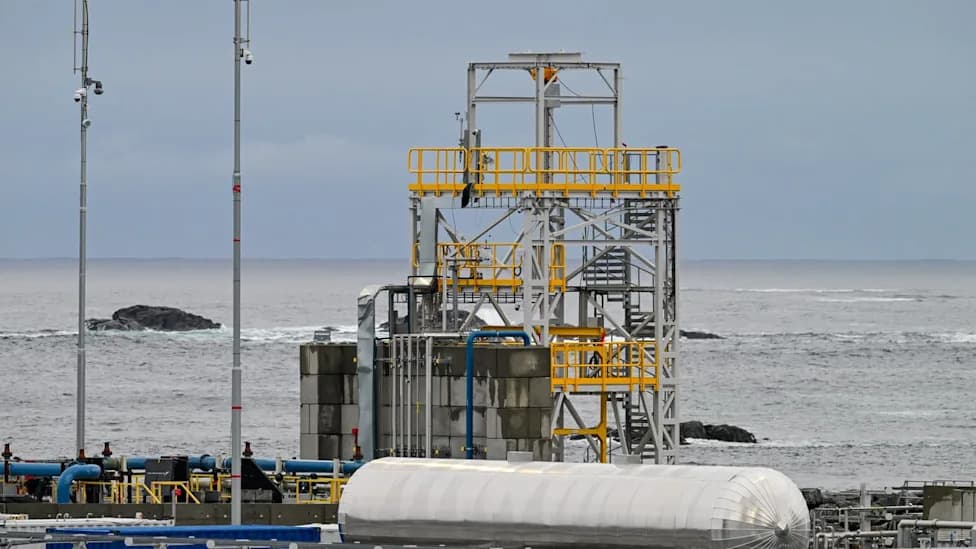
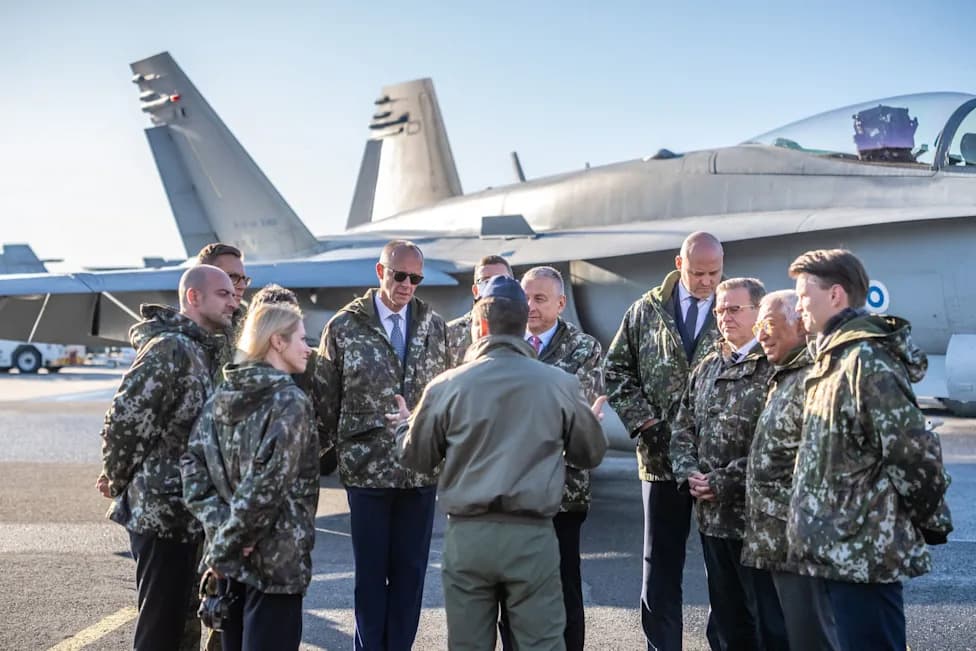
Germany and Norway announced a strengthened strategic partnership to accelerate European space autonomy during German Chancellor Friedrich Merz's visit to Andøya Spaceport in northern Norway.
Strategic Working Group To Drive Concrete Projects
The two governments said they will form a strategic working group made up of government and industry representatives to identify concrete cooperative projects, set timetables and explore links to EU and NATO frameworks. Norwegian Prime Minister Jonas Gahr Støre said the group will deliver proposals for specific projects with clear deadlines and coordination options.
Complementary Strengths
Støre emphasised how the countries complement each other: Germany brings a broad industrial base and manufacturing expertise, while Norway offers specialised technology, established research programmes and a strategically valuable geographic location for polar and high-latitude launches.
“We have relied on other launch systems and other nations in the world for far too long,” Merz said. “Now is Europe’s moment.”
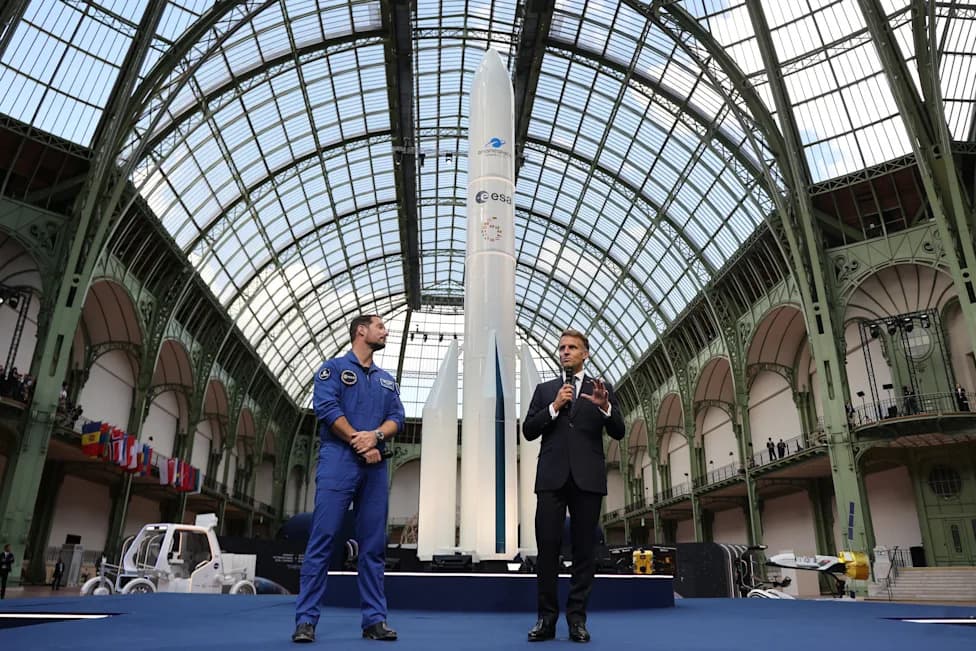
The visit included a tour of Andøya Spaceport, about 300 kilometres north of the Arctic Circle. Andøya has launched more than 700 research rockets and balloons since 1962. In the coming days, the Spectrum rocket, developed by the German start-up Isar Aerospace to place small satellites into low Earth orbit (LEO), is scheduled for testing at the facility.
The partnership aims to reduce Europe’s dependence on non-European launch providers, speed up access to LEO for small satellites, and strengthen industrial collaboration across the continent. The working group is expected to outline practical steps, timelines and potential funding or regulatory links with EU and NATO instruments.
What to watch next: the working group’s project proposals and timetables, announcements about EU/NATO coordination, and the outcome of the Spectrum test campaign at Andøya.
Help us improve.