Prime Minister Justin Trudeau announced a C$35 billion plan to strengthen Canada’s Arctic defenses and reduce reliance on the United States. The package directs C$32 billion toward expanding northern airfields and building four operational support hubs, plus upgrades to two commercial airports and two roads. Ottawa cited strained U.S. ties and rapid Arctic warming—almost three times the global average—as key drivers. The moves build on a 2022 C$38.6 billion modernization plan and emphasize both sovereignty and improved logistics.
Canada Unveils C$35B Plan to Fortify Arctic Defenses and Reduce Reliance on U.S.
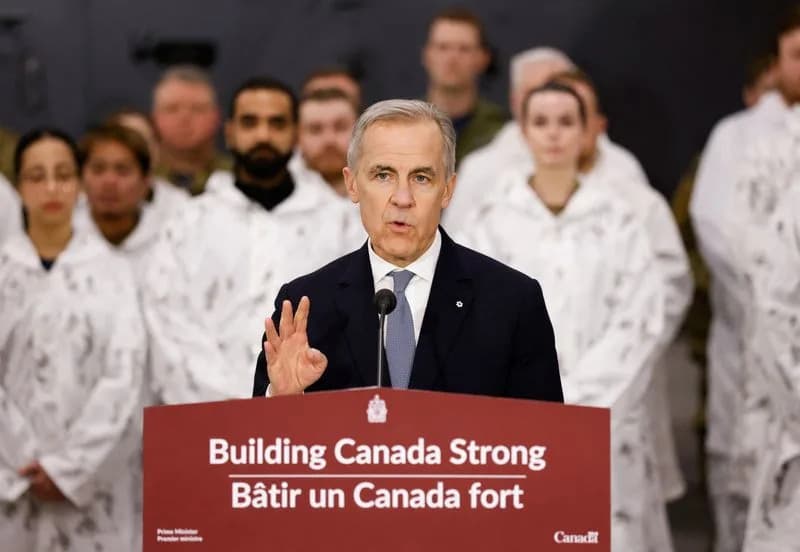
Canada's Prime Minister Mark Carney speaks, as members of the Canadian Armed Forces stand behind him, during his visit to the Royal Canadian Air Force (RCAF) 440 Transport Squadron, in Yellowknife, Northwest Territories, Canada, March 12, 2026. REUTERS/Carlos Osorio
Prime Minister Justin Trudeau announced a C$35 billion (about $25.7 billion) initiative to strengthen Canada’s military posture in the Arctic, aiming to reduce dependence on U.S. support for northern monitoring and deterrence.
Why It Matters
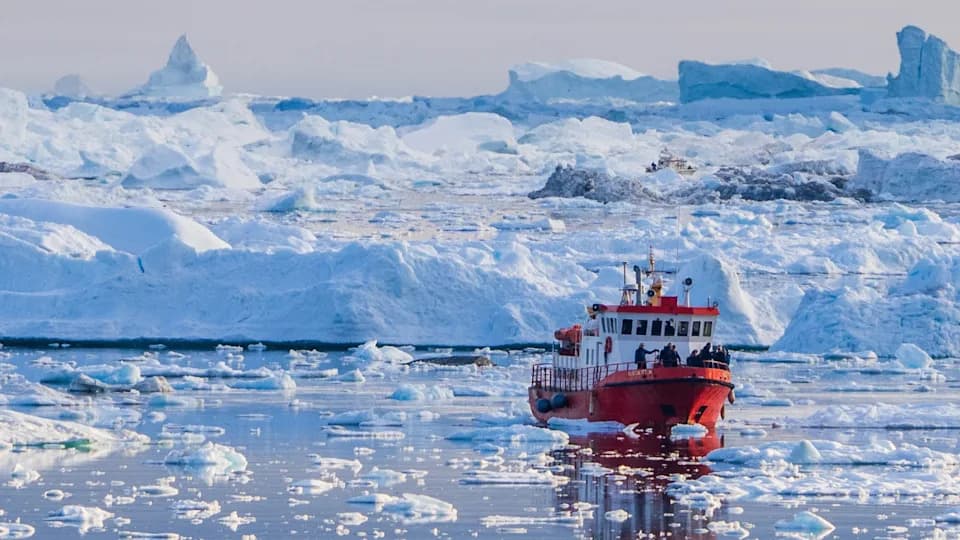
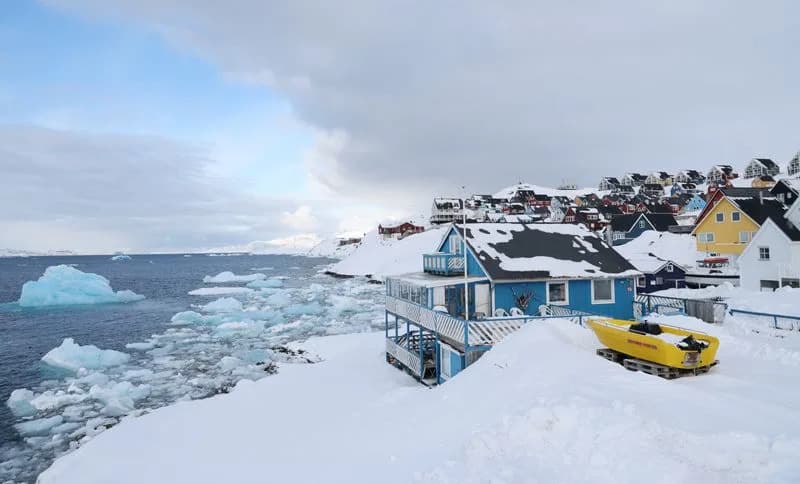
The Canadian Arctic covers roughly 4.4 million square kilometres (1.7 million square miles) of land and sea—larger than India—and is strategically important as melting ice opens access to resources and shipping routes. Ottawa says changing geopolitics and rapid regional warming make a stronger, more independent Canadian presence essential.
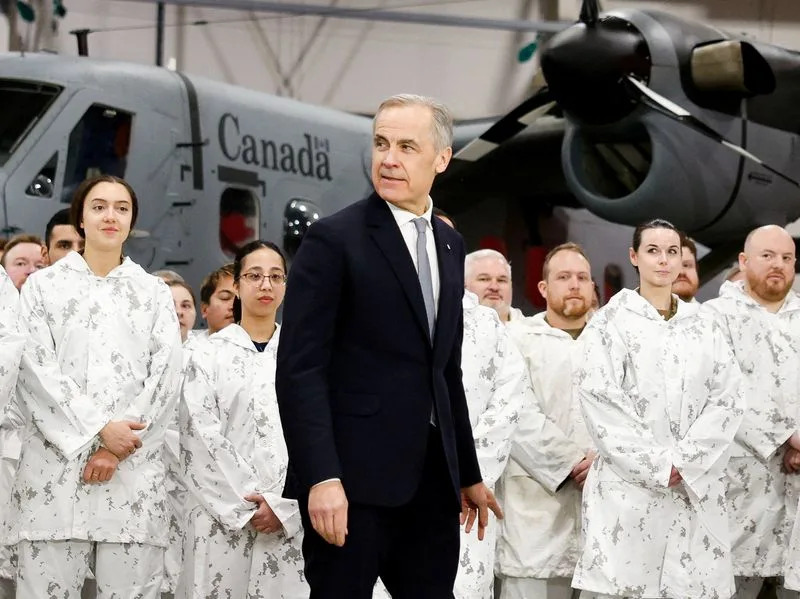
Canada's Prime Minister Mark Carney walks in front of members of the Canadian Armed Forces during his visit to the Royal Canadian Air Force (RCAF) 440 Transport Squadron, in Yellowknife, Northwest Territories, Canada, March 12, 2026. REUTERS/Carlos Osorio
What the Plan Includes
The package lays out how previously announced Arctic funding will be spent and adds new priorities:
- C$32 billion to expand northern military airfields and build four operational support hubs to improve response times and logistics.
- Upgrades to two commercial airports to support military and civilian access.
- Fast-tracking two proposed roads to better connect remote Arctic communities and facilitate movement of personnel and supplies to southern Canada.
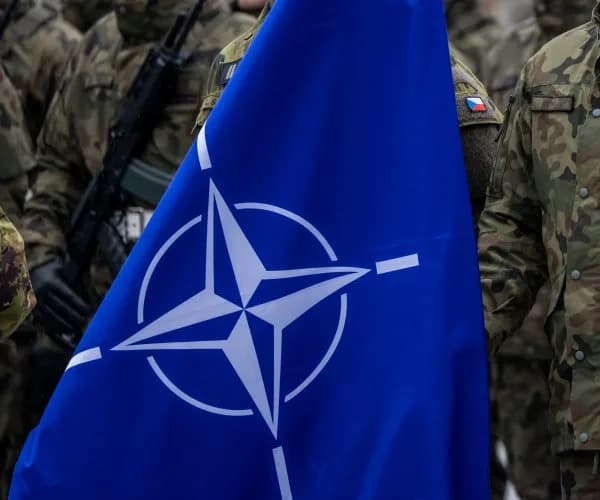
- Ongoing cooperation with NORAD and NATO, while pursuing greater Canadian self-reliance in the North.
“We will no longer depend on any one nation, and instead build a stronger, more independent country. With this new plan, Canada is taking full responsibility for defending our Arctic sovereignty,” Trudeau said in Yellowknife, the capital of the Northwest Territories and home to Canada’s Arctic military command.
Context
Ottawa says recent strains in relations with the United States—over tariffs and contentious comments about Canadian territory and Arctic interests—reinforced the case for a more independent northern defense posture. Canada had already announced a C$38.6 billion plan in 2022 to modernize its forces and support the joint North American Aerospace Defense Command (NORAD).
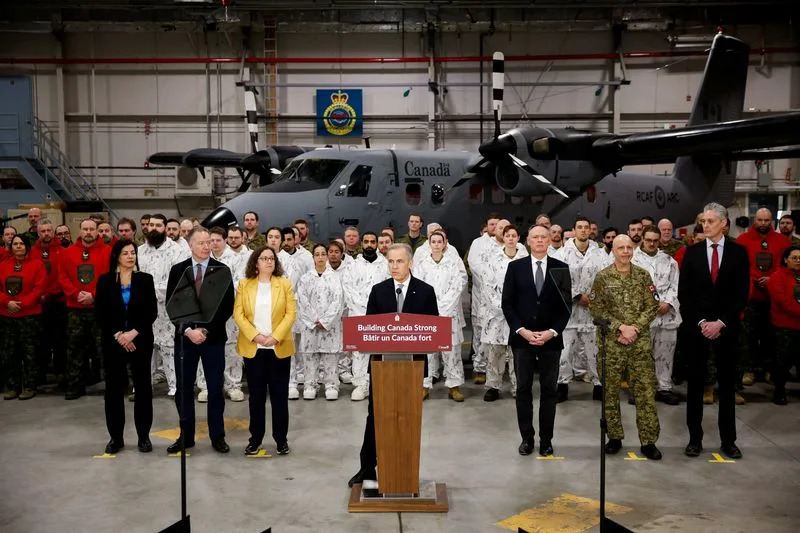
Canada's Prime Minister Mark Carney speaks, as members of the Canadian Armed Forces stand behind him, during his visit to the Royal Canadian Air Force (RCAF) 440 Transport Squadron, in Yellowknife, Northwest Territories, Canada, March 12, 2026. REUTERS/Carlos Osorio
Today, Canada operates four basic Arctic airfields capable of handling about six fighter jets each and stations roughly 2,000 military personnel across the region. The new investments aim to expand capacity, improve sustainment and enhance sovereignty patrols.
Climate and Economic Drivers
Trudeau highlighted climate change as a central security concern: Canada’s Arctic is warming nearly three times faster than the global average, increasing geopolitical interest from other major powers as the region’s mineral resources become more accessible. However, the Arctic remains infrastructure-poor and environmentally challenging, making development and mining complex and costly.
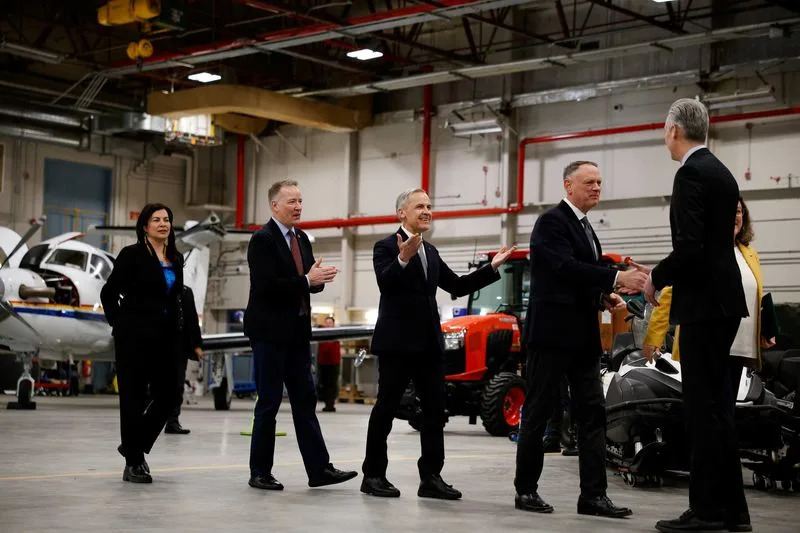
Canada's Prime Minister Mark Carney arrives to visit 440 Transport Squadron, in Yellowknife, Northwest Territories, Canada, March 12, 2026. REUTERS/Carlos Osorio
Trudeau was scheduled to travel later on to northern Norway to observe NATO exercises, underscoring Ottawa’s continued engagement with allies even as it seeks greater self-reliance in the North.
Reporting by Maria Cheng; Writing by David Ljunggren; Editing by Caroline Stauffer and Edmund Klamann. Exchange rate used: $1 = 1.3620 Canadian dollars.
Help us improve.