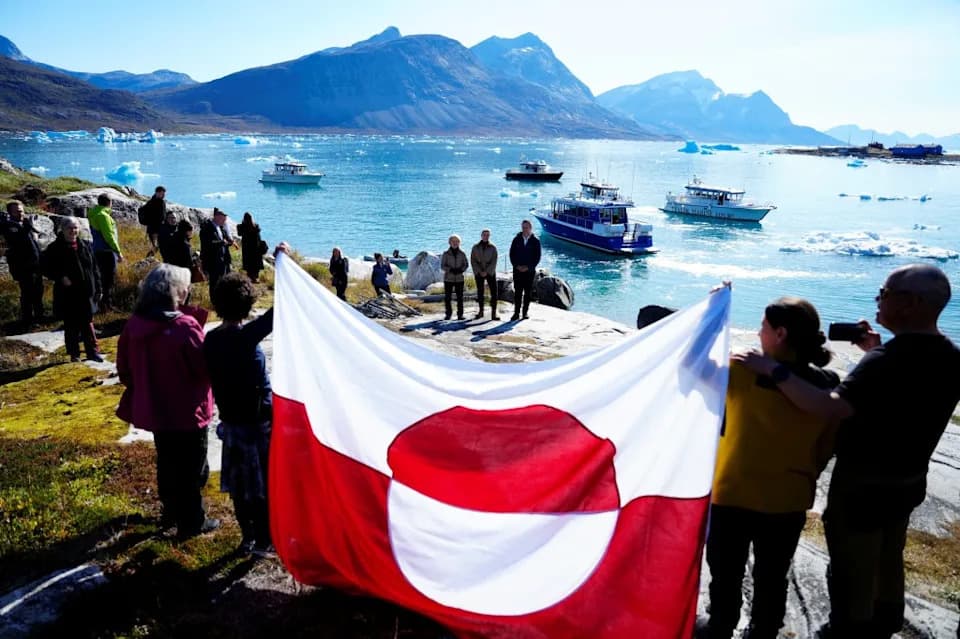
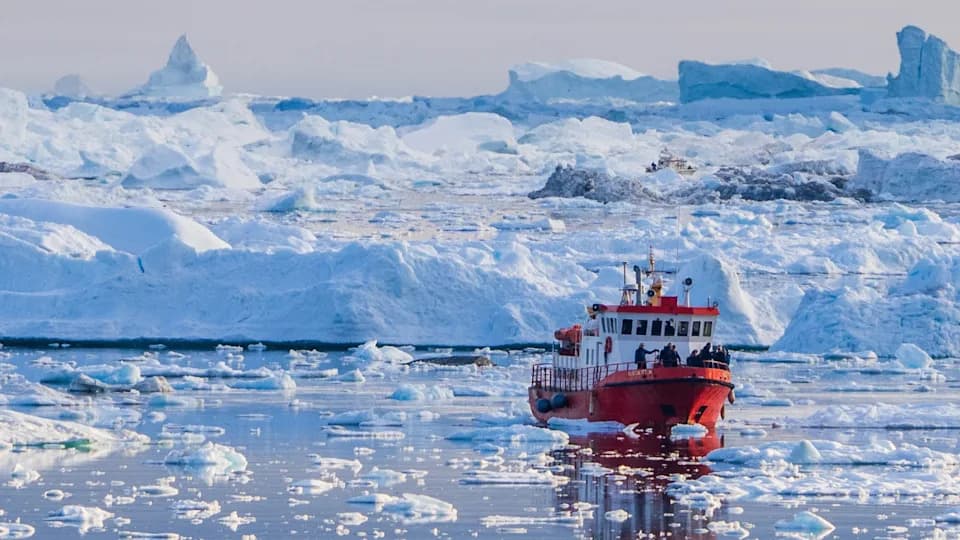
Denmark, Greenland and the United States will sign a security agreement at the UN General Assembly that Copenhagen says will place Arctic security largely under NATO rather than leaving it solely to Washington and Denmark. President Trump has called the deal "permanent control" for the U.S., a claim not confirmed by Denmark or Greenland. The pact follows months of U.S. pressure over Greenland, draws on decades of strategic ties dating to World War II, and could strengthen NATO's role in Arctic defence.
Denmark Says NATO Will Share Arctic Security Responsibilities Under New Greenland Deal
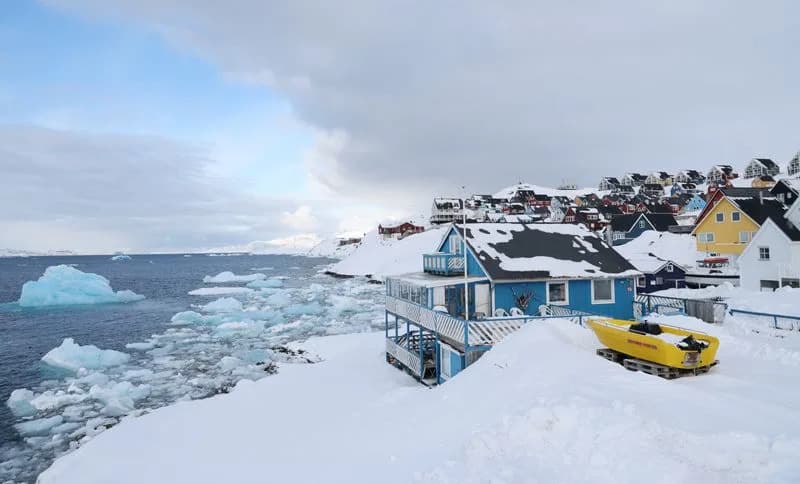
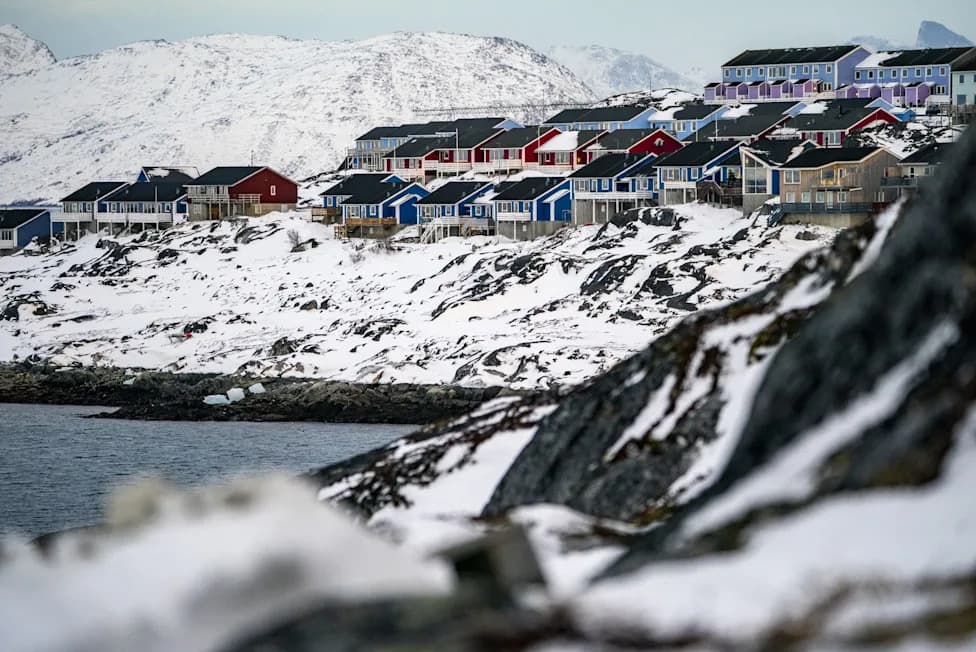
A view shows the city of Nuuk, Greenland, March 28, 2025. REUTERS/Leonhard Foeger
Denmark, Greenland and the United States are set to sign a security agreement at the United Nations General Assembly in New York that Copenhagen says will place Arctic security largely under NATO's umbrella rather than leaving responsibility solely to Washington and Denmark.
What Is Being Signed
The trilateral pact, scheduled for signature at 10:30 a.m. ET (1430 GMT) on Tuesday, has not been published in full. The Danish government says the agreement will strengthen regional defence cooperation and respect Greenland's sovereignty. President Donald Trump has described the deal as granting the United States "permanent control," a characterization neither Denmark nor Greenland has confirmed.
Leaders and Ceremony
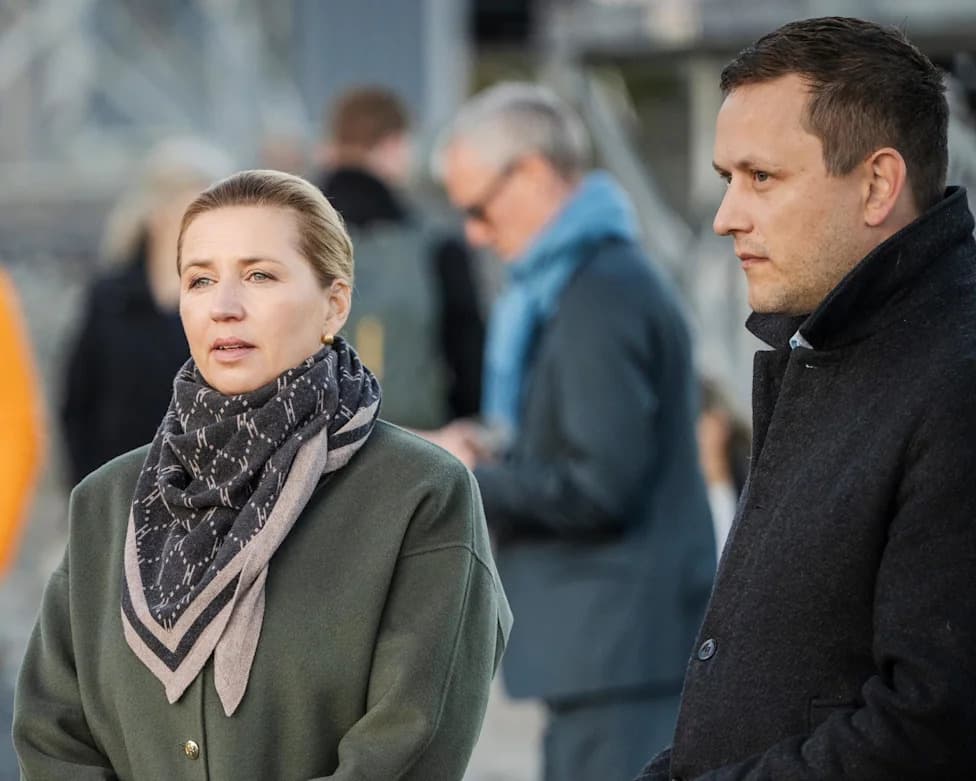
A White House official said the signing will take place in New York with President Trump, Danish Prime Minister Mette Frederiksen and Greenland Prime Minister Jens-Frederik Nielsen attending. The official said the leaders will "formalize their new agreement that will secure and defend the security of Greenland and the United States."
Background And Strategic Context
The agreement follows months of pressure from President Trump, who at times suggested the United States should control Greenland and did not entirely rule out military or economic measures to acquire the semi-autonomous territory. Those comments triggered a diplomatic dispute within NATO and prompted negotiations between Copenhagen, Nuuk and Washington to defuse tensions.
Danish Foreign Minister Lars Løkke Rasmussen told national broadcaster TV2 that responsibility for Arctic security 'is not only Danish or American' and that, to a large extent, 'it would be NATO that looks after the Arctic.'
Historical Roots
Washington's strategic interest in Greenland dates to World War II. In 1941 the United States concluded an agreement with Danish envoy Henrik Kauffmann, who acted without Copenhagen's authorization while Denmark was under German occupation, to keep Greenland out of Axis hands and secure the North Atlantic supply route. During the 1940s the U.S. built airfields, naval facilities and weather stations on the island; DIIS estimates U.S. personnel reached roughly 5,500 by 1943.
In 1946 President Harry Truman reportedly offered to buy Greenland for $100 million in gold, but Denmark declined. A 1951 defence agreement later gave the U.S. military extensive rights in Greenland while linking those rights to NATO's existence. Analysts say inclusion of a NATO clause will be central to any new agreement, and that Copenhagen and Nuuk are unlikely to sign without it.
Current Military Presence And Reactions
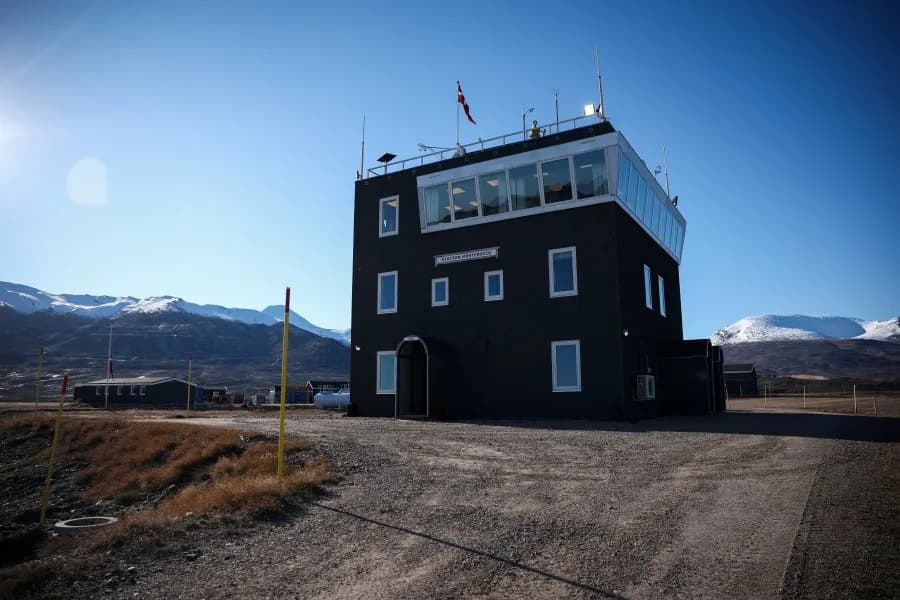
Today, the only regularly used U.S. installation remaining in Greenland is Pituffik Space Base (formerly Thule), with about 150 U.S. military personnel. Denmark has acknowledged decades of underinvestment in Greenland's defence and has pledged to expand its military presence on the island and increase NATO contributions.
A NATO spokesperson welcomed the new agreement, saying it would "help advance security, stability and cooperation in this vital region." Ulrik Pram Gad, a researcher at the Danish Institute for International Studies, said the crisis has been used as an opportunity to strengthen NATO cohesion through Greenland.
Local Response And Next Steps
Greenland's government has sought to reassure the public. Erik Jensen, an opposition lawmaker in Greenland, said he had read the draft agreement and felt reassured. Danish leaders have declined to release the full text publicly ahead of the ceremony, saying only that the pact will benefit Greenland and respect its sovereignty.
Implications: The deal could formalize a broader NATO role in Arctic security, reduce bilateral tensions between Denmark and the United States, and reaffirm Greenland's strategic position in transatlantic defence planning. Observers will watch whether the agreement amends the 1951 defence pact and how NATO's responsibilities are defined in practice.
Help us improve.