The Middle East conflict has driven a sharp rebound in demand for Russian oil after disruptions through the Persian Gulf and a temporary easing by the U.S. Treasury allowed select buyers to take stranded cargoes. Analysts say prolonged fighting will raise global reliance on Russian crude and refined products. Reports that Russia may have shared intelligence with Iran are contested by U.S. officials, while the crisis is also depleting U.S. air-defense stocks that might otherwise support Ukraine. For Moscow, the situation has produced both commercial gains and a strategic shift in U.S. attention.
Putin Capitalizes on Middle East Conflict as Demand for Russian Oil Surges
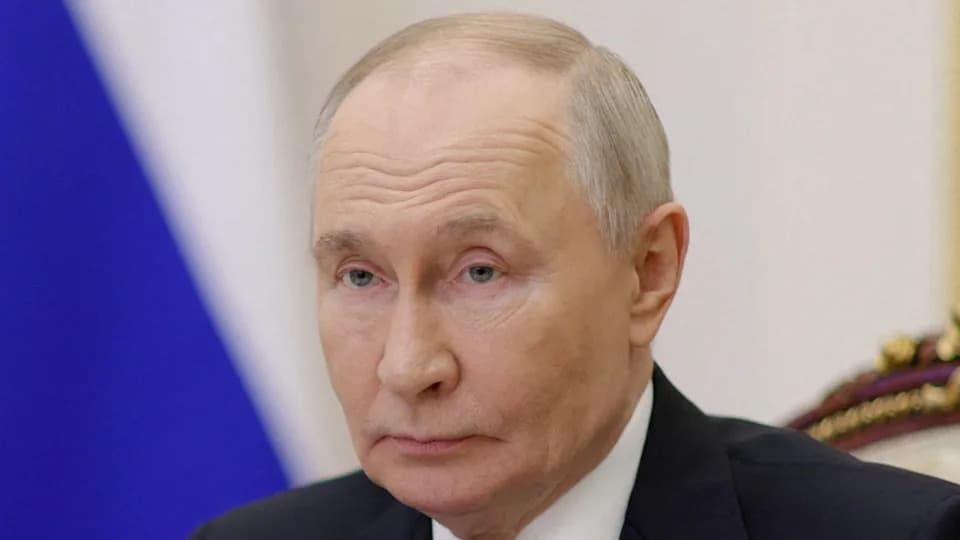
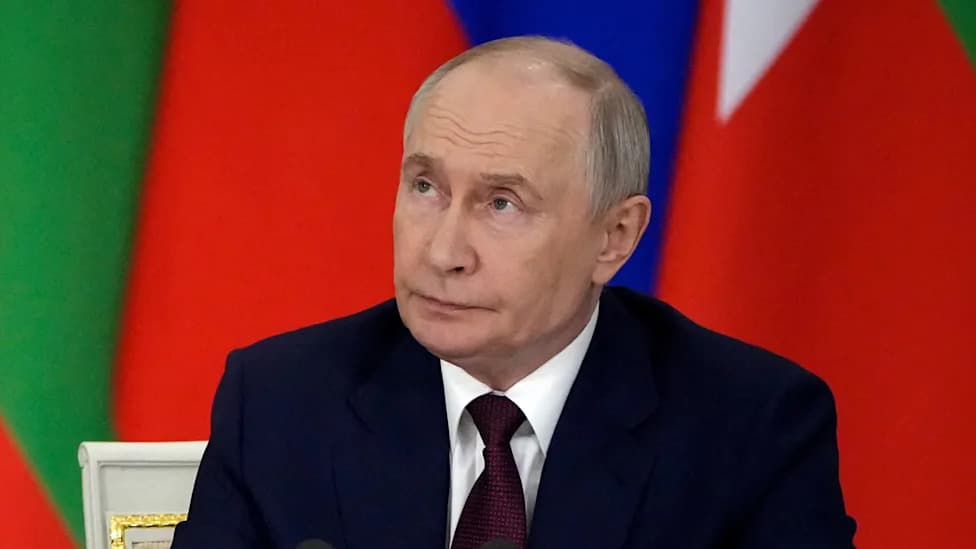
America's Iran conflict has resulted in a sudden windfall for Vladimir Putin. / Gavriil Grigorov / via REUTERS(Gavriil Grigorov)
Russian President Vladimir Putin is benefiting from an unexpected boost in demand for Russian oil as the intensifying conflict in the Middle East disrupts global energy flows.
As supplies through the Persian Gulf have been unsettled, the U.S. Treasury Department temporarily relaxed some restrictions on Russian crude, allowing select buyers — including India — to take shipments that had been stranded at sea. Just weeks earlier, Russia’s oil sector faced pressure from lower prices and sanctions, with millions of barrels reportedly awaiting buyers offshore.
The market dynamic has shifted rapidly. Analysts and ship-tracking firms say prolonged instability will likely increase global reliance on Russian crude and refined products. "The longer that this conflict goes on, the world will increasingly rely on both Russian crude oil and Russian refined products," said Naveen Das, a senior crude analyst at Kpler, in comments reported by The Wall Street Journal.
Tankers have faced obstacles transiting the Strait of Hormuz, a narrow chokepoint through which roughly one-fifth of global oil supply passes each day. Asian buyers have rushed to secure alternative supplies, a scramble that has strengthened Moscow’s commercial position.
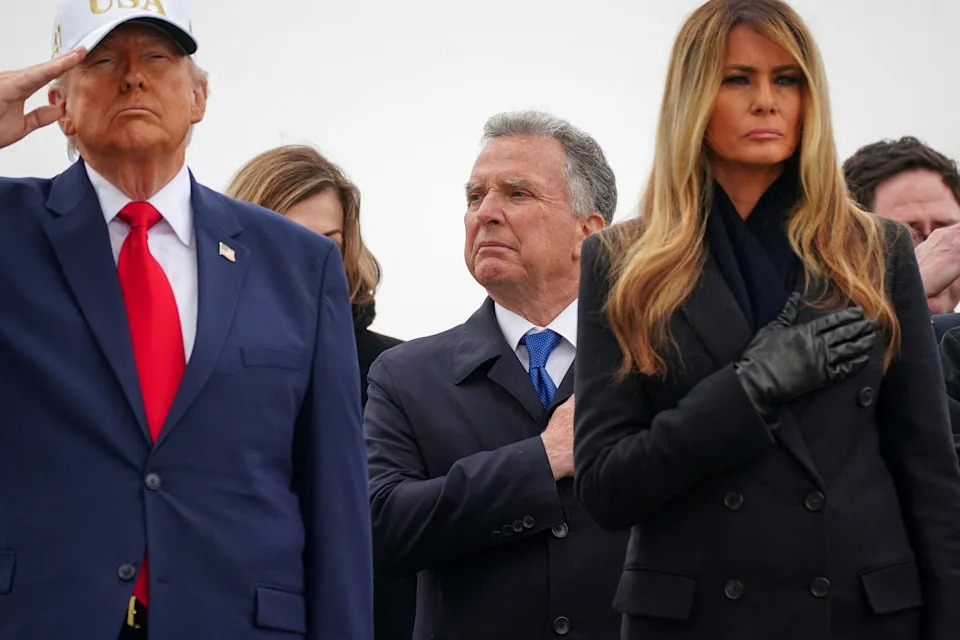
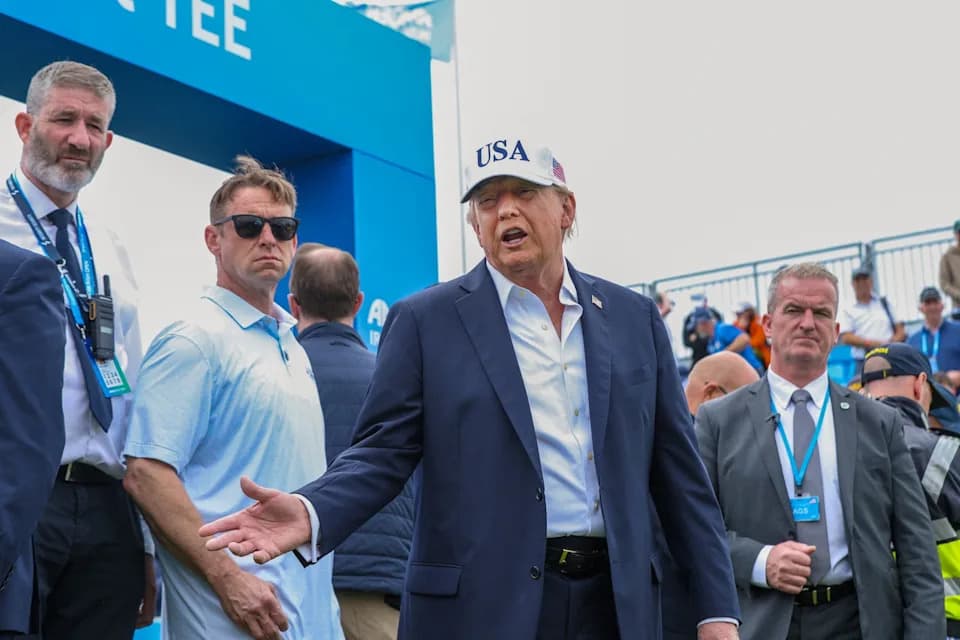
On Saturday, President Donald and First Lady Melania Trump witnessed a dignified transfer of the remains of six U.S. Army service members of the 103rd Sustainment Command—with many critics calling out Trump's disrespectful baseball hat. / Nathan Howard / REUTERS
On Russian state television this week, Mr. Putin suggested Europe could be cut off from remaining Russian gas supplies and pointed to new markets that Moscow considers reliable. "Other markets are opening now," he said, adding that redirecting supplies could be preferable if European purchases are halted.
Beyond commercial gains, multiple sources — including a senior U.S. official cited by CBS News — have reported that Russia has provided Iran with intelligence on U.S. military positions in the region during ongoing U.S.-Israeli operations. U.S. officials have publicly disputed that such assistance has put American forces in danger. Defense Secretary Pete Hegseth told a media interviewer that U.S. forces are tracking developments closely and that commanders have updated situational awareness.
Analysts warn of a second, strategic effect: the conflict is depleting U.S. inventories of air-defense systems and anti-ballistic missiles, potentially leaving fewer systems available to support Ukraine as it continues to face Russia’s invasion. That diversion of matériel and attention could confer an indirect advantage to Moscow.
Bottom line: The Middle East crisis has delivered a twofold benefit for Russia — stronger oil revenue and a potential strategic edge as U.S. military focus and air-defense stocks are drawn toward the region.
Help us improve.