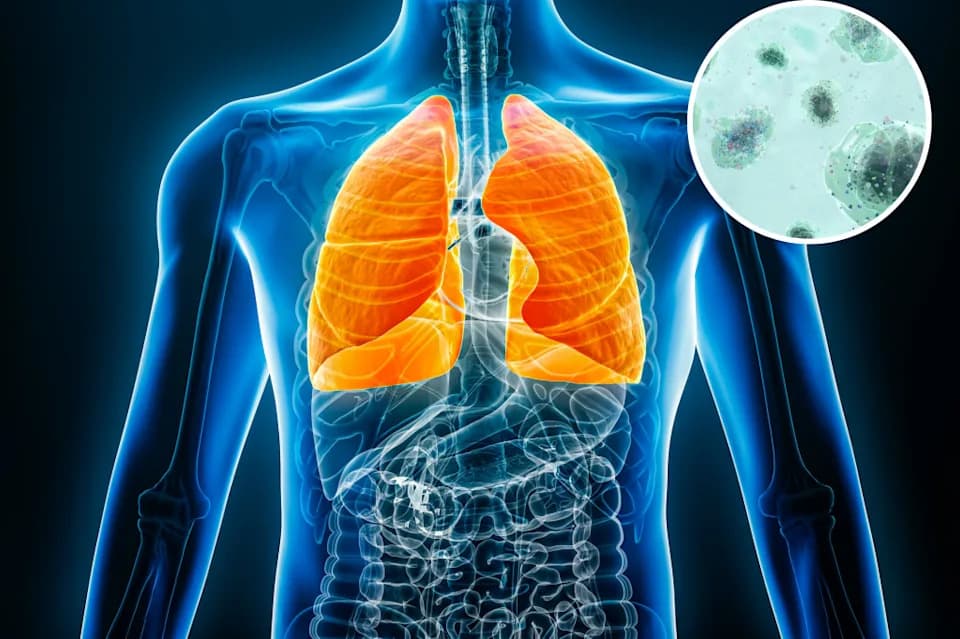
Researchers report a sharp rise in microplastics inside human brains: 2024 samples had nearly 50% more particles than samples from eight years earlier, averaging about seven grams per brain. Higher levels were observed in some brains from people with dementia, though causation has not been established. Microplastics have also been found in placenta, blood and infant stool, and early studies link exposure to cognitive, developmental and immune concerns. Policymakers and individuals are taking steps to reduce plastic use while scientists continue to study health impacts.
Scientists Warn Microplastics Are Showing Up In Human Brains — Levels Rose Nearly 50% in Eight Years
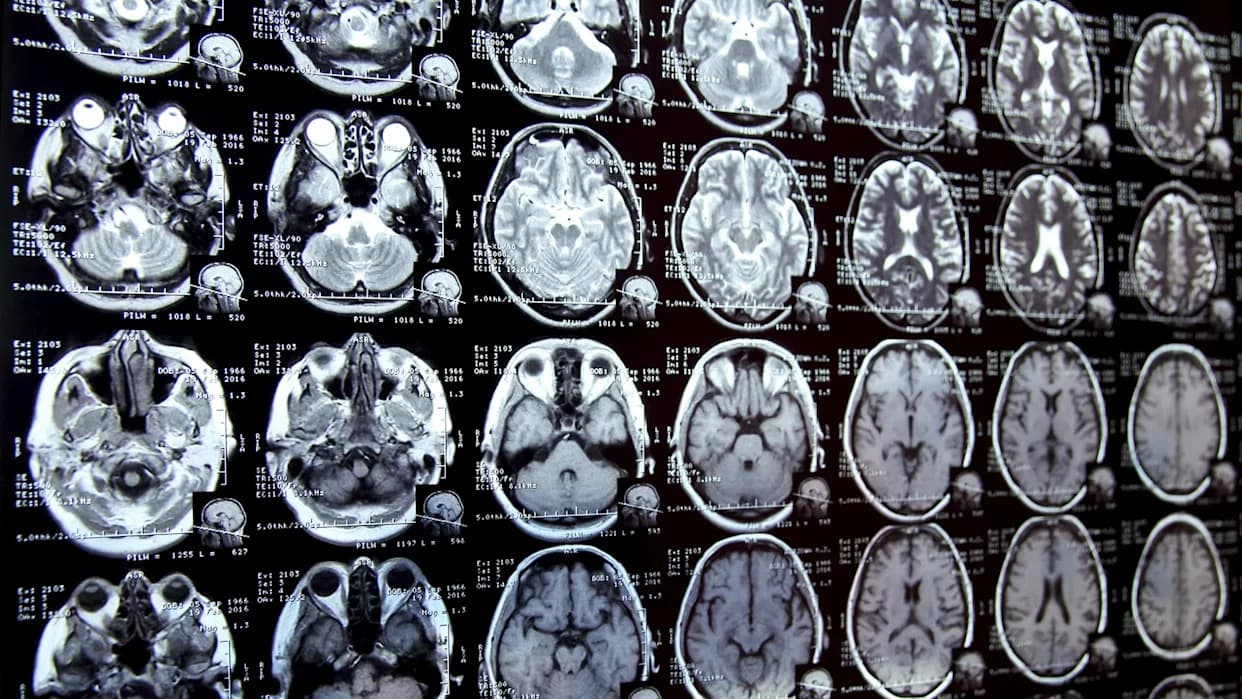
Photo Credit: iStock
Plastic pollution is no longer confined to beaches and oceans: new research suggests microscopic plastics are accumulating inside human organs — including the brain. A recent study led by researchers at the University of New Mexico found that brain samples collected in 2024 contained nearly 50% more microplastics than samples from about eight years earlier.
How much? On average the 2024 brains contained roughly seven grams of plastic — about the weight of a disposable plastic spoon and approximately equal to several plastic bottle caps. Scientists stress these are approximate measurements but say the upward trend is clear.
Microplastic fragments have already been detected in other human tissues and samples, including the placenta, the bloodstream, and even in a baby’s first stool. Toxicologist Dr. Matthew Campen told The New York Times:
"This stuff is increasing in our world exponentially."
Because some microplastic particles are extremely small, they can cross biological barriers and lodge in organs. The research team also reported higher microplastic concentrations in brains from people with dementia, though they cautioned this could reflect a more permeable blood–brain barrier or reduced clearance in diseased tissue rather than a direct cause-and-effect relationship.
What We Know — And What We Don’t
Early experimental and epidemiological studies suggest links between microplastic exposure and several biological concerns, including cognitive decline, memory problems, reproductive and developmental effects, immune disruption, and hormonal changes. However, researchers emphasize that causation has not been firmly established and more work is needed to determine exposure thresholds and mechanisms of harm.
Ongoing Research
The University of New Mexico team is continuing its work, now examining cross-sections of individual brains to map whether certain regions contain higher concentrations of microplastics and whether those patterns correlate with conditions such as Parkinson’s disease or specific memory disorders.
Policy And Practical Responses
Governments and cities are already responding: countries such as France, the U.K. and India have restricted common single-use plastics, and municipalities like Los Angeles and New York have limited items such as Styrofoam and plastic produce bags. In the lab, scientists are developing more degradable materials and testing filtration and removal methods for microplastics in water systems.
Individuals can also reduce personal exposure by choosing reusable containers, avoiding microwaving food in plastic, using laundry filters or microfiber-catching bags, and reducing reliance on single-use plastic products.
Bottom line: Microplastics are increasingly detectable inside the human body. While the health implications are still being determined, the trend has raised global public-health and environmental concern and prompted both research and policy actions.
Help us improve.