Presidents must publicly oversee the return of fallen service members, a duty that mixes protocol, privacy and politics. Policies on media coverage of these dignified transfers have swung from tight restriction after the 1991 Gulf War to family-approved visibility under Obama. Recent controversies — including criticism of Biden’s conduct at Abbey Gate and Trump’s political use of military deaths — have intensified scrutiny. With six service members recently killed in clashes tied to Iran, the question of how presidents should conduct themselves at these transfers is again in the national spotlight.
Why Presidents Stumble Over Their Most Solemn Task: The Politics of Dignified Transfers
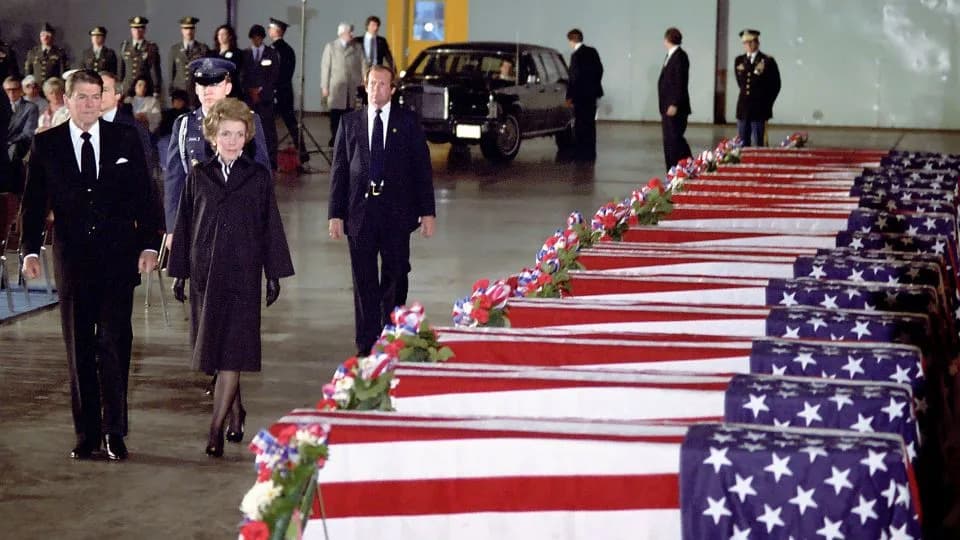
President Ronald Reagan and Nancy Reagan honor the victims of the bombing of the US Embassy in Beirut, Lebanon, at Andrews Air Force Base in Maryland, on April 23, 1983. - Circa Images/GHI/Universal History Archive/Universal Images Group/Getty Images
Presidents face a wrenching, highly visible duty when American service members are killed overseas: overseeing the return of their remains. What is meant to be a quiet, respectful ritual — the “dignified transfer” — has become a minefield of protocol, media policy and partisan controversy.
A Brief History Of Missteps And Policy Shifts
In 1989, after ordering U.S. forces into Panama to remove Gen. Manuel Noriega, President George H.W. Bush held a press briefing at the exact moment the first American casualties were arriving on U.S. soil. Television networks showed both events side-by-side. Bush opened with a quip about having a “pain in the neck,” and when asked whether the operation had been worth the loss of life, he replied, according to The New York Times, “Every human life is precious. And yet I have to answer, yes, it has been worth it.” That answer reflected candor but struck many as lacking the empathetic tone expected of a commander in chief.
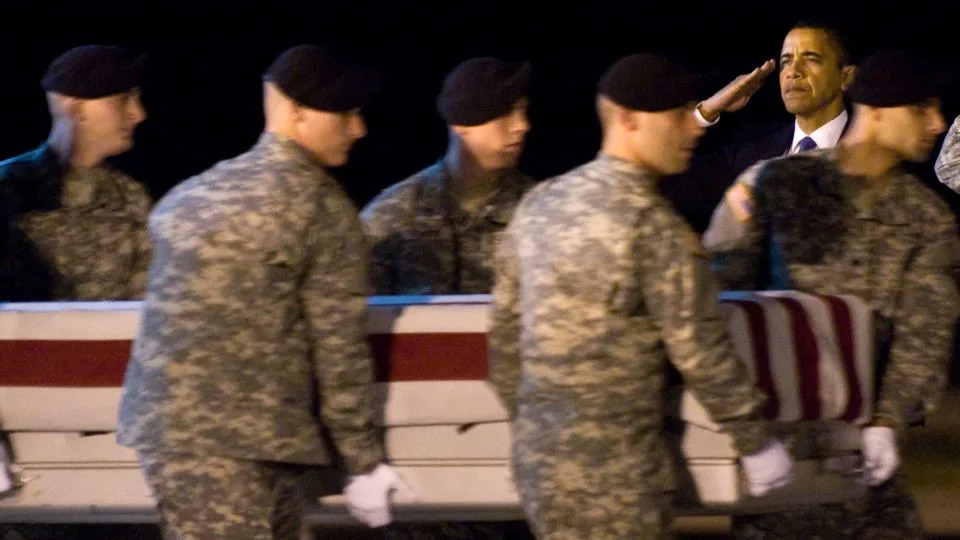
President Barack Obama salutes during the dignified transfer of Sergeant Dale R. Griffin of Terre Haute, Indiana, at Dover Air Force Base in Dover, Delaware, on October 29, 2009. - Saul Loeb/AFP/Getty Images
Earlier presidents took different approaches. When eight U.S. commandos were killed in a failed 1980 rescue attempt in Iran, Jimmy Carter stood watch as their remains arrived at Andrews Air Force Base and later eulogized them at Arlington National Cemetery, a response that was politically consequential. Ronald Reagan attended the arrival of remains after the 1983 Beirut barracks bombing that killed 258 Marines; the attack later fed into Reagan-era policy and controversies, including the Iran-Contra affair.
From Embedded Coverage To Restriction — And Back
By the 1991 Gulf War, Pentagon policy largely curtailed media coverage of arrivals of American remains. Those restrictions persisted and in some cases tightened during the wars in Iraq and Afghanistan under President George W. Bush; after a Freedom of Information Act dispute over photos of coffins, Pentagon photographers were largely curtailed, the National Security Archive notes. The rationale for limiting coverage has often been to protect grieving families and to prevent graphic images from being used for propaganda.
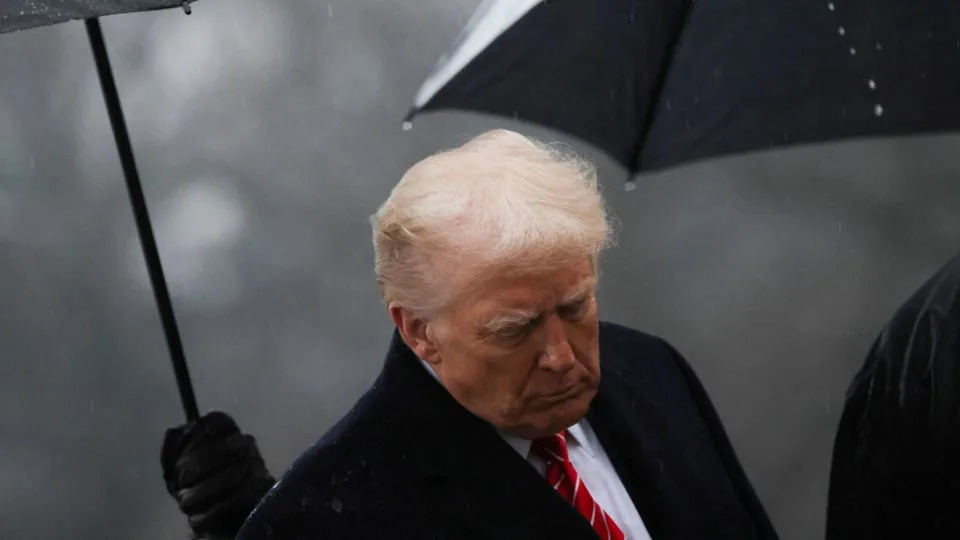
President-elect Donald Trump visits section 60 of Arlington National Cemetery, on January 19, 2025, ahead of his presidential inauguration. - Carlos Barria/Reuters
Shortly after taking office in 2009, President Barack Obama’s administration relaxed those rules, permitting photography and media coverage of dignified transfers with family consent. Obama sometimes attended arrivals himself and called them a “sobering reminder” of sacrifice — a practice later followed by Presidents Donald Trump and Joe Biden.
When Protocol Meets Politics
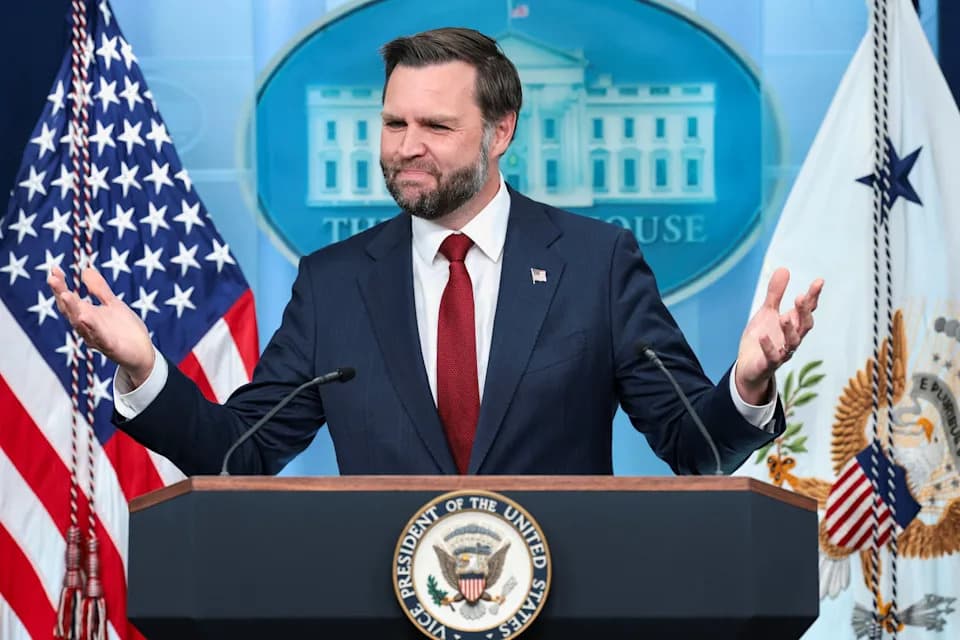
The ritual has become a flashpoint in partisan politics. President Biden drew sharp criticism from some Gold Star families after the Afghanistan withdrawal when he appeared to check his watch between salutes during the transfer at Abbey Gate; families also said he spoke too much about his late son Beau rather than focusing on the newly fallen. Donald Trump used those criticisms politically in 2024 and featured Gold Star families at the Republican National Convention. He also posted video of a campaign visit to Arlington National Cemetery, which raised questions about the line between memorial observance and political activity.
Trump has faced additional scrutiny for alleged disparaging remarks about fallen service members. Former White House Chief of Staff John Kelly, who lost a son in Iraq, has publicly said Trump maligned war dead on multiple occasions, citing reported comments from a state visit to France and elsewhere; Kelly later confirmed some of those accounts in interviews.
Today’s Dilemma
As of recent Pentagon statements, six U.S. service members have been killed in clashes tied to tensions with Iran; the president — currently Donald Trump — is expected to attend the arrival of their remains at Dover, Delaware. That assignment underscores the enduring questions surrounding dignified transfers: how should leaders balance public transparency and the grieving families’ privacy, how should a president comport himself in view of the nation, and to what extent will political calculation intrude on solemn obligations?
Bottom line: The dignified transfer is more than ceremony — it is a test of presidential judgment, empathy and the nation’s willingness to confront the human costs of war.
Help us improve.