James Talarico won the Texas Democratic Senate primary by combining Spanish-language outreach, Latino influencers and staff with a populist economic message and visible Christian faith. He dominated heavily Latino counties — outpolling his opponent about 62% to 35% in areas that are at least 60% Latino and taking 67% in Hidalgo County. The campaign avoided identity-first language like "Latinx," emphasized working-class themes, and adopted a center-left immigration stance, offering a possible model for Democrats to regain Latino support.
Talarico’s Primary Win Shows a Path to Reaching Latino Voters — Lessons for Democrats

James Talarico’s campaign was strong with Latino voters. That’s good news for Democrats.
Texas state Representative James Talarico won the Democratic primary for the U.S. Senate race on Tuesday, mounting a campaign that combined economic populism, visible Christian faith, and culturally aware outreach. His performance — especially in heavily Latino counties — suggests a potential playbook for Democrats aiming to reconnect with Latino voters without relying solely on identity-first language.
High Turnout and Strong Results in Latino Communities
Politico reported that in five rural majority-Latino counties, more ballots were cast in Tuesday’s Democratic primary than were cast for Kamala Harris in the 2024 presidential election — a noteworthy sign of elevated engagement given typical primary turnout patterns. For the first time in decades, Democratic primary turnout in this contest also exceeded Republican turnout.
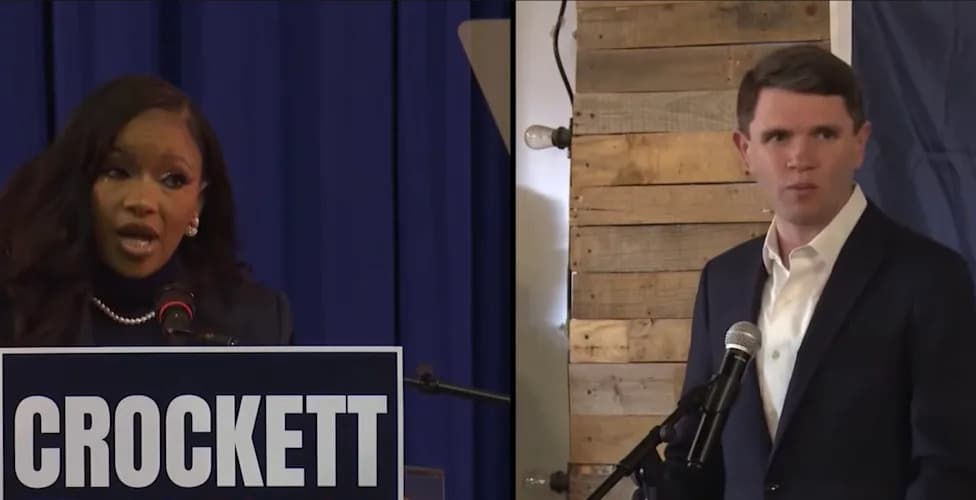
Across counties where the population is 60% or more Latino, Talarico outpolled his opponent, Rep. Jasmine Crockett, roughly 62% to 35%, according to Associated Press data cited by The Wall Street Journal. In Hidalgo County — roughly 92% Latino — he took about 67% of the vote.
Campaign Strategy: Targeted Outreach With Broad Messaging
Talarico’s campaign mixed targeted outreach with universal economic themes. Tactics included Spanish-language ads, partnerships with Latino internet influencers, and hiring Latino staff — efforts designed to meet voters where they already consume media and information. At the same time, his team avoided certain progressive identity markers; his public materials and speeches did not use the term "Latinx," nor did they treat Latino voters as a single-issue bloc.
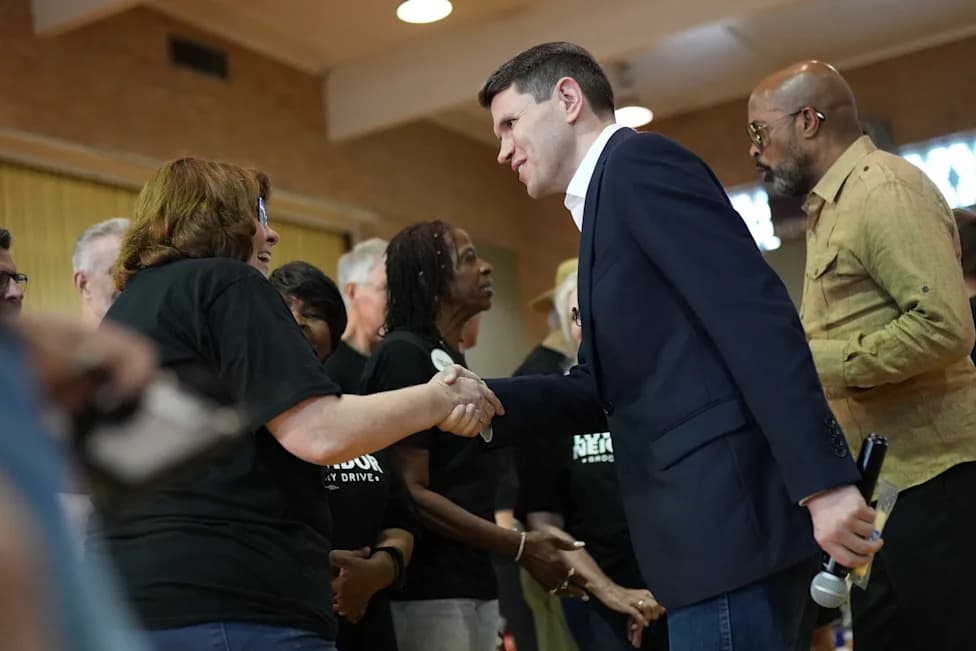
Instead, Talarico emphasized economic populism and working-class concerns. At a town hall he framed the race as a battle against wealthy interests:
"It’s the billionaires waging war against the rest of us."
He also foregrounded his Christian faith in a progressive register. Chuck Rocha, a senior adviser to the campaign, told The Wall Street Journal that Talarico connected with Latinos by focusing on "faith and family and jobs and bringing people together."
Immigration Position and Contrast With Opponent
On immigration, Talarico staked out what could be described as a center-left position: securing the border while reforming (not abolishing) U.S. Immigration and Customs Enforcement and creating pathways for certain undocumented immigrants to pursue citizenship. He summed up the approach with a memorable line: "We should treat our southern border like our front porch — a giant welcome mat out front, and the lock on the door." This blend aims to appeal to voters with mixed views on enforcement and humane policy.
By contrast, Crockett attracted controversy for a 2024 remark in which she said Latino voters who hold conservative views on immigration had a "slave mentality." The comment was widely criticized and may have alienated some voters in heavily Latino precincts.
What This Means — And What To Keep In Mind
While it is premature to generalize from a single primary, Talarico’s results offer lessons: culturally fluent outreach (Spanish ads, influencers, staff representation) paired with a broad economic message and faith-friendly tone can mobilize Latino voters without relying on narrow identity phrasing. Whether this model scales to a general election against a Republican opponent remains to be seen, but Tuesday’s turnout gives Democrats reason for cautious optimism and suggests they reevaluate campaign assumptions about Latino voters.
Data Points: 62% vs. 35% in counties 60%+ Latino; 67% in Hidalgo County; Democratic primary turnout topped Republican turnout for the first time in decades; five rural majority-Latino counties had higher Democratic primary ballots than votes for Kamala Harris in 2024.
Help us improve.