Mainstream outlets overstated a racial drama in the Texas Democratic primary. Polls and interviews show James Talarico attracting strong Black support — stronger than recent Democrats such as Beto O'Rourke and Colin Allred — and only 7% of Black voters said they were less likely to vote after his nomination. Coverage that emphasizes "enthusiasm" distracts from a larger, more consequential issue: systemic voter suppression in Texas that threatens turnout. Reporters should prioritize structural barriers to voting over recycled intra-party tropes.
Media Repeats Old Tropes About Talarico And Black Voters — Ignores Voter Suppression Threat
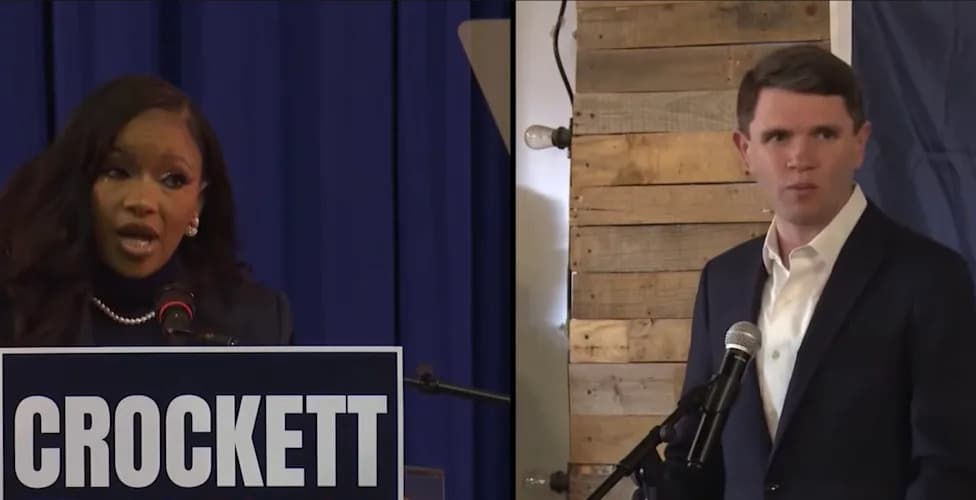
Screenshot
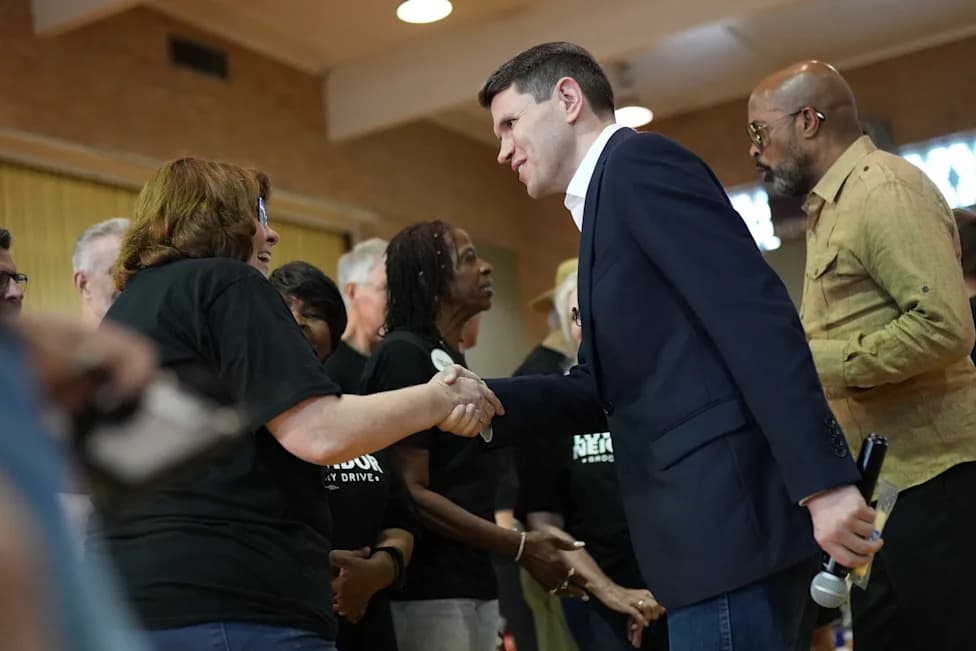
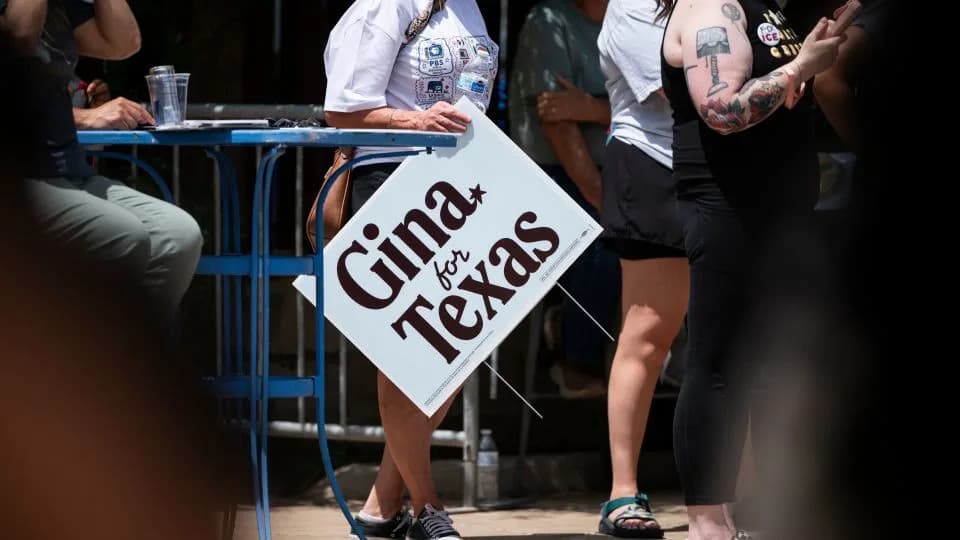
Since James Talarico launched his Democratic primary campaign against Jasmine Crockett for the U.S. Senate in Texas, mainstream outlets have hunted for a narrative of intra-party racial conflict. Crockett promoted the idea that Talarico would need to reclaim ground with Black voters, and many Black Democrats initially backed her. Talarico, for his part, has framed outreach as an effort to earn that community’s support.
The Narrative Versus The Evidence
With just over a month to Election Day, the question many outlets raised — most recently The New York Times — about whether Talarico faces a distinctive hurdle with Black voters now has an answer: he does not. Polling shows Talarico drawing substantially more Black support than prior Democratic contenders such as Beto O'Rourke and Colin Allred. One August poll found only 7 percent of Black voters said they were less likely to vote because Talarico was the nominee, and Times interviews indicated every voter they spoke with planned to vote for him.
"James Talarico to me is the new Caucasian Obama," said Janice Prevost, a makeup artist who had supported Ms. Crockett. "I hope one day he runs for president."
Why The 'Enthusiasm' Angle Is Misleading
Some coverage pivoted from measuring support to debating "enthusiasm." That framing downplays the thoughtful and strategic voting patterns of Black Americans, historically a reliable core of the Democratic coalition — especially notable in Texas, which sustains comparatively high Black voter engagement despite substantial barriers.
Framing turnout as primarily an enthusiasm problem risks turning a complex political reality into a soap opera: it centers interpersonal drama instead of the forces that truly affect turnout.
Context: Shifts In Black Voter Behavior
Talk of a Trump surge among Black voters often focuses on an increase among Black men in Texas — from 11 percent in 2020 to 22 percent in 2024. That shift requires context: Black women did not follow that pattern; their support for Democrats rose from 92 percent to 94 percent, and their turnout was higher, which muted the male swing. Overall, Trump’s share of the Black vote in Texas rose by only about 3 percentage points.
The Real, Overlooked Threat: Voter Suppression
Coverage that centers on doubts about minority turnout must contend with a larger story: organized efforts in Texas to reduce Democratic turnout. The state has enacted laws and administrative rules — especially after significant changes to federal voting protections — that shorten voting windows, close polling places in heavily Democratic or minority districts, and restrict registration and mail-ballot access.
Those systemic barriers are at least as consequential to Talarico’s chances as any single outreach strategy. They merit steady, informed reporting rather than recycled tropes about party infighting or emotional narratives about "enthusiasm."
What This Means For Coverage And For The Race
Journalism should prioritize the structural obstacles to participation and hold institutions accountable for policies that make voting harder. Focusing on interpersonal conflicts or presumed enthusiasm gaps distracts from the voter-access realities that determine who actually casts ballots in Texas.
In short: the story is not whether Black voters like or dislike James Talarico. The story is whether the rules and practices in Texas will allow those voters — and many others — to turn out in the numbers needed to decide the race.
Help us improve.