Africa is exposed to the Middle East war because foreign bases, energy dependence and nearby sea routes bring spillover risks close to the continent. Strategic sites such as Camp Lemonnier in Djibouti and the Berbera port in Somaliland could be vulnerable. The conflict is raising shipping and fuel costs, threatening remittances from Gulf workers and creating diplomatic and geopolitical strains across the region.
Africa Vulnerable to Middle East Spillover: Bases, Shipping and Prices at Risk
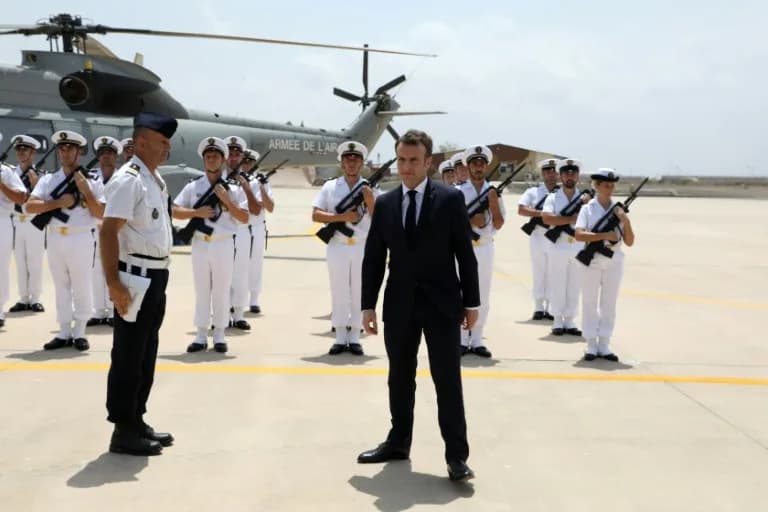
French president Emmanuel Macron (C) reviews the troops as he visits the French military base in Djibouti in 2019 (Ludovic MARIN)(Ludovic MARIN/POOL/AFP)
Africa is increasingly exposed to the fallout from the Middle East war as foreign military bases, energy dependence and nearby maritime chokepoints bring the conflict's effects rapidly to the continent's shores.
"The continent is structurally exposed to the Middle East war," said Hubert Kinkoh, senior researcher at the CARPO think tank. "Energy imports, foreign military bases, and proximity to key sea lanes mean the conflict's consequences reach African shores fast."
Targets
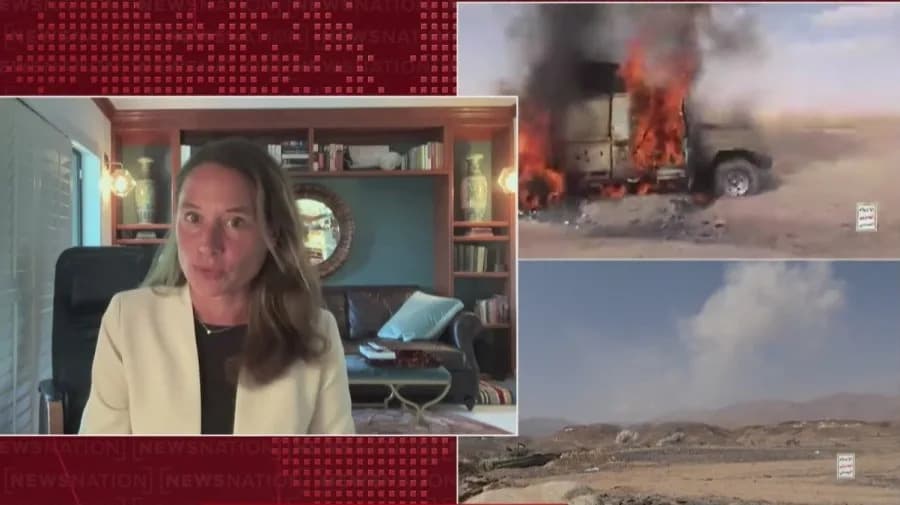
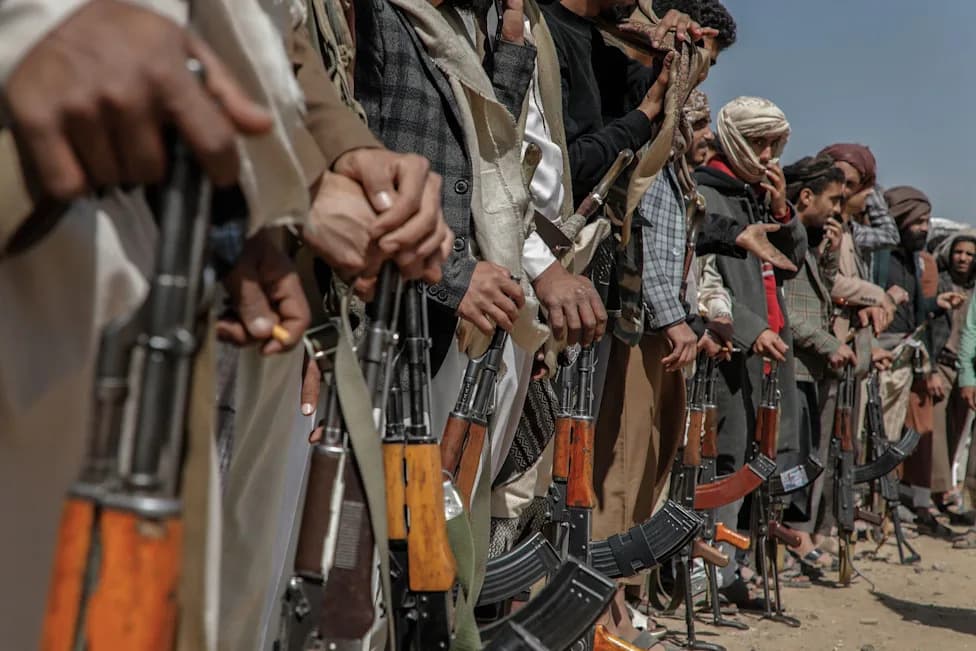
The Horn of Africa hosts facilities that could be within range of Iran‑aligned forces. Camp Lemonnier in Djibouti, which houses roughly 4,000 US service members, lies under 100 miles (about 160 km) from Yemen, where the Houthi movement has acquired ballistic and anti-ship missiles and armed drones with Iranian support.
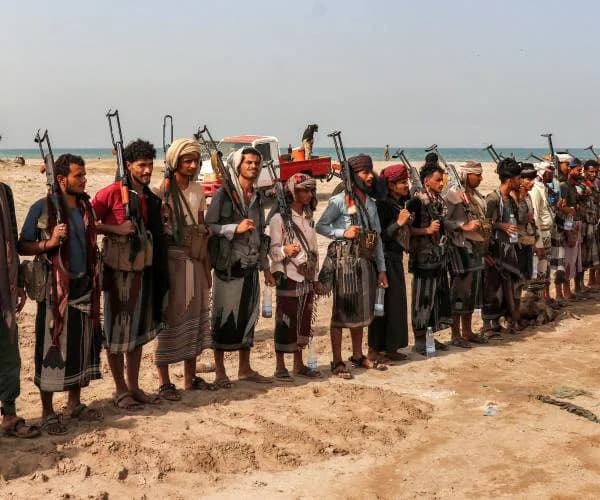
The Houthis have threatened to widen their operations and previously disrupted international trade by attacking shipping in the Red Sea during the Israel–Hamas war. Nearby Somaliland — immediately south of Djibouti — also contains the port and military facility at Berbera, operated with UAE support. Israel recently became the only country to formally recognise Somaliland, and a Western diplomat told AFP that Israeli personnel may already be present.
Location, alliances and strategic roles make facilities such as Camp Lemonnier and Berbera potentially attractive targets for groups seeking to strike at US, Israeli or allied interests, even if neither site has been publicly confirmed as a direct target.
Economic Impact
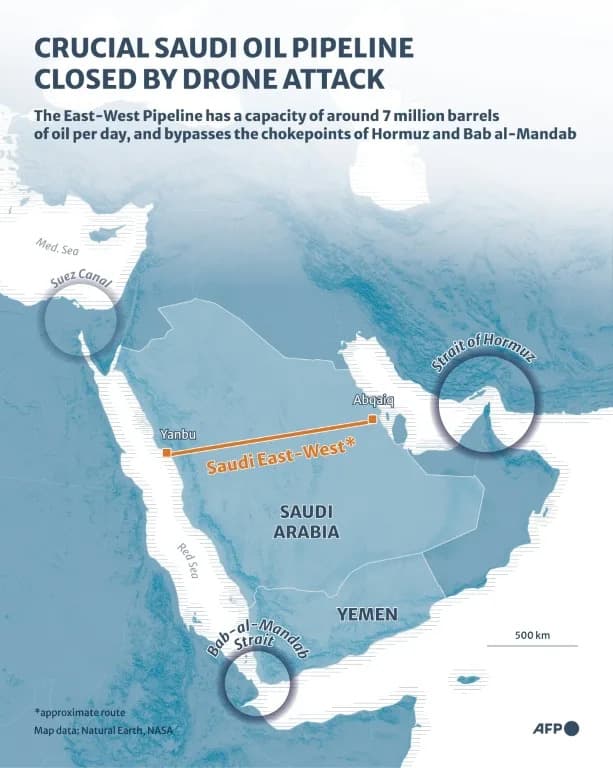
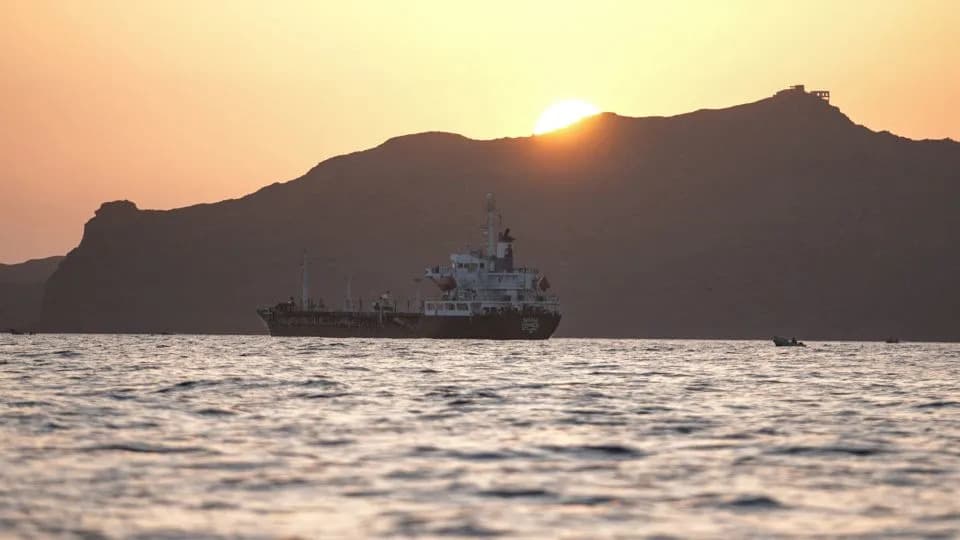
The timing of the conflict is damaging for many African economies, which had started to benefit from a weaker dollar and lower global interest rates. The war has disrupted trade routes and forced some vessels to bypass the Suez Canal for the longer, costlier route around the Cape of Good Hope, boosting shipping costs and adding inflationary pressure on energy and food prices.
For oil producers such as Nigeria the gains from higher crude prices are muted: many export contracts were locked at lower prices and the country remains a net importer of refined fuel because of limited refining capacity. Pump prices in Nigeria rose around 14% this week.
Many African economies also depend heavily on remittances from hundreds of thousands of migrant workers in the Gulf. Instability threatens jobs, wages and safety for those workers, while past crises have exposed a lack of evacuation planning and emergency support for migrants abroad.
Diplomatic Fallout
Some African governments have faced criticism for either inaction or risky alignment. South Africa in particular has been singled out after publicly opposing Israel and (according to reports) hosting Iranian warships in a January naval exercise — an episode the South African government later said occurred without presidential approval.
"South Africa will want to reinforce the message that it is a non‑aligned neutral actor, but that will be hard given Iran's visible role in the exercise," said Timothy Walker of the Institute for Security Studies. Analysts warn economic vulnerability means geopolitical posturing could carry significant costs.
Geopolitics And Longer-Term Effects
The conflict is likely to accelerate shifts in regional influence. Turkey, Saudi Arabia, the UAE and other Gulf actors have been expanding their footprint in Africa through ports, infrastructure projects, drone transfers, military cooperation and energy investments — especially in East Africa. These ties have been accused of aggravating conflicts in countries such as Sudan, Ethiopia and Somalia.
Some analysts say there may be an upside: if Gulf states are forced to prioritise defence at home, their interventions in African conflicts could diminish, potentially creating more room for African-led diplomacy and peace processes.
Policy makers across Africa face an urgent need to diversify energy supplies, strengthen maritime security, support migrants abroad and build diplomatic resilience to limit the human and economic costs of a conflict that is not of their making.
Help us improve.