A storm at Lunan Bay, Angus, briefly exposed human and animal footprints preserved in clay and dated to about 2,000 years ago. Dog walkers alerted regional archaeologist Bruce Mann, prompting an emergency response by the University of Aberdeen team, which made casts, photographs and millimetre-accurate 3D models. Radiocarbon dating of plant remains placed the impressions in the late Iron Age. Fierce winds, driving sand and incoming tides destroyed the site within 48 hours despite rapid recording efforts.
Storm Reveals 2,000-Year-Old Footprints on Scottish Beach — Archaeologists Race to Save Them
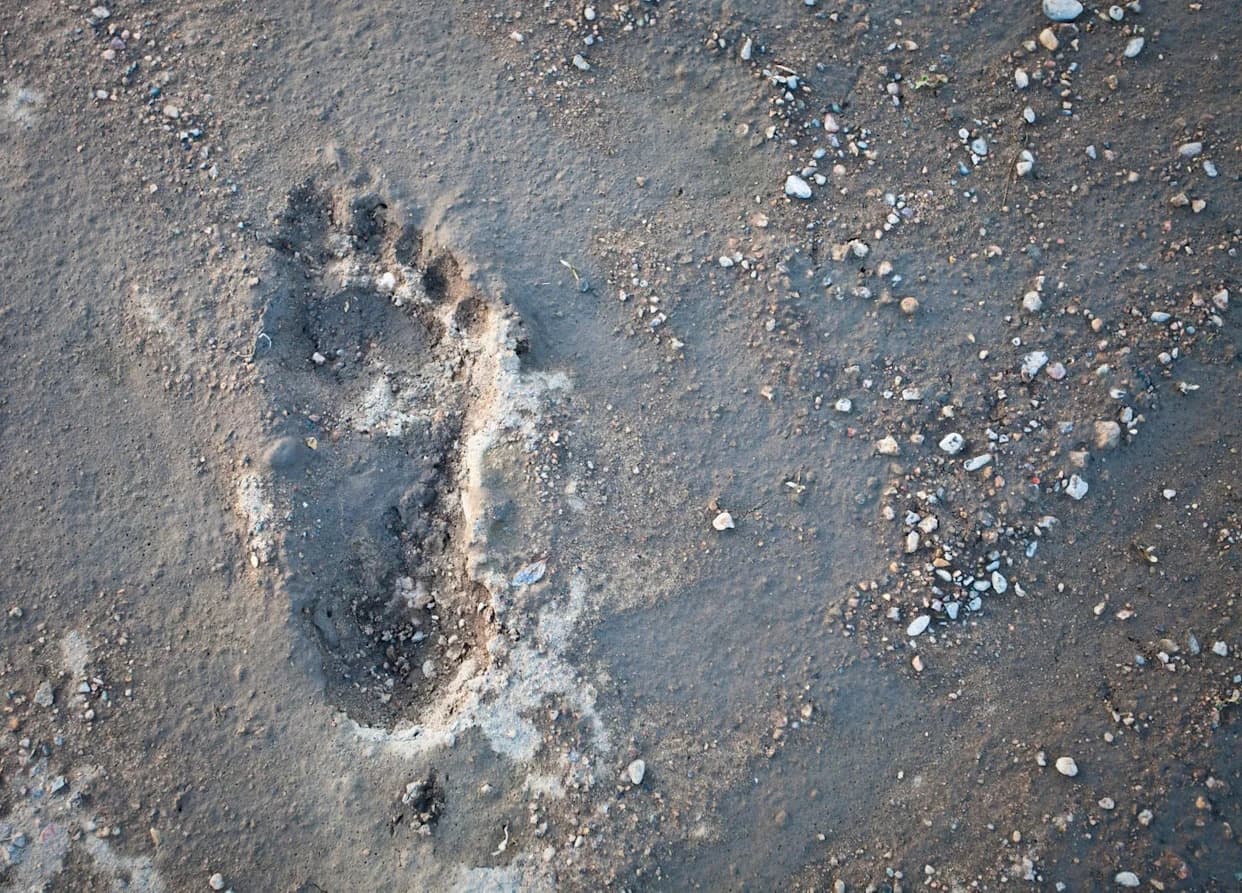
Storm-Shifted Sands Show 2,000-Year-Old Footprintsstudio9400 - Getty Images
A powerful storm briefly stripped sand from the dunes at Lunan Bay in Angus, Scotland, exposing a set of footprints preserved in the clay beneath. The impressions—left by barefoot humans and several species of deer—were rapidly documented by archaeologists from the University of Aberdeen but were erased by wind and tides within 48 hours.
Discovery
Dog walkers Ivor Campbell and Jenny Snedden spotted the prints after a storm had scoured the shore and alerted regional archaeologist Bruce Mann. Mann called a response team at the University of Aberdeen, which drove straight to the site, pausing only briefly to pick up plaster of Paris to make casts.
Race Against the Elements
Working in extreme conditions—winds topping 55 mph, blowing sand, and an encroaching tide—the team focused on recording every detail. They made physical casts, took high-resolution photographs, launched drones to capture overlapping imagery, and produced millimetre-accurate 3D models of the impressions.
“We knew we were dealing with a really rare site, and that this discovery offered a unique snapshot in time,” said archaeologist Kate Britton. “But it was also clear that the sea would soon take back what had so recently been revealed.”
What the Prints Reveal
Laboratory analysis, including radiocarbon dating of preserved plant remains recovered from deposits beneath the prints, placed the site in the late Iron Age—roughly 2,000 years ago. The tracked impressions included barefoot human prints alongside red deer and roe deer, supporting the interpretation that the spot was once a muddy estuary used by people for activities such as hunting or foraging for wild foods like samphire.
Ephemeral But Valuable
Despite thorough recording, the combined effects of surf and wind-blown sand destroyed the exposed layer within about 48 hours. “We were effectively being sand-blasted and the site was too,” Britton said, describing how the team worked to clean, study and document the impressions as quickly as possible. By the time the storm passed, there was nothing left to see on the beach.
Researchers say the episode underlines both the fragility of coastal archaeological deposits and the importance of prompt reporting by the public. The discovery demonstrates the potential for additional finds along nearby stretches of coastline and in the Lunan Valley area, which has a well-attested prehistoric record.
Bruce Mann added: “This began with two people noticing something unusual while walking their dogs; what followed was a race against time. The storms revealed the site and then, sadly, destroyed it.”
Help us improve.