The Lancet Oncology analysis projects global breast cancer cases could exceed 3.5 million by 2050. In 2023 there were an estimated 2.3 million diagnoses and 764,000 deaths. While high-income countries have cut mortality by nearly 30% since 1990, low-income countries have seen about a 99% rise in deaths and a 147% jump in diagnoses. Experts say the gap reflects limited treatment infrastructure, high drug costs and inequitable access; WHO’s initiative and targeted investment are needed to reverse these trends.
Global Breast Cancer Cases Could Exceed 3.5 Million By 2050 — Study Warns Of Widening Global Divide
Screening and awareness are not enough. There is a gap in accessible treatment, Dr. Kamal Menghrajani, an oncologist at Massachusetts General Hospital, said. - Tom Werner/Digital Vision/Getty Images
Breast cancer is the most commonly diagnosed cancer among women worldwide, and new research published in The Lancet Oncology warns that global cases could top 3.5 million by 2050. The study analysed trends across 204 countries and territories over more than three decades and highlights an alarming split: mortality is falling in high-income countries but rising sharply in the poorest nations.
Key Findings
An estimated 2.3 million women were diagnosed with breast cancer in 2023, and about 764,000 died from the disease that year. Nearly one in four cancers diagnosed in women globally was breast cancer.
- High-income countries saw nearly a 30% decline in age-adjusted breast cancer mortality between 1990 and 2023.
- Low-income countries experienced roughly a 99% increase in age-adjusted breast cancer deaths over the same period, while diagnoses rose about 147%.
- In central and western sub-Saharan Africa, age-adjusted mortality now exceeds the global average by more than twofold — about 35 deaths per 100,000 people per year.
Why The Gap Is Growing
The divergence stems from a mismatch between rising detection and limited treatment capacity. Increased awareness and screening have led to more diagnoses in many low-income settings, but health systems often lack the coordinated services needed for effective care.
“There were improvements in mortality rates over time in higher-income settings, but there were really inequities in progress and increasing mortality in some lower-income settings,” said Dr. Lisa Force, a senior author of the study and assistant professor at the University of Washington’s Institute for Health Metrics and Evaluation.
Effective breast cancer care requires integrated access to surgery, radiation therapy and systemic treatments (chemotherapy and targeted therapies). As of 2020, only about half of African countries reported any external beam radiotherapy service, and none had the capacity to meet national needs. Where radiation is unavailable, mastectomy is often used by default, but without postoperative care and systemic therapies the survival benefit is limited.
Cost is another major barrier. The authors note that a standard course of trastuzumab (a targeted therapy for a common breast cancer subtype) combined with chemotherapy can cost the equivalent of a decade’s average income in some low-income countries.

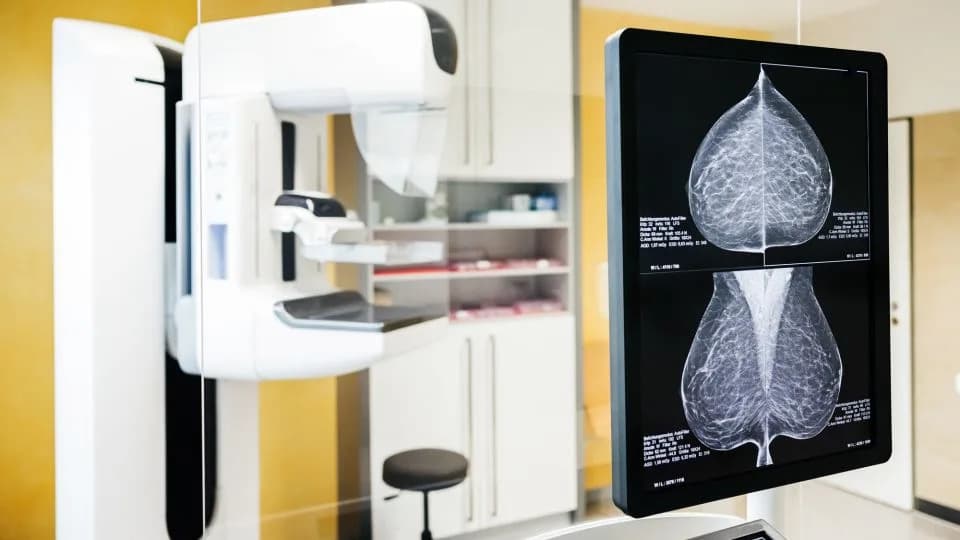
Schedule a mammogram every other year starting at age 40 and continue through age 74, the US Preventive Services Task Force recommends. - Jacob Wackerhausen/iStockphoto/Getty Images
“In low-income countries, people are being left behind,” said Dr. Kamal Menghrajani, an oncologist at Massachusetts General Hospital who was not involved in the study. “They’re finding cancer more frequently, and when they find it, they may not have the resources to offer the best treatment.”
What Experts Recommend
The study’s authors and global health experts call for political commitment and investments across the entire cancer care continuum. They point to the World Health Organization’s Global Breast Cancer Initiative, which recommends three pillars to reduce mortality: early detection, timely diagnosis and access to comprehensive management.
Without meaningful progress, many countries are unlikely to meet the WHO target of a 2.5% annual reduction in breast cancer mortality worldwide.
Disparities Within High-Income Countries
Even in countries with advanced treatment systems, disparities persist. In the United States, Black women have a breast cancer death rate roughly 40% higher than White women — a gap linked to later stage at diagnosis, treatment access barriers and systemic biases.
How Individuals Can Reduce Risk
While many breast cancers are not caused by lifestyle, the study highlights preventive steps that can modestly reduce risk: reduce red meat consumption, avoid tobacco, control blood sugar, maintain a healthy weight, limit alcohol, and stay physically active. The U.S. Preventive Services Task Force currently recommends mammography every other year for women aged 40 to 74. Women at higher risk or with concerns should discuss screening with a primary care provider.
Monthly breast self-exams are no longer universally recommended because they often generate false alarms related to normal menstrual changes. However, women should be alert to persistent new lumps, changes in breast skin or shape, or nipple changes and seek prompt medical evaluation.
Conclusion
The Lancet Oncology study is a call to action: detection alone is not enough. Reducing global breast cancer deaths will require investment in treatment infrastructure, affordable access to effective drugs, and policies that ensure care is equitable within and between countries.
Help us improve.