The UK has begun applying a major overhaul to its asylum system, making refugee status temporary and subject to review every 30 months, effective March 2. Unaccompanied minors will retain protected status for five years while long-term policies are assessed. Proposals to extend the wait for permanent residency to 20 years would need parliamentary approval. The changes draw on examples such as Denmark and have prompted strong criticism from charities and some lawmakers.
UK Tightens Asylum Rules: Refugee Status To Be Temporary And Reviewed Every 30 Months
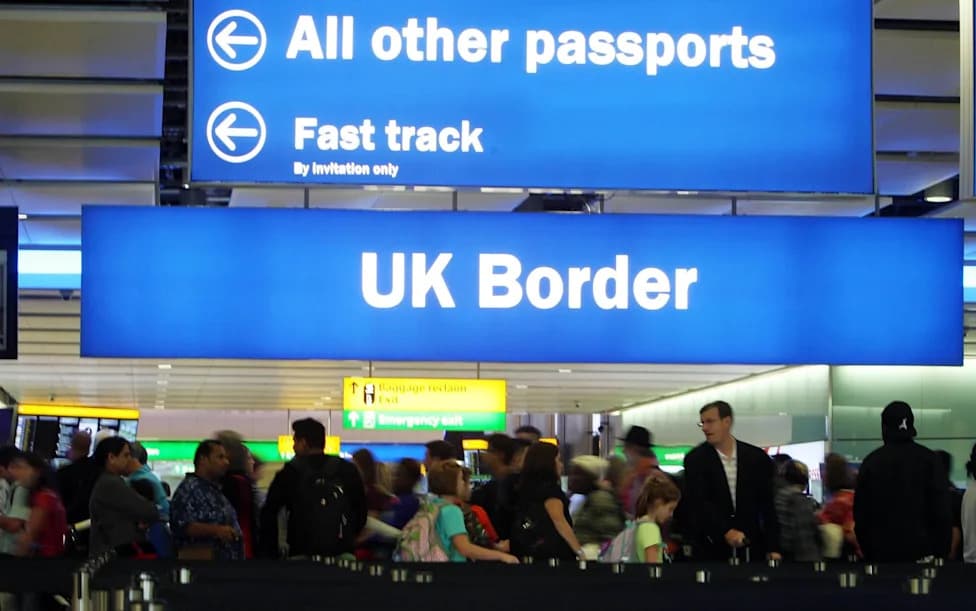
Under new British Home Office reforms, refugee status for adults and their accompanying children will be reviewed every 30 months (SHAUN CURRY)(SHAUN CURRY/AFP/AFP)
The United Kingdom's sweeping overhaul of its asylum system takes effect on March 2, the Home Office confirmed, instituting rules that significantly reduce long-term protections for refugees and their children.
Key change: Under the new regime, refugee status for adults and any accompanying children will be temporary and subject to review every 30 months. The Home Office said: "Refugee status will become temporary and subject to review," and that those "whose countries are now deemed safe will be expected to return home" while people with a continuing need for sanctuary will have their protection renewed.
The package includes an exception for unaccompanied minors, who will retain protected status for a five-year period "while the Government considers the appropriate long-term policy for this group." Other proposed measures — such as increasing the required wait for permanent residency from five years to 20 years — would need parliamentary approval before becoming law.
Political Context and Reactions
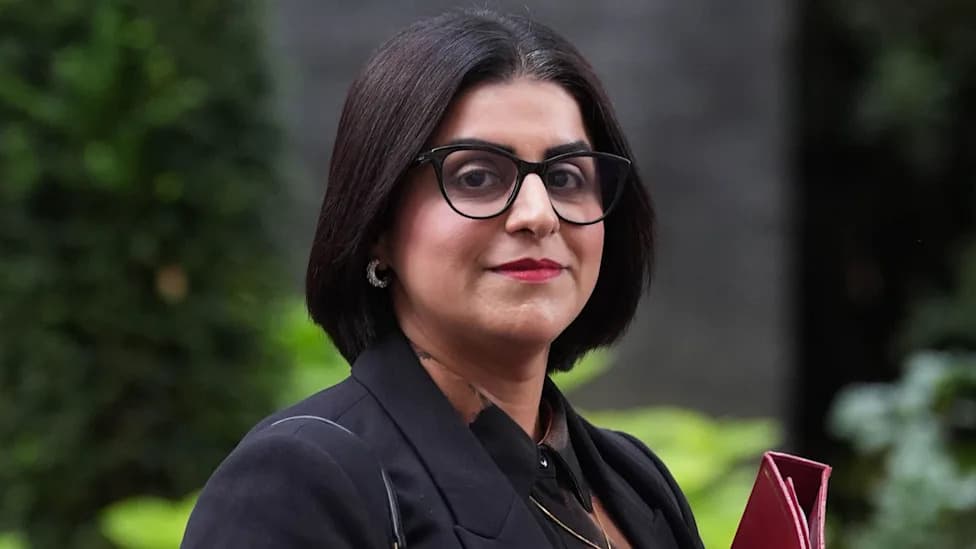
Home Secretary Shabana Mahmood said the previous system was too generous compared with other European states and argued the changes are needed to avoid creating "pull factors" that encourage dangerous journeys and empower traffickers. Officials have also signalled the tougher stance is intended to blunt rising public support for Nigel Farage's Reform UK party.
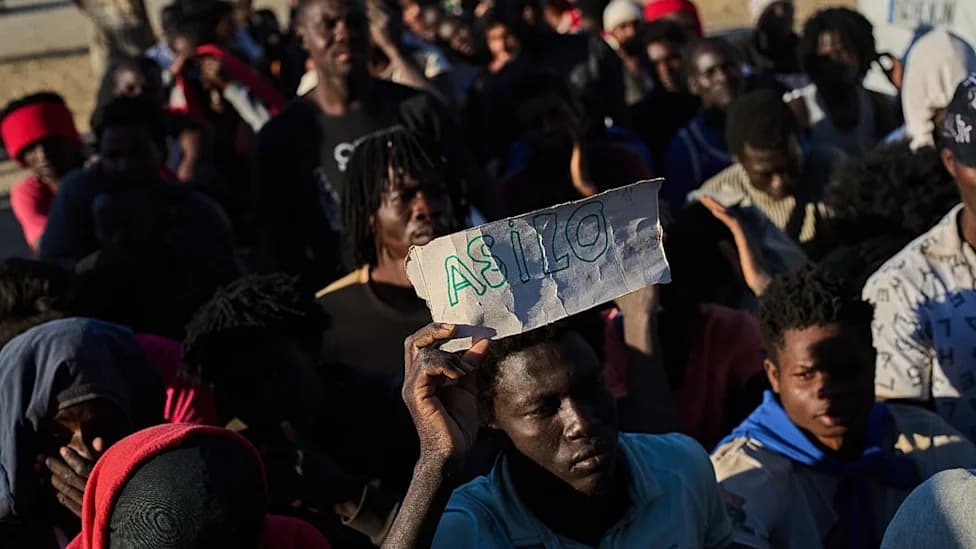
Charities and lawmakers, including members of Prime Minister Keir Starmer's Labour Party, have strongly criticized the reforms. Critics warn the changes risk uprooting refugees who have begun to settle in Britain and could leave vulnerable people with less security.
Statistics And International Comparison
The government says it took inspiration from Denmark, which tightened immigration rules and subsequently recorded its lowest level of asylum applications in 40 years. According to a Home Office report published in November, more than 110,000 people — many fleeing conflict — claimed asylum in the UK in the year ending September 2025, a 13% increase on the previous year and 7% above the earlier peak of 103,081 in 2002.
The top five nationalities claiming asylum were Pakistan, Eritrea, Iran, Afghanistan and Bangladesh. While applications reached record highs, the number of refusals rose sharply in 2025, and initial-stage approvals increased slightly compared with 2024.
Home Office (statement): "Refugee status will become temporary and subject to review."
This reform marks one of the most significant shifts in Britain's asylum policy in recent years and is likely to remain the subject of intense parliamentary and public debate as further measures require legislative approval.
Help us improve.