The European Union Agency for Asylum reports that roughly 332,000 people applied for international protection in the EU, plus Switzerland and Norway, in the first half of 2026 — a 17% year‑on‑year decline. France, Italy, Spain and Germany received the largest numbers, while Greece had the highest rate per capita (≈23,000 claims). About 31% of applicants were granted protection at first instance. The fall coincides with intensified cooperation with origin and transit countries and the EU’s new Pact on Migration and Asylum taking effect on 12 June.
Asylum Requests in Europe Fall to Five‑Year Low as New EU Pact Takes Effect
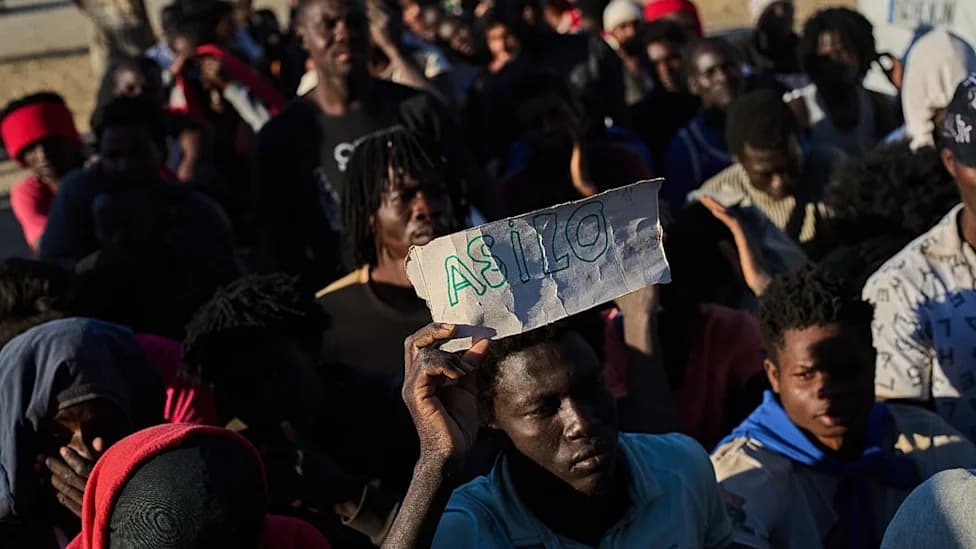
Asylum requests in Europe drop to five-year low in first half of 2026
Asylum applications across the EU, together with Switzerland and Norway, fell to a five‑year low in the first half of 2026, according to data published by the European Union Agency for Asylum (EUAA).
Key figures
About 332,000 people applied for international protection in the first six months of 2026 — a 17% decline compared with the same period in 2025, continuing a downward trend that began in 2024.
What drove the drop
The EUAA pointed to Syria's ongoing political transition and strengthened EU cooperation with origin and transit countries as major factors. The agency also noted that recent escalations in Middle East conflicts did not produce a corresponding rise in asylum requests in Europe.
Where applications were lodged
France received the most applications (about 69,000), followed by Italy (around 66,000). Spain and Germany each recorded roughly 55,000 claims. On a per‑capita basis, Greece saw the highest number — near 23,000 claims, equivalent to about one application per 400 residents.
Decisions and nationalities
At first instance, 31% of applicants were granted international protection, with refugee status granted more often than subsidiary protection. Recognition rates were highest for applicants from Mali (87%), Haiti (84%) and Afghanistan (73%).
The largest applicant groups by nationality were Afghans (39,000), Venezuelans (33,500) and Bangladeshis (19,500).
Policy context
These figures follow the entry into application of the EU's new Pact on Migration and Asylum on 12 June, which overhauled parts of the bloc's migration and asylum framework. The pact introduced mandatory checks at the EU's external borders and faster procedures for examining asylum requests. The EU has also signed agreements with countries such as Tunisia and Mauritania linking financial assistance to strengthened border controls to curb irregular migration flows.
Why it matters: The decline reduces immediate pressure on some national asylum systems and may influence policy debates and resource allocation across the bloc. Nevertheless, migration dynamics remain sensitive to political and security developments in origin countries and along migration routes.
Help us improve.