Official counts list about 730 million people without electricity, but a 2024 satellite study estimates roughly 1.18 billion show no nighttime electricity use. Progress in electrification has stalled since 2020, with the largest shortfalls in Sub‑Saharan Africa and remote island states. Solar‑plus‑storage is becoming cheaper and more reliable, but universal, dependable power will require sustained finance, better governance, and planning that factors in climate risks.
A Billion in the Dark: The Global Energy Crisis We Still Aren’t Talking About
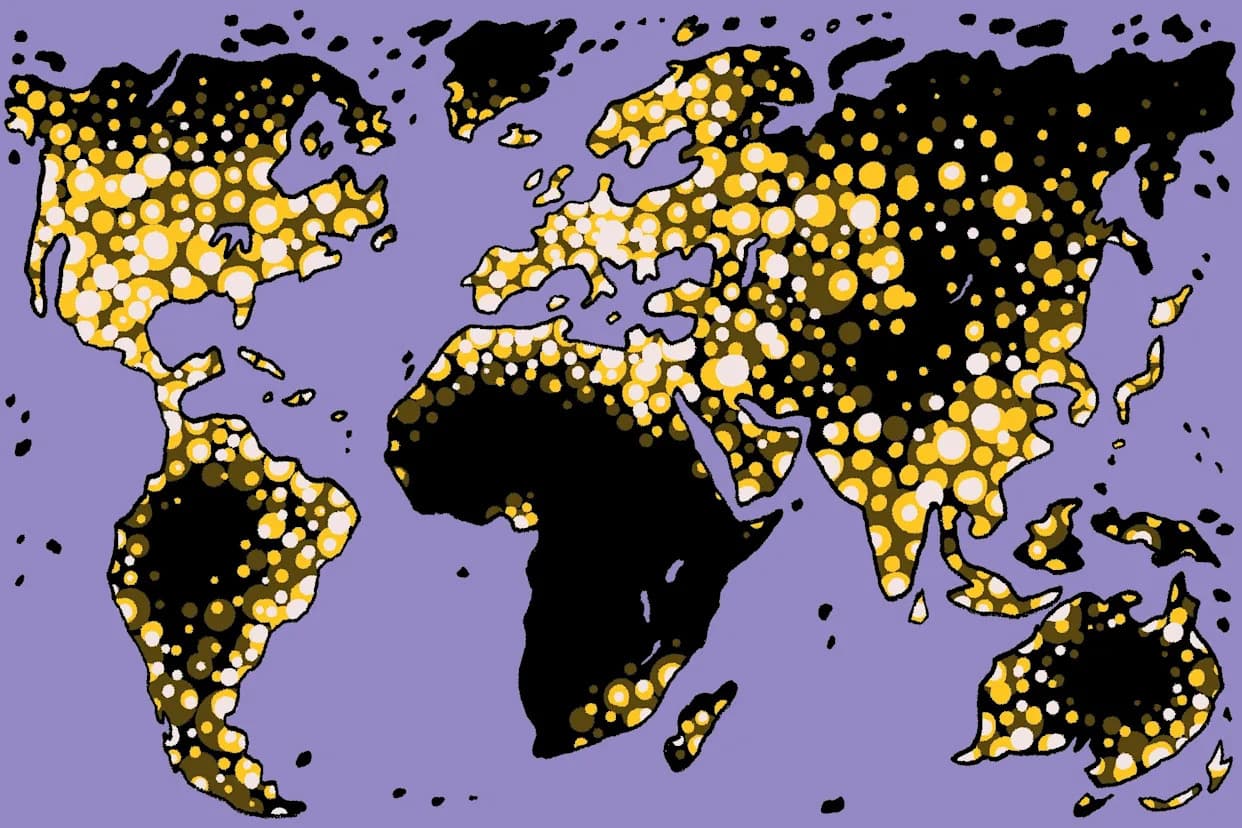
an illustrated world map covered with yellow lights. Several areas, including most of Africa and central Australia are left dark
The world is hungrier for electricity than most of us realize. Official tallies put the number of people without power at about 730 million, but a 2024 satellite analysis suggests the true figure is closer to 1.18 billion — roughly one in seven people on Earth. Progress in extending reliable electricity has largely stalled since 2020, and the largest concentrations of the unelectrified live in Sub‑Saharan Africa and remote island states.
The Scale Of The Problem
Counting energy access is harder than it looks. Governments often rely on self-reported data and infrequent surveys; utilities and censuses miss remote households. A seven‑year satellite study led by Brian Min (published in Joule, 2024) analyzed nightly lights to identify where electricity is actually used and found about 60% more people living without evidence of nighttime electricity than official estimates suggest.
Access Isn’t Enough
Official records list roughly 447 million people as connected to a grid who nevertheless don’t use power. Millions more who do have connections face frequent outages, load‑shedding, or bills they cannot afford. In short, “access” must mean dependable, affordable power that supports productive uses — not just a lightbulb.
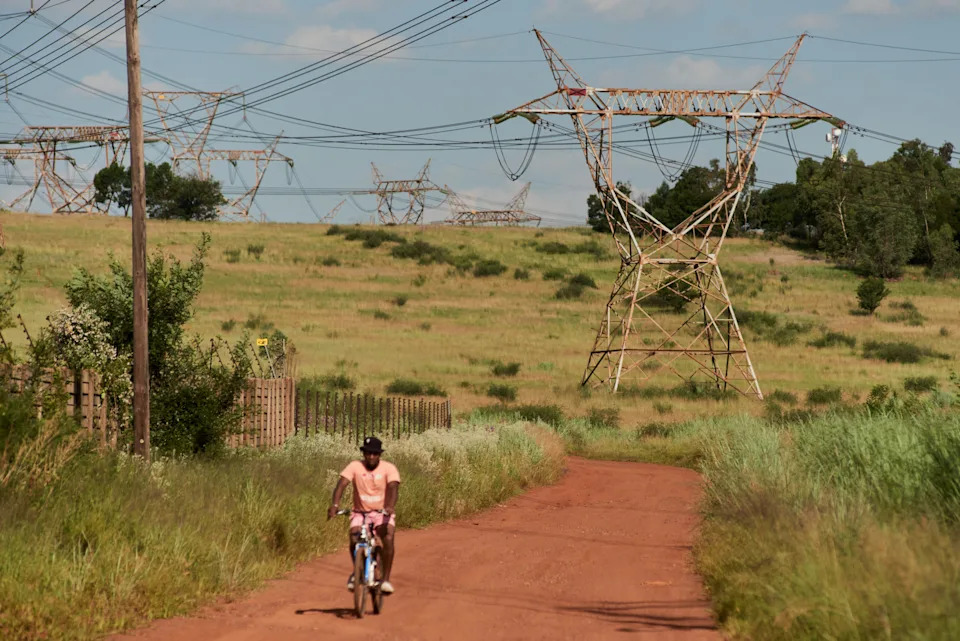
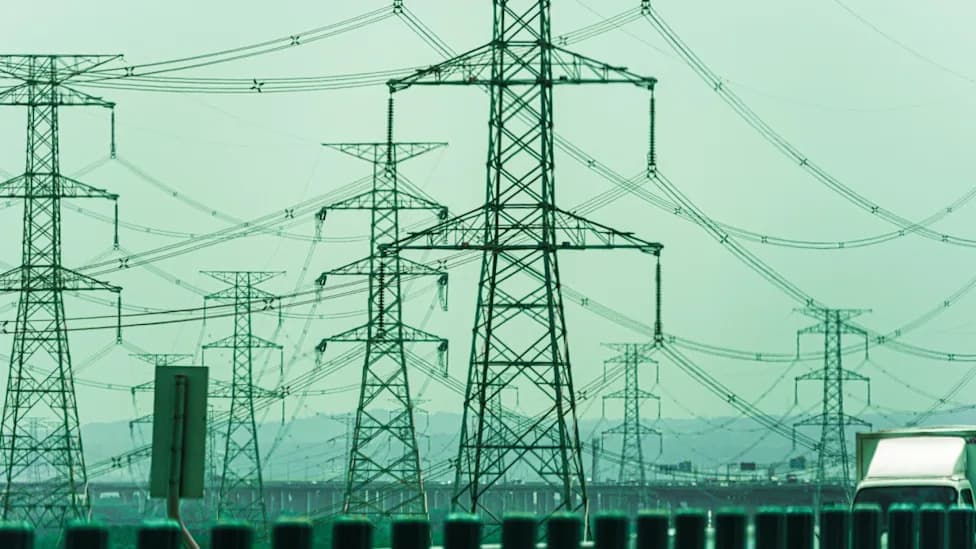
A man cycles past power lines in Pretoria, South Africa. | Waldo Swiegers/Bloomberg via Getty Images
Where The Gaps Are And Why They Persist
Much of the unelectrified population lives in sparsely populated, hard‑to‑reach areas where building conventional generation and long transmission lines is costly. Oceania’s progress has plateaued around 80% because many small Pacific islands can’t hook into larger continental grids. Sub‑Saharan Africa has expanded access steadily, but rapid population growth has offset much of the gain: between 2020 and 2023 roughly 35 million people gained access while the region’s population grew by about 30 million.
Governance Matters
Electricity access is not just a technical or financial problem — it’s political. Investment tends to concentrate in wealthier, politically powerful urban areas. Where democratic institutions and public accountability have strengthened, rural electrification has improved. Kenya, for example, moved from single‑digit access in the 1990s to more than 75% today alongside institutional reforms.
Cooking Is A Critical Tipping Point
True, transformative access means more than lighting. Cooking is a major test: millions rely on biomass (wood, dung, charcoal) and kerosene, causing dangerous indoor air pollution and consuming hours of women’s time. Electric cooking could improve health and free time, but it requires substantial and steady power capacity — far more than the few watts provided by basic solar lights.
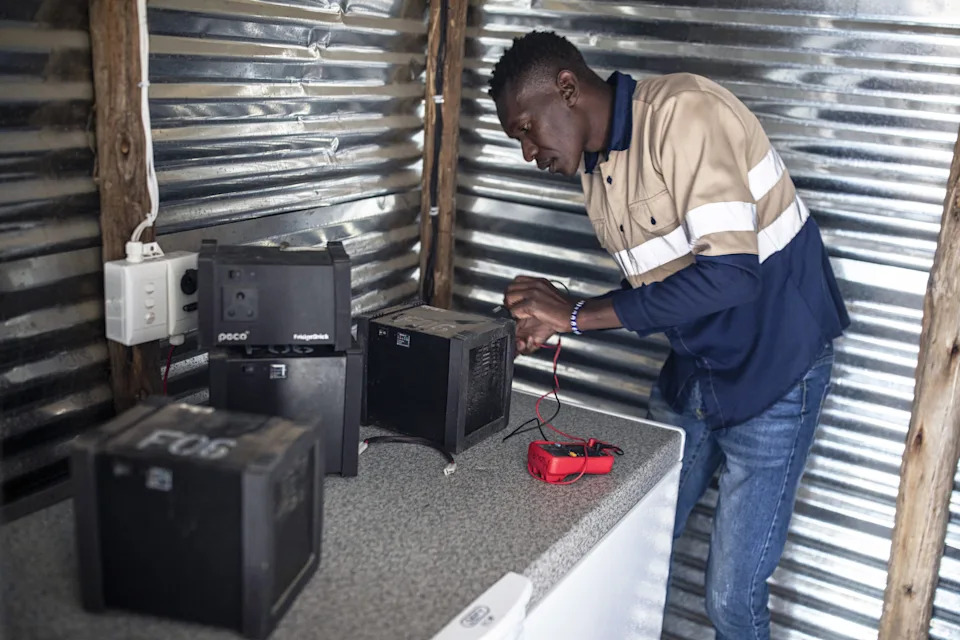
Mzwandile Makhuba, a technician, repairs power brick units for a solar-powered fridge in Nomzamo, Mpumalanga Province, South Africa. | Per-Anders Pettersson/Getty Images
The Promise And Limits Of Renewables
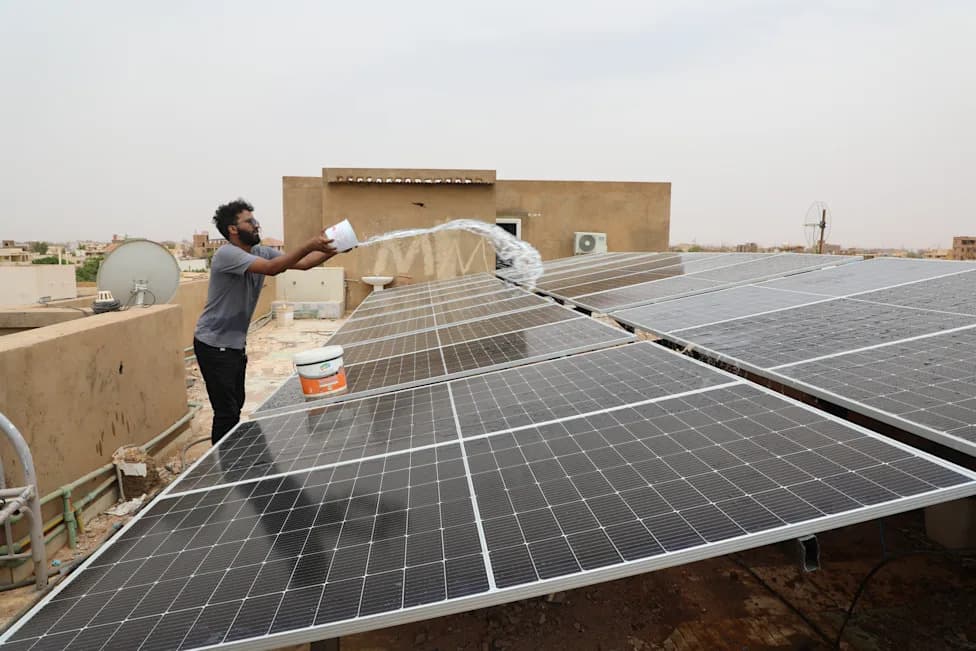
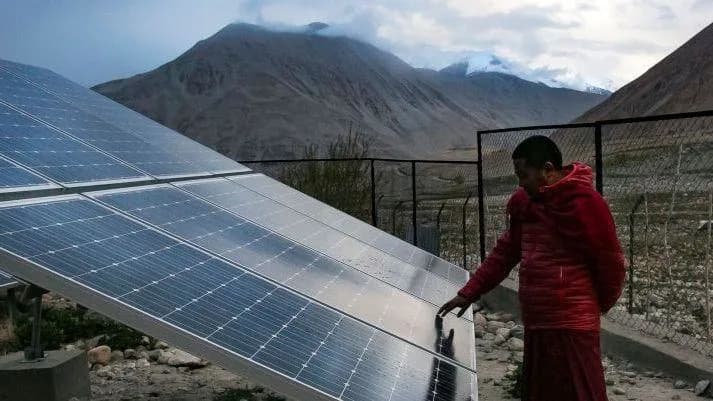
Renewables are expanding rapidly: record additions of wind, solar, and storage have put more clean electricity on grids even as global fossil‑fuel consumption hit a high in 2025. Equipment prices for solar and batteries have fallen, and solar‑plus‑storage systems are becoming a credible path to reliable off‑grid supply. But deployment still needs large up‑front investment, maintenance capacity, and protection from climate disasters that can damage fragile infrastructure.
Finance, Climate Risk, And The Road Ahead
At recent climate talks, countries pledged about $1.3 trillion in financing to help lower‑income nations cut emissions and adapt. Donor shortfalls have left some countries investing in local fossil fuels to drive development. To reach the last billions, the world needs better governance, more predictable financing, climate‑resilient planning, and investments that prioritize reliability and local capacity.
Bottom line: The global trend is positive — more people have electricity than ever before — but closing the final gap and ensuring dependable, affordable power for everyone requires bigger, smarter investments and stronger institutions. In a hotter, more crowded world, delaying electrification carries a real human cost.
Sources: International Energy Agency estimates; Min et al., Joule (2024) satellite analysis; reporting from energy researchers and practitioners.
Help us improve.