The Supreme Court ruled that President Trump lacked authority under the International Emergency Economic Powers Act (IEEPA) to impose tariffs, prompting him to invoke other statutes and announce a temporary import surcharge (first 10%, later 15%). Chief Justice John Roberts and a majority emphasized that Congress, not the president, holds clear power to levy taxes and duties, and that broad executive claims require unmistakable statutory authorization. Justices Gorsuch and Barrett concurred on major‑questions grounds; the Democratic justices agreed IEEPA does not confer unbounded tariff power. The decision reinforces the separation of powers and procedural limits on tariff authority.
Supreme Court Rejects Broad IEEPA Tariff Power; Upholds Congressional Primacy
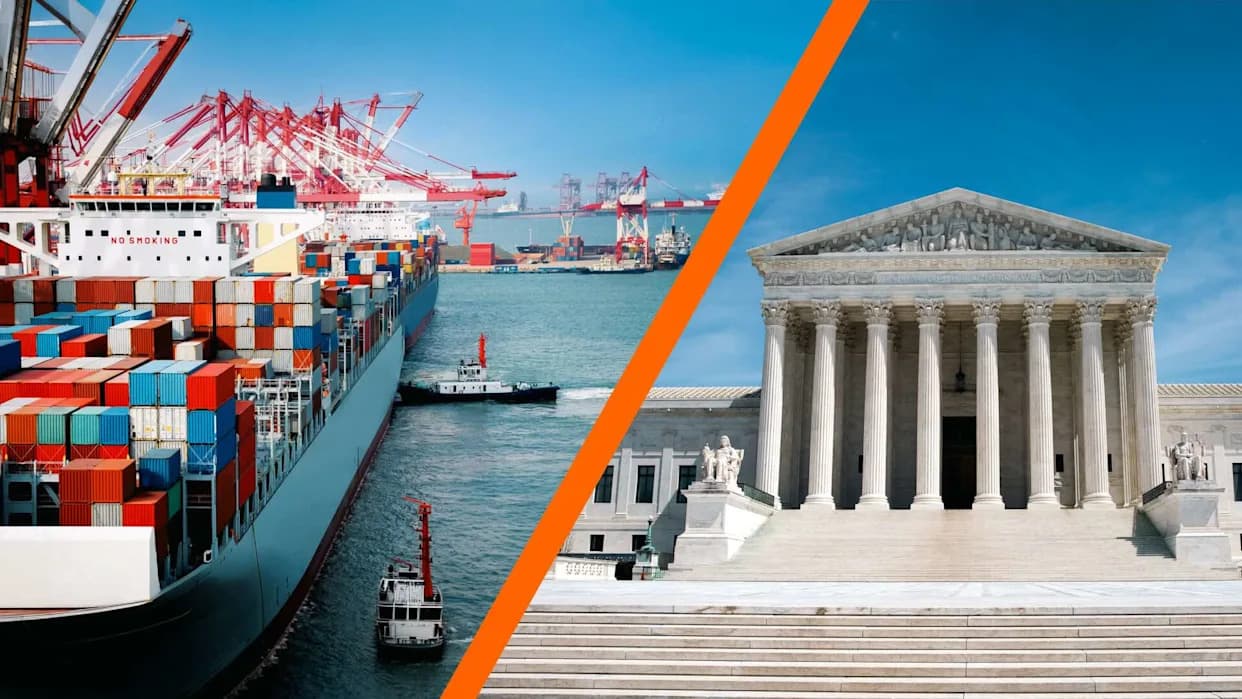
The Supreme Court's Tariff Decision Vindicates the Rule of Law and the Separation of Powers
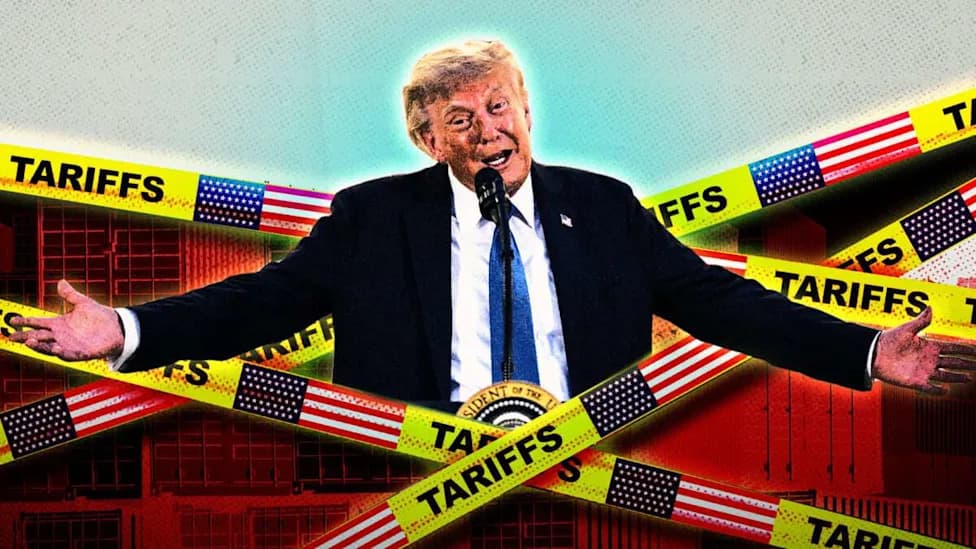
On Friday the Supreme Court held that President Donald Trump lacked authority under the International Emergency Economic Powers Act (IEEPA) to impose tariffs — a ruling that undercut the administration’s most expansive view of executive power over trade. Within hours of the decision, the president announced a "temporary import surcharge" initially set at 10 percent and later raised to 15 percent, and indicated he might rely on other statutory authorities to pursue tariffs.
Background
The administration argued that IEEPA authorized the president to levy tariffs on imports whenever an "unusual and extraordinary threat" from abroad created a "national emergency." That sweeping interpretation would have allowed the executive branch to reshape tariff policy without the clear, specific delegation from Congress that the Constitution assigns to lawmakers.
The Court's Reasoning
Chief Justice John Roberts emphasized that the Constitution vests Congress with the power to "lay and collect taxes, duties, imposts and excises," and that if Congress had intended to delegate broad tariff powers to the president, it would have done so expressly. "When Congress grants the power to impose tariffs, it does so clearly and with careful constraints," he wrote. "It did neither here."
"When Congress grants the power to impose tariffs, it does so clearly and with careful constraints. It did neither here." — Chief Justice John Roberts
The Court noted that other statutes the administration later cited to justify tariffs — authorities invoked for national security, to counter allegedly discriminatory trade practices, to help U.S. manufacturers adjust, or to address international payments imbalances — all contain procedural requirements or limits. Those laws often require agency findings, investigations, or impose caps on scope or duration, underscoring that Congress had not surrendered unchecked tariff authority to the president.
The Major Questions Doctrine And The Justices' Views
Roberts concluded that the administration’s reading of IEEPA ran afoul of the so‑called "major questions" doctrine, which requires clear congressional authorization before the executive may resolve issues of vast economic or political significance. Justices Neil Gorsuch and Amy Coney Barrett — both appointed by Mr. Trump — concurred, stressing that the Constitution assigns lawmaking to Congress and that extraordinary delegated power requires unmistakable congressional authorization.
"The President must identify clear statutory authority for the extraordinary delegated power he claims. That is a standard he cannot meet." — Justice Neil Gorsuch
The Court’s three Democratic appointees — Justices Sonia Sotomayor, Elena Kagan, and Ketanji Brown Jackson — reached the same outcome without relying on the major questions doctrine, concluding that IEEPA cannot reasonably be read to grant the unbounded authority the administration claimed.
Aftermath And Significance
Following the decision, Mr. Trump called the ruling "terrible" and "deeply disappointing" and publicly criticized Justices Gorsuch and Barrett. Those personal attacks did not affect the legal analysis: the opinions underscore that judges’ duties run to the Constitution and statute, not to political loyalties.
The ruling reinforces two central principles: first, that taxation and tariff powers remain rooted in Congress unless it clearly and explicitly delegates them; and second, that courts will scrutinize executive claims to sweeping economic authority absent unmistakable legislative permission.
Note: The administration continues to have other statutory routes to adjust tariffs, but those statutes impose procedural requirements and limits that constrain unilateral executive action.
Help us improve.