The U.S. Army’s 11th Airborne Division trains in Alaska’s Yukon Training Area to learn how to survive and fight in extreme Arctic conditions, where temperatures can approach 30°F below zero and frostbite is a constant risk. Soldiers require roughly 5,000 calories a day, specialized equipment like the CATV for mobility, and focused medical and logistical training. Commanders say the harsh environment can be used tactically, while warming Arctic conditions have increased activity by Russia and China, prompting U.S. lawmakers to press for greater readiness.
Frostbite and Frozen Weapons: Inside the 11th Airborne’s Arctic Survival and Combat Training
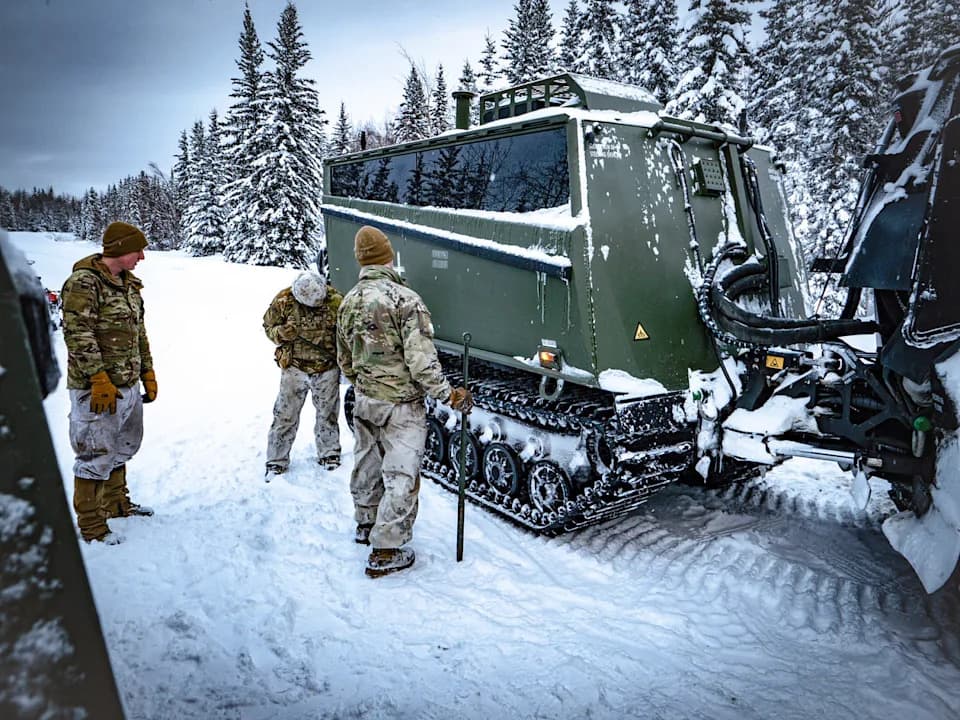
Soldiers of the 11th Airborne Division inspect a cold-weather all-terrain vehicle. (Mosheh Gains / NBC News)(Mosheh Gains)
At the Yukon Training Area in Alaska, soldiers from the U.S. Army's 11th Airborne Division — nicknamed the Arctic Angels — train to operate in some of the harshest conditions on Earth: temperatures near 30 degrees below zero, punishing winds, near-constant snowfall and only a few hours of daylight.
Harsh Conditions, Real Consequences
Those extremes strain both people and gear. Weapons can freeze, batteries drain faster, and movement across the terrain takes much longer. Medics routinely check fingers and toes for frostbite, which can develop quickly — even from grabbing a frozen weapon without gloves.
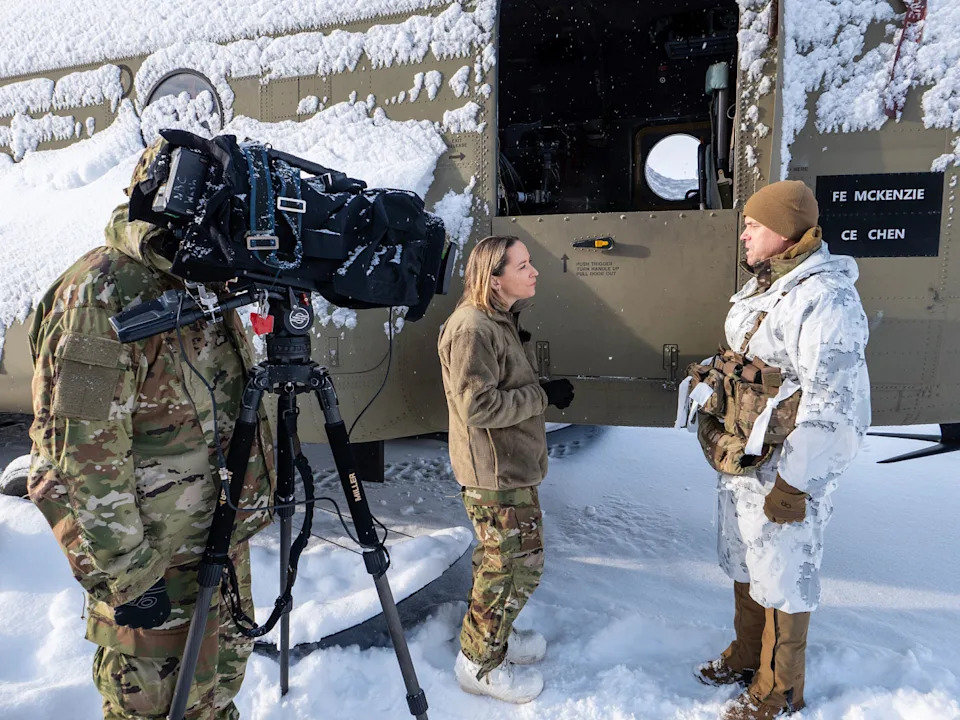
NBC News' Courtney Kube interviews Maj. Gen. John Cogbill, commanding general of the Army's 11th Airborne Division, in Yukon Training Area, Alaska. (Mosheh Gains / NBC News)(Mosheh Gains)
Maj. Gen. John Cogbill, commanding general of the 11th Airborne Division, summed it up: "Everything's harder in the Arctic. Just surviving up here is a challenge in and of itself."
Training For Survival And Combat
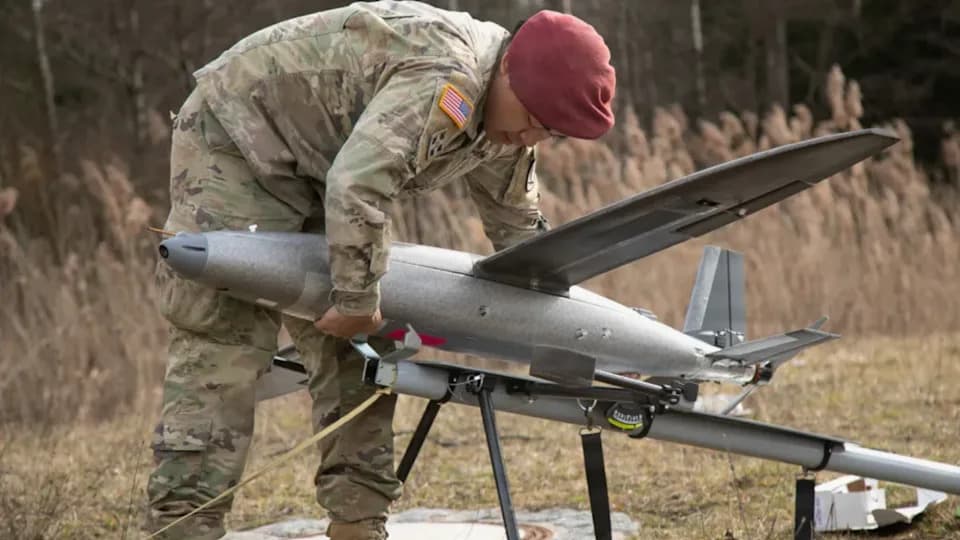
Before deployments, soldiers undergo intensive cold-weather training to learn how to remain effective in extreme cold. Troops need around 5,000 calories a day to sustain activity and often operate on the motivation of a hot meal or a chance to warm up. Training covers individual cold-weather medical care, movement over snow and ice, and extended logistics planning.
Mobility And Equipment
Mobility in remote Arctic terrain depends on specialized equipment. A key vehicle is the cold-weather all-terrain vehicle (CATV, pronounced "cat-v"), designed to punch through snow and ice and to traverse shallow water to reach isolated positions regardless of weather.
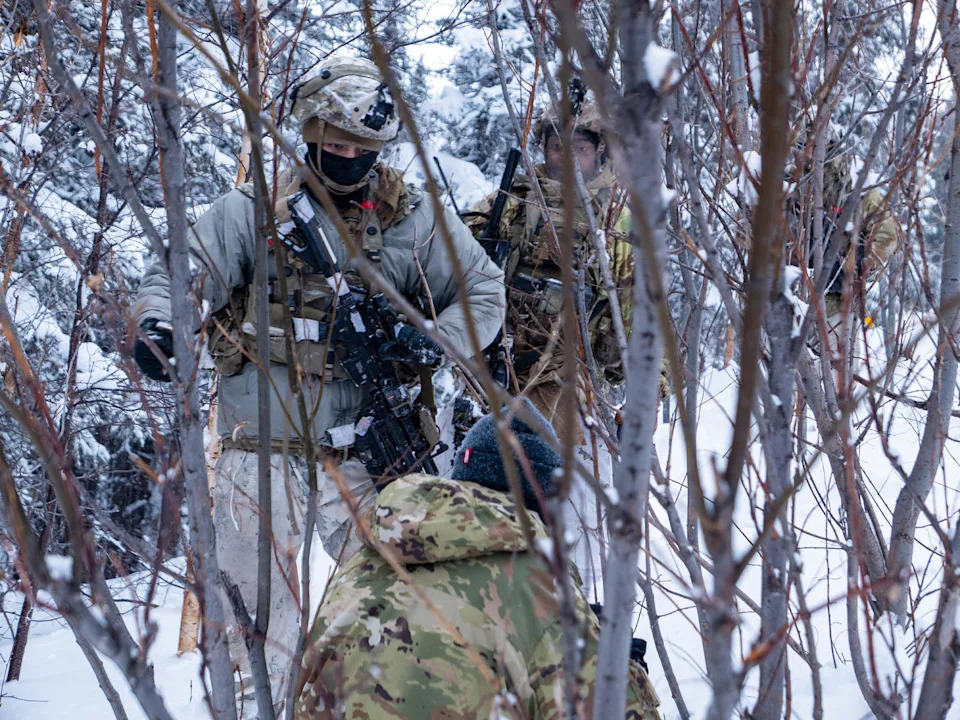
NBC News cameraman Jim Long captures soldiers during an exercise at Joint Pacific Multinational Readiness Center Rotation 26-02 in Yukon Training Area. (Mosheh Gains / NBC News)(Mosheh Gains)
Using The Environment As A Tactical Tool
Commanders emphasize that the environment itself can be a force multiplier. Col. Christopher Brawley, commander of the 11th Airborne’s 1st Infantry Brigade Combat Team, explained that denying an adversary fuel, resupply and shelter allows the climate to degrade enemy forces: "If you sever an enemy's ability to fuel or resupply food, water, and ammunition, the environment takes over and can defeat them."
Geopolitical Stakes: A Warming Arctic
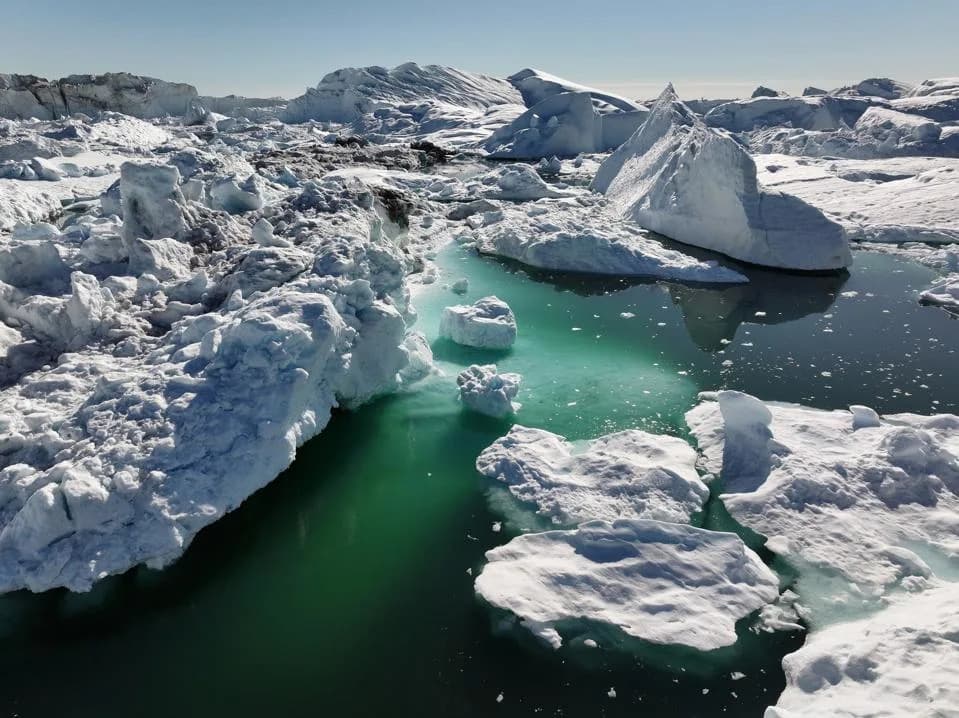
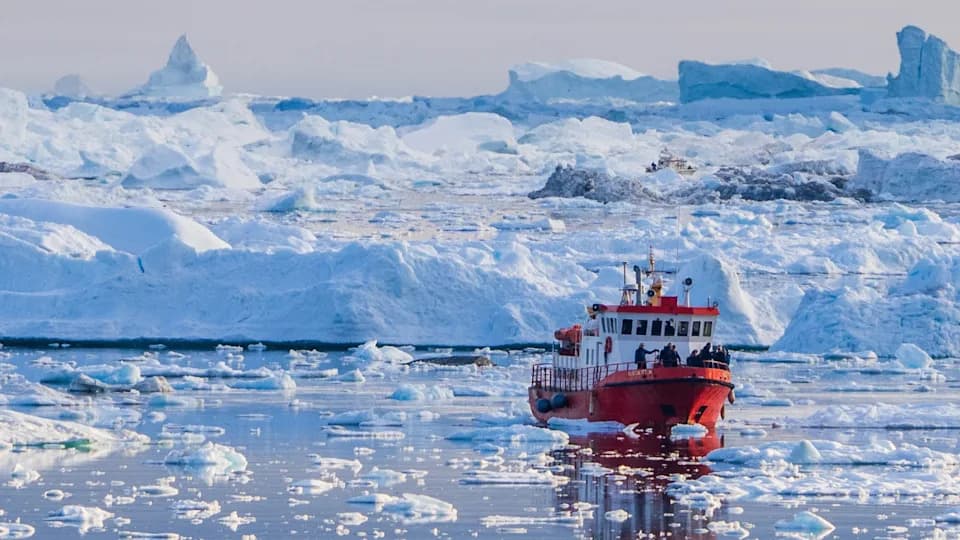
Although still cold, the Arctic is warming, which has opened new sea and air routes. That change has allowed other powers, notably Russia and China, to increase ship and aircraft transits and to hold joint exercises nearer to U.S. Alaska — heightening strategic competition in the region.
Sen. Lisa Murkowski (R-Alaska): "The world has changed. The threat environment has changed, and the environment itself has changed, which has allowed for threats to progress. We need to step up our game."
Political Response And Readiness
Alaska's senators, Lisa Murkowski and Dan Sullivan, have pushed for stronger U.S. readiness in the Arctic. They criticized past lapses in attention to Alaska's strategic role after the Cold War and have advocated expanding U.S. military presence and infrastructure as competition in the region grows.
Source: Reporting and embedded access by NBC News.
Help us improve.