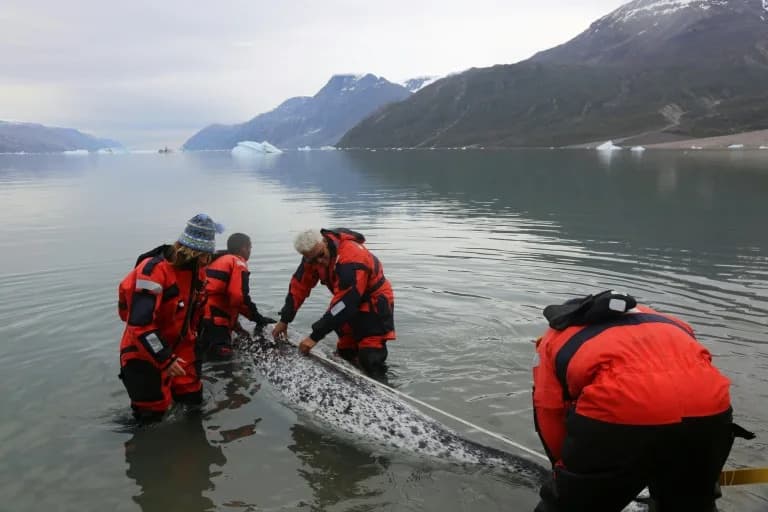
MIT Lincoln Laboratory teams make annual Arctic deployments—building on 2024 sensor work and a March 2026 return with an upgraded geophone—to record ice vibrations and acoustic signatures. Their data helps both ecological research and situational awareness amid increasing activity in newly accessible waters. Missions face severe challenges: extreme cold (down to -25°F / -32°C), high winds, damaged batteries and equipment, and weather-driven delays. Teams also engage local communities in Utqiaġvik through festivals and school outreach.
MIT Lincoln Laboratory’s Annual Arctic Missions: Upgraded Sensors, Harsh Conditions, and Community Outreach
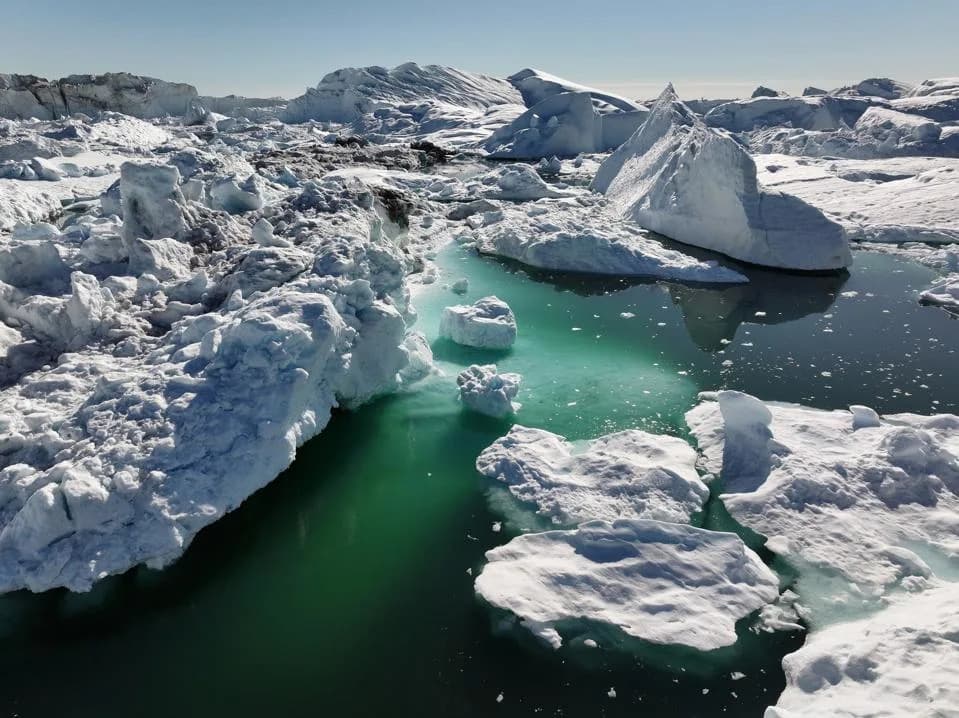
ILULISSAT, GREENLANDGetty Images
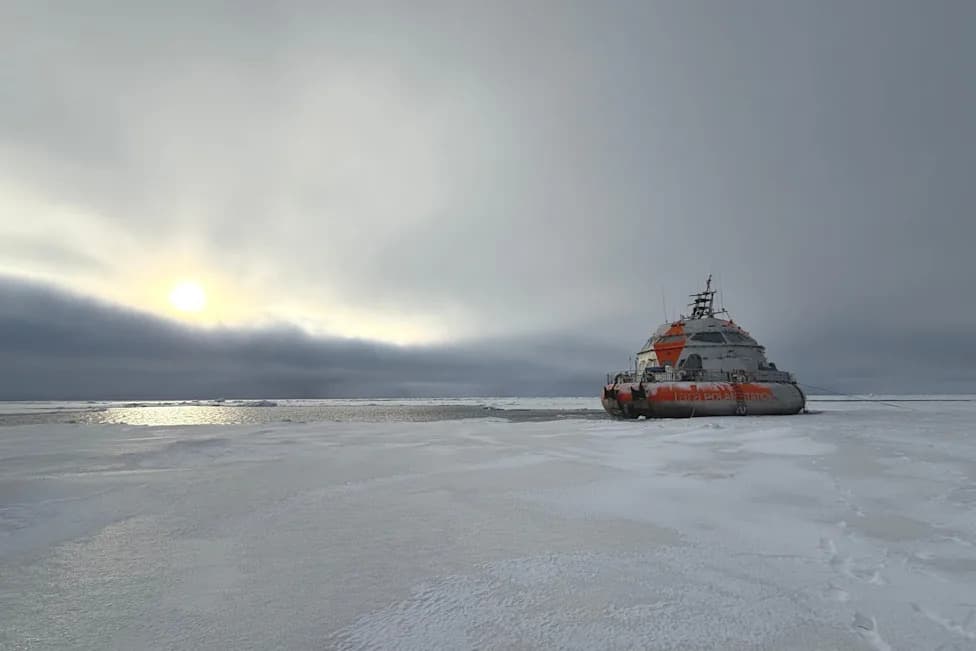
Researchers from MIT Lincoln Laboratory continue to travel to the Arctic each summer to monitor changes across ice-covered regions using cost-effective sensors and higher-fidelity instruments. Teams deployed and tested upgraded geophones and other sensors during exercises such as the U.S. Navy's Operation Ice Camp, collecting acoustic and magnetic-field data that inform both environmental science and situational awareness.
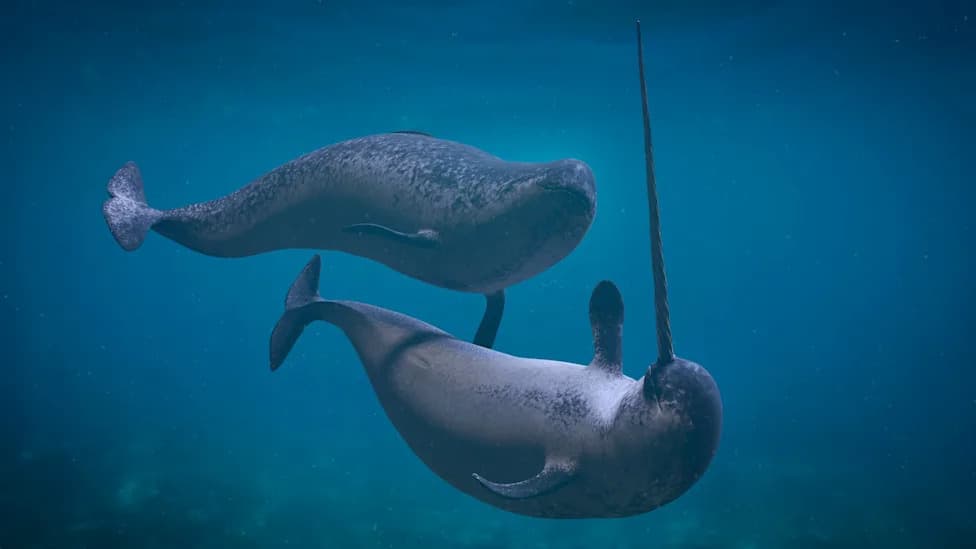
"Beneath the Arctic Ocean is an orchestra featuring natural and human composers, from cracking sea ice and whistling beluga whales to humming shipping-vessel engines," wrote Ariana Gaines in a Lincoln Laboratory report describing early deployments of commercial off-the-shelf sensors in 2024 and the return of an improved geophone in March 2026.
Science, Security, and Environmental Insight
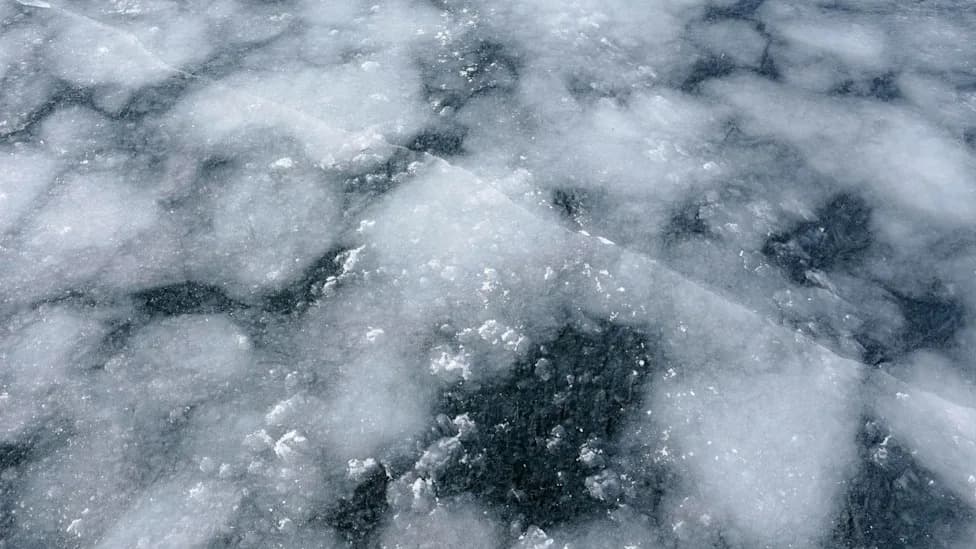
The team analyzes "acoustic signatures"—for example, the sounds of cracking ice—to better understand ice dynamics and to provide higher-resolution data that can support surveillance and maritime awareness. These measurements can help detect vessel activity and other disturbances while also improving ecological assessments in a rapidly changing region.
The U.S. presence in the Arctic includes military installations such as Fort Wainwright, where the Army's 311th Military Intelligence Battalion maintains counterintelligence activities year-round. Lincoln Laboratory's research complements these activities by supplying environmental and acoustic information that informs both scientific and strategic decisions.
Operational Challenges
Fieldwork in the Arctic presents severe technical and human challenges. As David Whelihan explained in a 2025 interview:
"Spanning approximately 5.5 million square miles, the Arctic is huge, and the ice covering much of the Arctic Ocean is decreasing in volume every year. Melting ice opens previously impassable areas, increasing interest in military operations, commercial shipping, and resource extraction. Through Alaska, the United States has roughly 1,060 miles of Arctic coastline that is becoming more accessible, so U.S. activity in the Arctic is a matter of national security."
Whelihan also highlighted practical constraints: extreme cold shortens battery life and limits long-duration, high-rate data collection; dynamic ice can crush or swallow sensors; and deploying people on the ice requires balancing scientific needs with human safety and sustenance.
Field Innovations and Methods
The 2026 mission included efforts to install magneto-inductive transmitters by boring through the ice, testing magnetic-field-based sensing and communications methods. Teams continue to iterate on low-cost, ruggedized sensor packages and deployment techniques to extend operational life and improve data fidelity in subzero conditions.
Community Engagement
Researchers also prioritize local engagement. While in Utqiaġvik in mid-April, the team attended the Piuraaġiaqta spring festival, watched a harpoon-throwing contest, helped proctor a children's snowmobile race, and visited a middle school to teach sonar concepts to eighth graders.
"Connecting with the Arctic community is an important aspect of our work," said Ben Evans, a team member. "Every time we come here, we cross paths with someone we don't expect, learn about their work, and consider how we may collaborate."
These missions combine scientific measurement, engineering innovation, and community outreach to improve understanding of Arctic environmental change and its broader implications. As an MIT alumnus reflected, repeated deployments into extreme conditions help reveal what the ice regions are telling us about the planet's changing climate.
Help us improve.