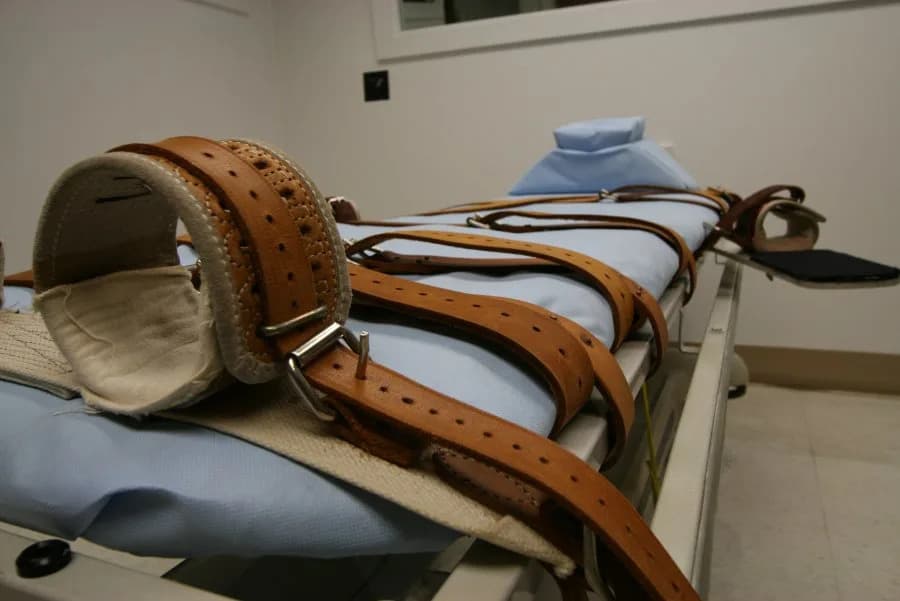
Arizona State Senator Kevin Payne has proposed a constitutional amendment to add the firing squad as an execution option and would ask voters to approve the change this November. Because Arizona's constitution explicitly lists permissible execution methods, any addition requires a voter referendum. The measure follows a history of ballot questions prompted by botched executions — the 1930 hanging of Eva Dugan and the gas‑chamber death of Donald Harding — but the article argues that execution techniques should be determined through legislative and expert review, not popular vote. Lawmakers should instead consider removing execution methods from the constitution or asking voters to abolish the death penalty.
Arizona Proposes Adding The Firing Squad — Execution Methods Shouldn't Be Decided By Voters
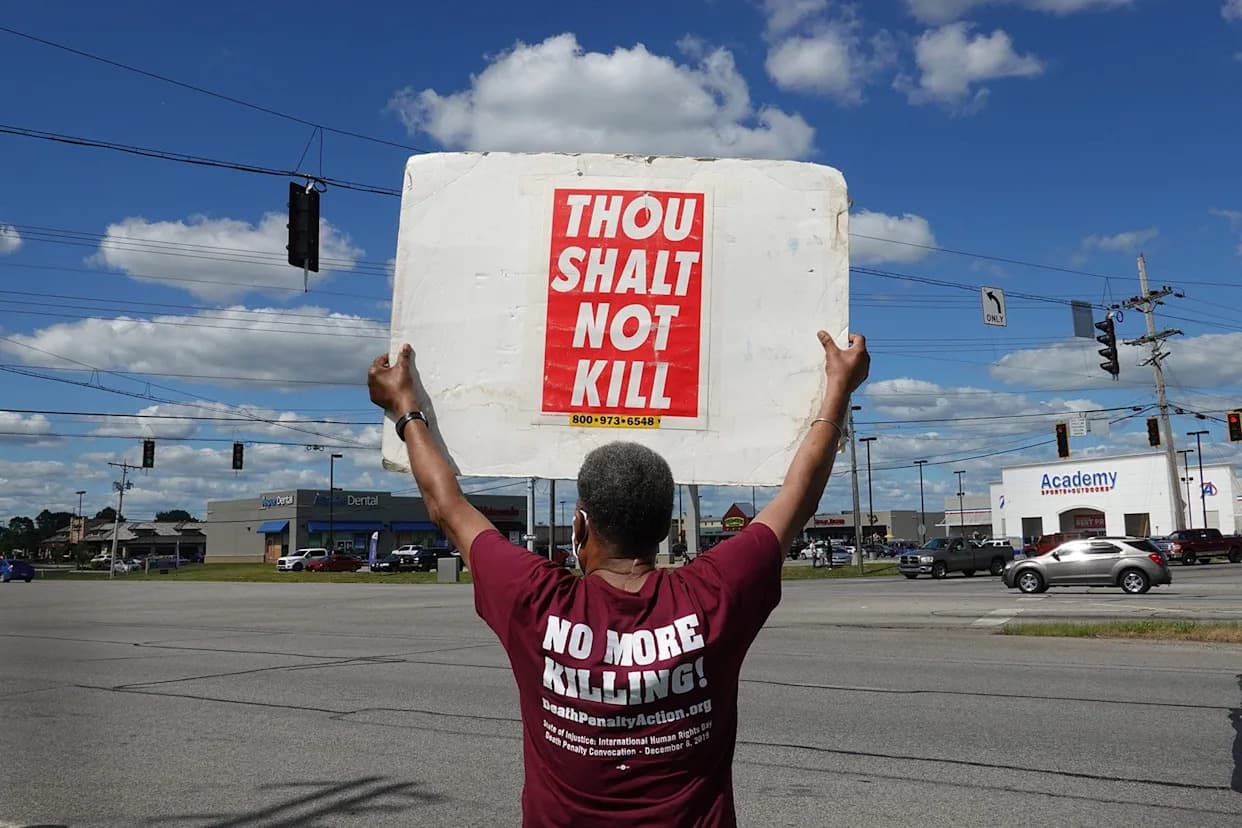
Arizona State Senator Kevin Payne has introduced a proposed constitutional amendment that would ask voters this November to allow the use of the firing squad as a method of execution. Payne argues the change would help the state carry out more death sentences; advocates say it is a response to difficulties obtaining lethal‑injection drugs. Arizona resumed executions in 2022 after an eight‑year pause and has executed five people since, while 109 people remain on the state's death row.
Why This Requires A Vote
Arizona is unusual because its constitution explicitly specifies allowable methods of execution. The current text reads, in part: “The judgment of death shall be inflicted by administering an intravenous injection of a substance or substances in a lethal quantity sufficient to cause death except that defendants sentenced to death for offenses committed prior to the effective date of the amendment to this section shall have the choice of either lethal injection or lethal gas.” Because methods are written into the constitution, adding the firing squad would require a constitutional amendment and therefore a public referendum.
Historical Context
The Grand Canyon State is the only U.S. state to have placed execution‑method questions before voters. In 1933 the legislature put a constitutional amendment on the ballot to authorize lethal gas; the measure passed after a highly publicized, botched hanging in 1930 in which Eva Dugan was decapitated. Decades later, voters approved a constitutional change to make lethal injection the default method — a decision driven by outrage over the gas‑chamber death of Donald Harding, who convulsed and struggled for more than ten minutes as cyanide gas filled the chamber.
What Payne's Proposal Would Do
Senator Payne's amendment would add the firing squad to Arizona's catalog of execution methods and give people facing execution a choice among three options: firing squad, lethal injection, or lethal gas. Lethal injection would remain the default if an inmate does not choose. The amendment would also designate the firing squad as the exclusive method for those convicted of killing a law enforcement officer. It specifies that any firing‑squad execution must be carried out by at least three volunteer shooters and that the shooters must include at least one blank round.
Why The Choice Shouldn't Be A Popular Referendum
There are two separate problems with asking voters to decide how the state should take a human life. First, decisions about the mechanics and constitutionality of executions are technical and moral judgments that call for careful legislative deliberation and expert input — from medical, legal, and ethics professionals — not the rough calculus of a ballot measure. Second, subjecting execution methods to majority vote risks treating some citizens as lesser members of the polity, undermining democratic commitments to human dignity and political equality. Questions that risk denying basic respect to a minority should be constrained by constitutional safeguards and reasoned representative decision‑making.
What Should Be Done
Rather than asking Arizonans to ratify a new method in the constitution, the legislature should consider two alternatives: remove specific execution methods from the constitution and leave method selection to the legislature (with full expert review and judicial oversight for cruel‑and‑unusual concerns), or put the broader question of abolition on the ballot. Embedding execution techniques in a state constitution creates perverse incentives and repeating cycles of reactive change after botched deaths; the better path is reasoned policy and constitutional guardrails.
Bottom line: The mechanics of death are not a technicality to be crowdsourced. Arizona should not ask voters to decide what method the state may use to end a life; lawmakers and courts — informed by experts and constrained by constitutional principles — should make such grave choices.
Help us improve.