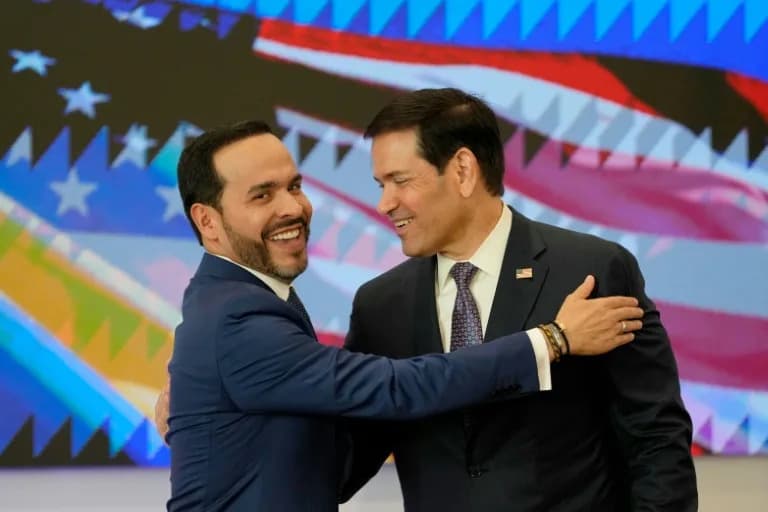
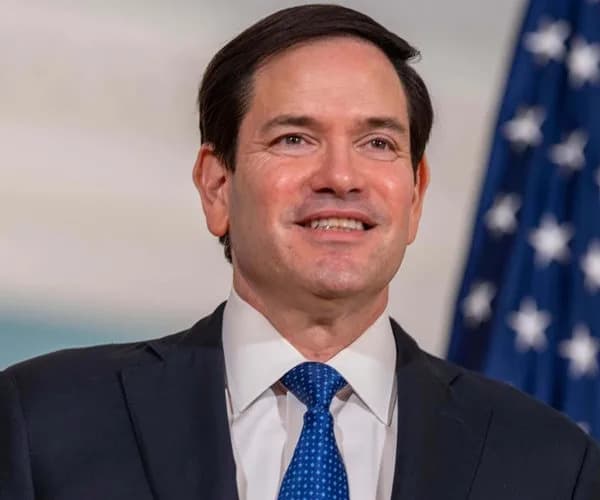
The U.S. ambassador to Chile, Brandon Judd, defended visa bans on three Chilean officials — including Transport Minister Juan Carlos Muñoz — saying the United States has the sovereign right to restrict entry when regional security is at stake. The sanctions, announced by Secretary of State Marco Rubio, cite concerns about a proposed submarine fiber‑optic cable to China. Chile’s President Gabriel Boric condemned the move as unilateral and sovereignty‑infringing; the U.S. says diplomatic channels were exhausted before action was taken.
U.S. Ambassador Defends Visa Bans on Three Chilean Officials Amid Submarine Cable Controversy
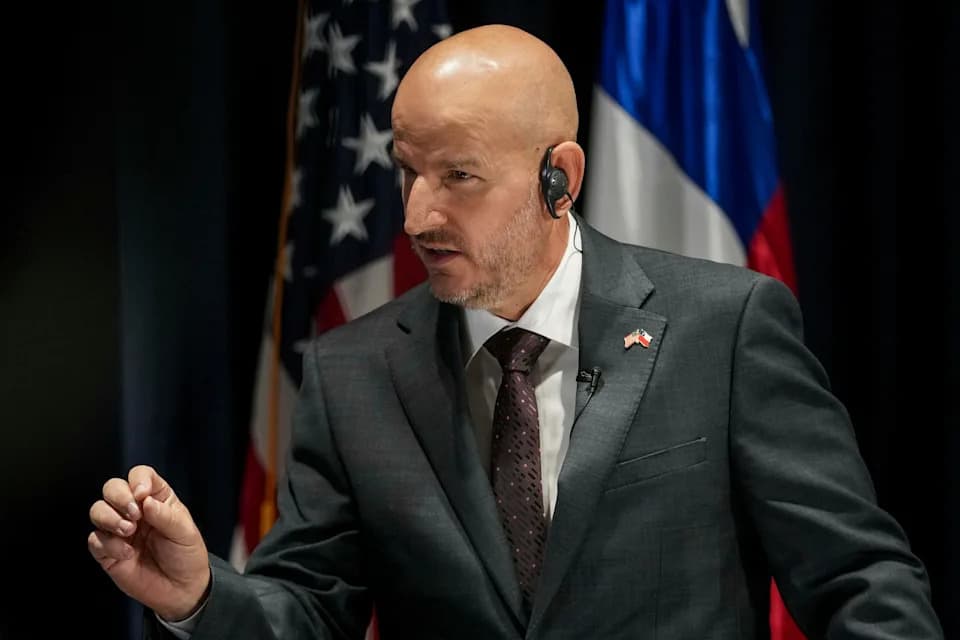
Brandon Judd, U.S. ambassador to Chile, gives a press conference at a U.S embassy in Santiago, Chile, Monday, Feb. 23, 2026. (AP Photo/Esteban Felix)(ASSOCIATED PRESS)
SANTIAGO, Chile — The U.S. ambassador to Chile on Monday defended recent visa restrictions targeting three senior Chilean officials, saying Washington has the sovereign right to decide who may enter its territory.
Ambassador Brandon Judd spoke in Santiago as tensions rose following an announcement by U.S. officials that travel bans had been imposed on the officials for actions the United States says have threatened regional security. Among those publicly identified is Chile’s Minister of Transport and Telecommunications, Juan Carlos Muñoz.
"It’s our sovereign right to take actions when we feel that the region’s security is being threatened," Judd told reporters.
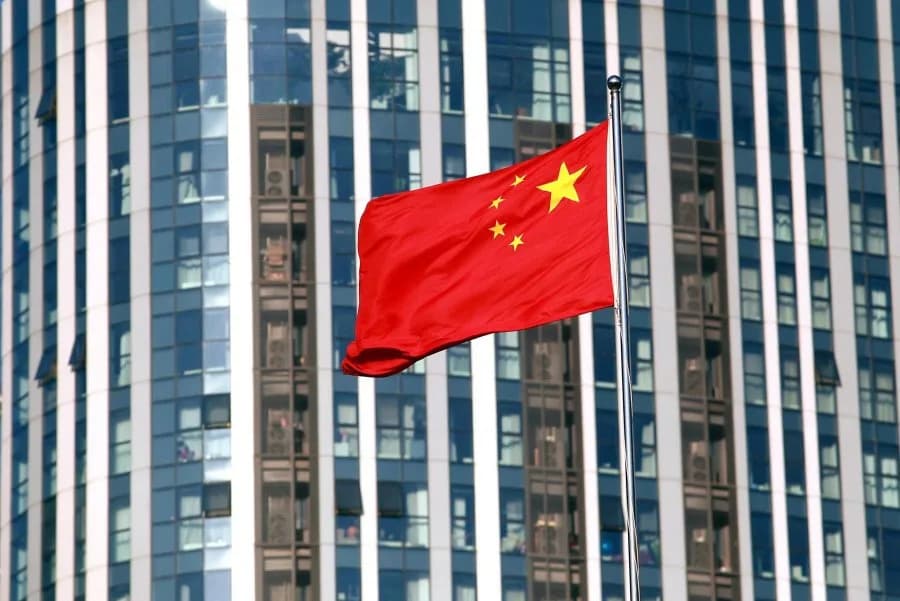
The measures were unveiled by U.S. Secretary of State Marco Rubio, who accused the three officials of engaging in "activities that compromised critical telecommunications infrastructure and eroded regional security." The statement pointed to a proposed, still‑under‑evaluation submarine fiber‑optic cable project that would link Chile with China.
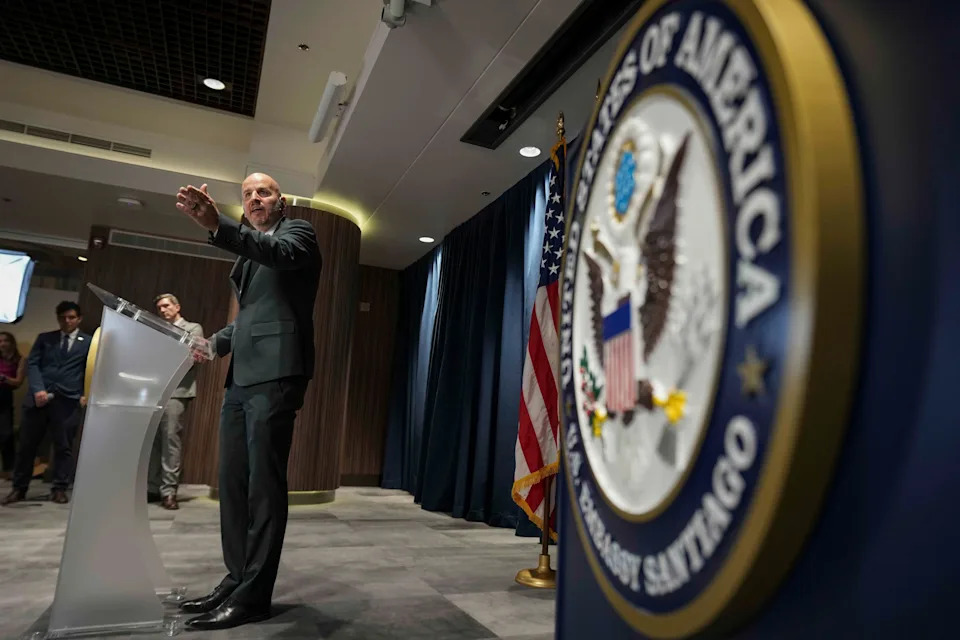
Brandon Judd, U.S. ambassador to Chile, gives a press conference at a U.S embassy in Santiago, Chile, Monday, Feb. 23, 2026. (AP Photo/Esteban Felix)(ASSOCIATED PRESS)
The Chilean government later confirmed that Muñoz is one of the sanctioned officials but did not release the names of the other two. Judd said the United States had exhausted diplomatic channels before imposing the restrictions and argued that Chilean authorities failed to provide sufficient transparency about the cable project despite specific warnings.
“We are not making any threats. What we have strictly told you all the time is that everything we do depends upon communication and security,”
Judd also warned, without naming countries, that there are "many malicious actors in this region that want to cause harm, not just to this region and to Chile, but to the United States as well."
Chile’s left‑leaning government reacted strongly. President Gabriel Boric condemned the move as an example of "indeterminate accusations" and "unilateral sanctions" that infringe on Chilean sovereignty. Boric, who is due to hand over power to José Antonio Kast in two weeks, has been an outspoken critic of U.S. President Donald Trump.
The announcement has further strained relations between Chile and the United States. Ambassador Judd said Washington remains prepared to engage with Chile’s incoming government, adding: "We look forward to working with the new government to provide what the Chilean people demanded."
Follow AP’s coverage of Latin America and the Caribbean at https://apnews.com/hub/latin-america
Help us improve.