Pennsylvania Gov. Josh Shapiro says the April 13, 2025 attack on his home continues to affect him personally even as he campaigns for reelection. He warned that antisemitism exists on both the left and the right and called on leaders to denounce it wherever it appears. Shapiro distinguished between condemning bigotry and engaging in nuanced policy debates about the Middle East and said he remains open to dialogue with critics. He also noted a recent arrest connected to threats against his family and vowed not to be intimidated.
Josh Shapiro on Faith, an Attack on His Home and the Rise of Antisemitism
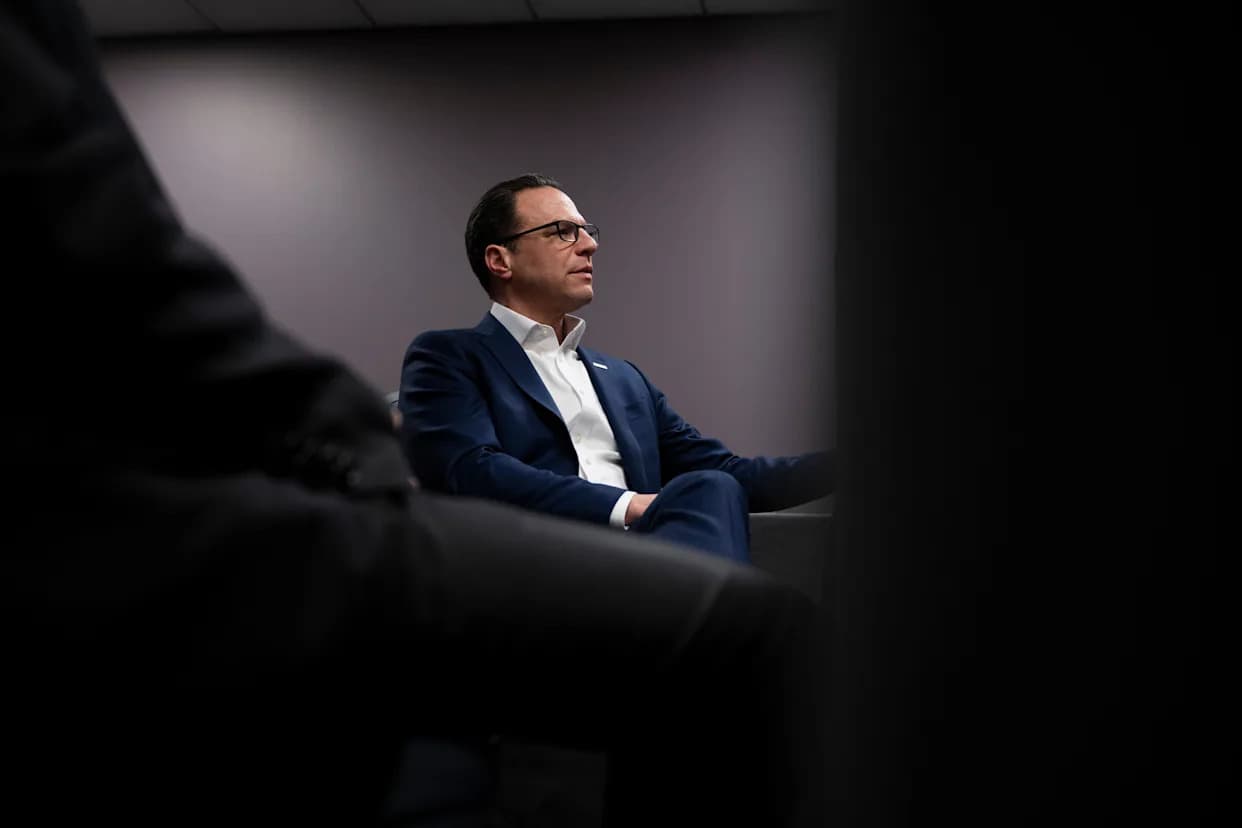
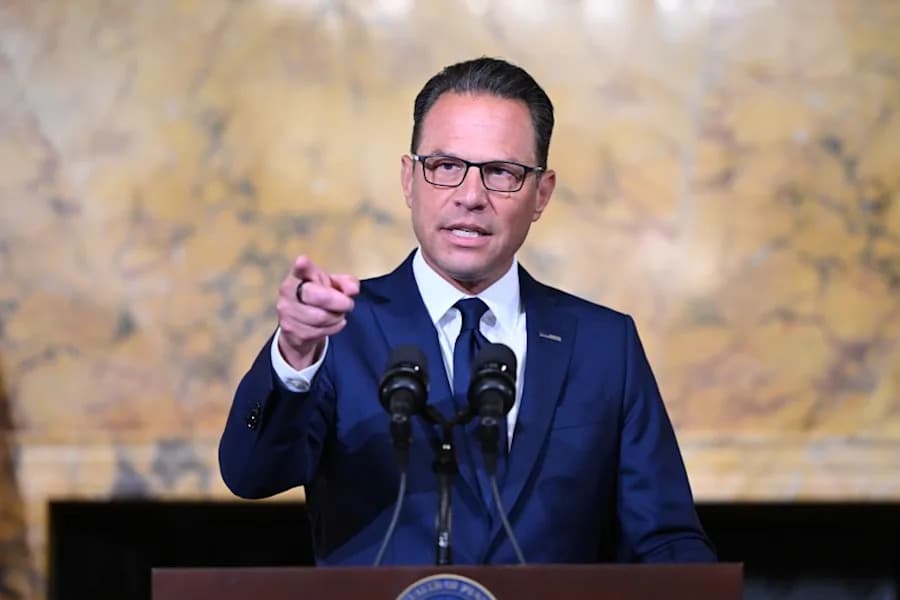
Pennsylvania Gov. Josh Shapiro is seen after a B'nai B'rith Youth Organization International Convention on Thursday, Feb. 12, 2026, in Philadelphia. (AP Photo/Joe Lamberti)(ASSOCIATED PRESS)
PHILADELPHIA — Pennsylvania Gov. Josh Shapiro has begun speaking more openly about his Jewish faith as he campaigns for reelection in a pivotal swing state. As he eyes a high-profile political future, Shapiro is also confronting physical threats to his family and political divisions within his party over Israel's war in Gaza.
Highlights From a Recent Interview
On the April 13, 2025 attack on his home
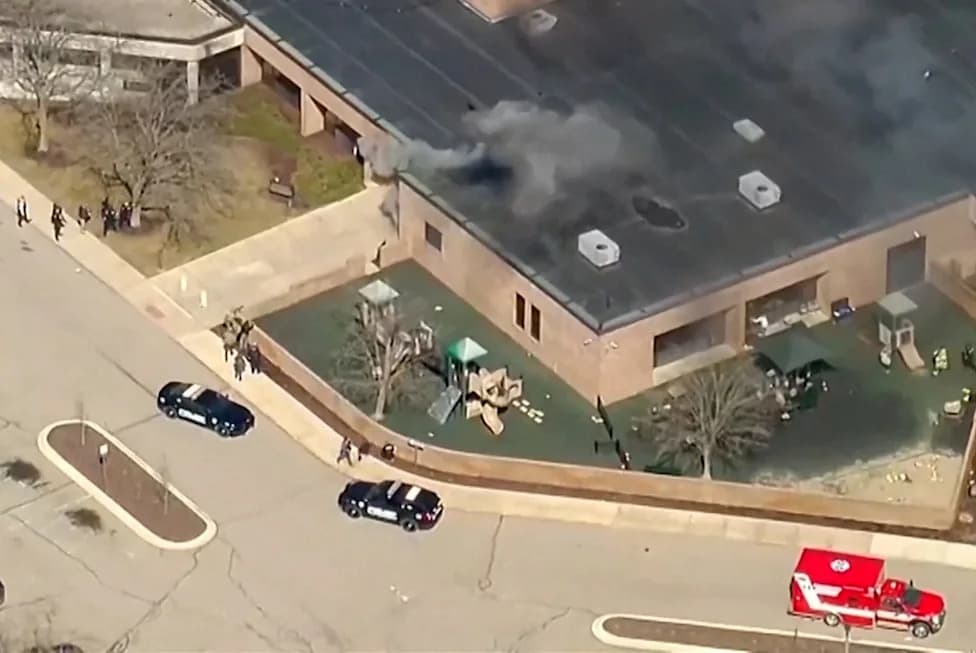
Shapiro said the assault on his family’s house while they slept continues to weigh heavily on him. He acknowledged that, unlike some public figures who have been killed or seriously injured in past attacks, he escaped physical harm. Still, the emotional impact is profound: as a husband and father, he is grappling with the reality that the work he loves and has devoted his life to brought his family close to death.
On antisemitism within American politics
Shapiro warned that antisemitism is a real problem on both the left and the right. He criticized platforms that amplify extremist figures, arguing that giving such voices airtime without condemnation lets antisemitic sentiment fester. He said anyone seeking to lead—whether a nation, state or community—has a duty to call out antisemitism wherever it appears.
On intra-party criticism over his stance on Gaza
The governor drew a clear distinction between two discussions: one that is moral and unequivocal—condemning antisemitism, hatred and bigotry—and another that is a complex, policy-driven debate about U.S. strategy in the Middle East. He urged respectful dialogue with critics who label him with inflammatory nicknames and said he is willing to sit down with anyone prepared for a substantive conversation.
On a vetting question from Vice President Harris' team
Shapiro recalled that Harris' vetting team asked whether he might be a 'double agent for Israel.' He said he answered the question during the process and that the inquiry, which he described in his book as telling about some people around the vice president, was part of the vetting he accepted. He declined to speculate about the questioners' motives and said they must explain themselves.
On how his faith shapes his view of President Trump
Shapiro said he does not consult religion to decide policy positions, but his Jewish faith provides moral guidance: teachings such as love of neighbor, respect for others and caring for the needy inform his outlook. He criticized President Trump for rhetoric and behavior that he called scapegoating and cruel, saying those actions contradict the moral tenets he values.
On confronting antisemitism day to day
Shapiro confirmed he has received faith-motivated threats, noting a recent arrest in Carlisle, Pennsylvania, of a man charged with terroristic threats and stalking directed at him and his family. He said threats have increased, but that he refuses to live in fear or back down. He also described many positive encounters with people of different faiths who show respect and bring joy, which help him focus on the good in others.
Throughout the interview, Shapiro emphasized a twofold approach: unequivocally condemn bigotry while allowing room for nuanced, policy-focused debate about America's role in the Middle East. He framed his vision for U.S. interest as one that advances national security, economic health and global stability—ideally supporting a secure Israel alongside a viable Palestinian state that recognizes Israel's right to exist.
Help us improve.