Douglas MacKinnon critiques Gov. Josh Shapiro's rapid, high-profile response to two measles-associated deaths in Lancaster County, arguing the governor may have politicized the tragedy. The piece highlights objections from RFK Jr. and Alex Berenson, who say the administration and parts of the media overplayed the story for headlines. MacKinnon contrasts that attention with ongoing urban violence, raising questions about political priorities and responsible public-health messaging.
Opinion: Did Gov. Josh Shapiro Politicize Two Measles-Associated Deaths? RFK Jr. Says He Owes An Apology
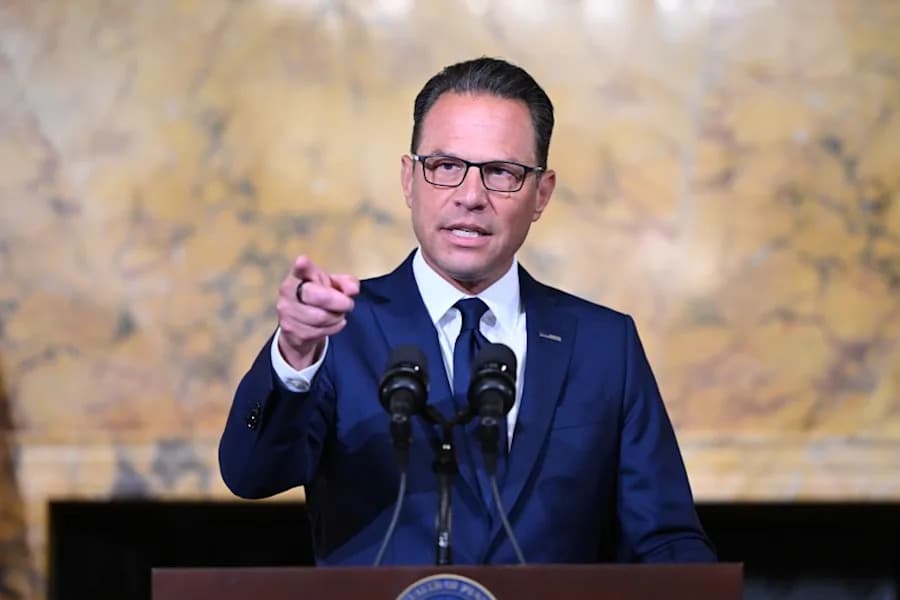
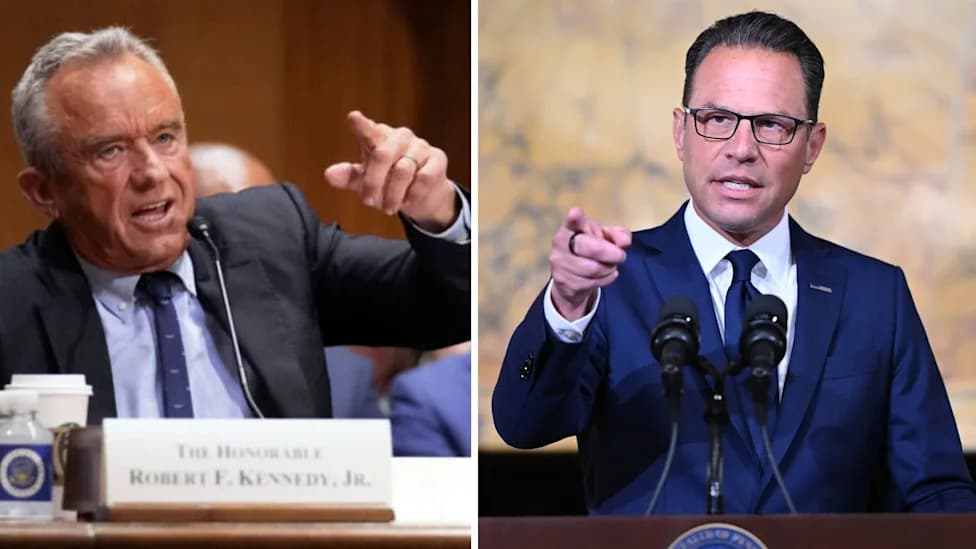
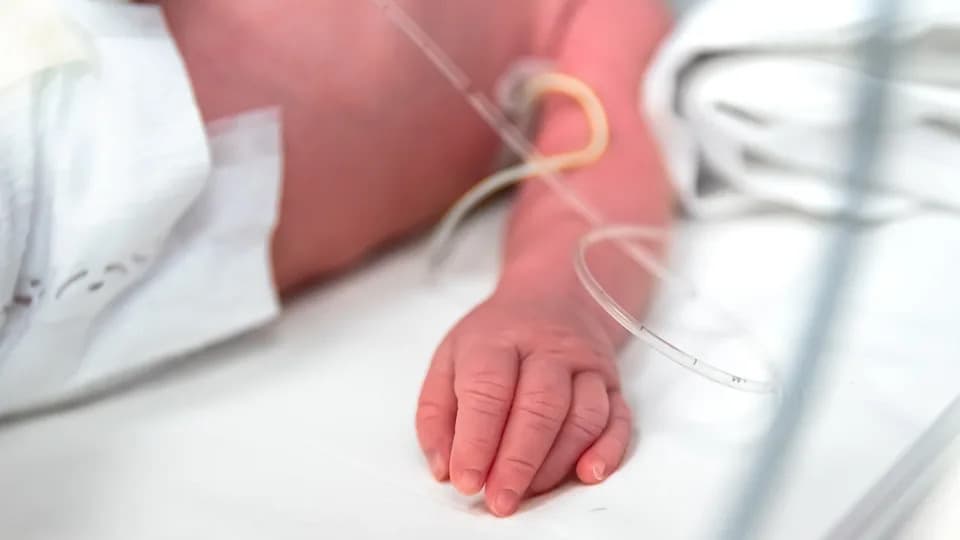
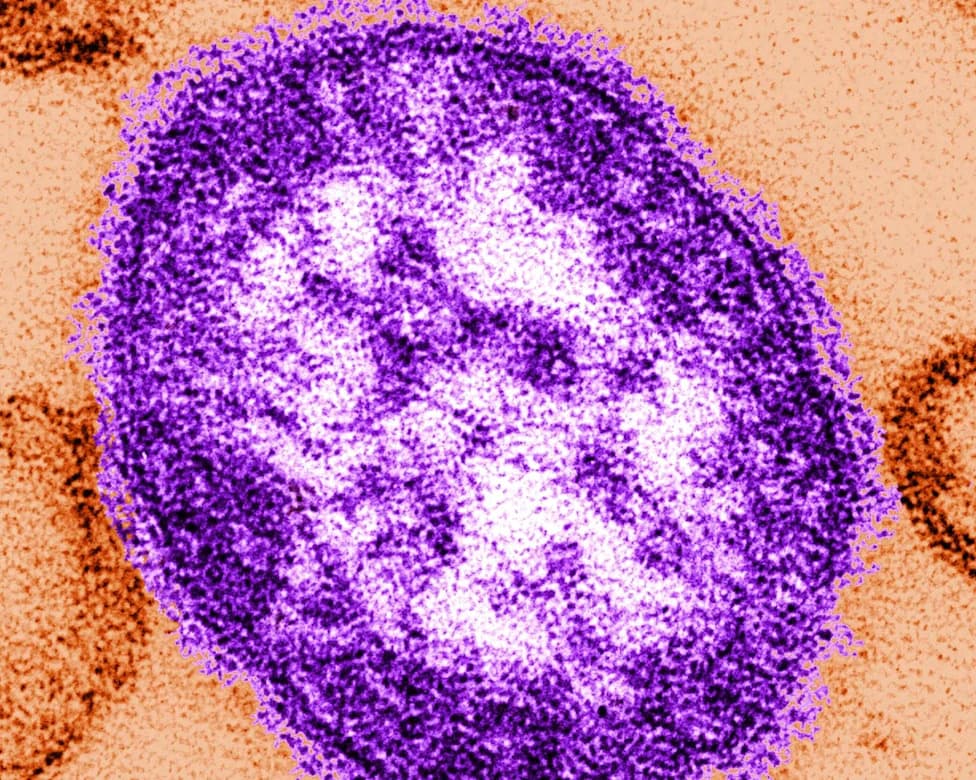
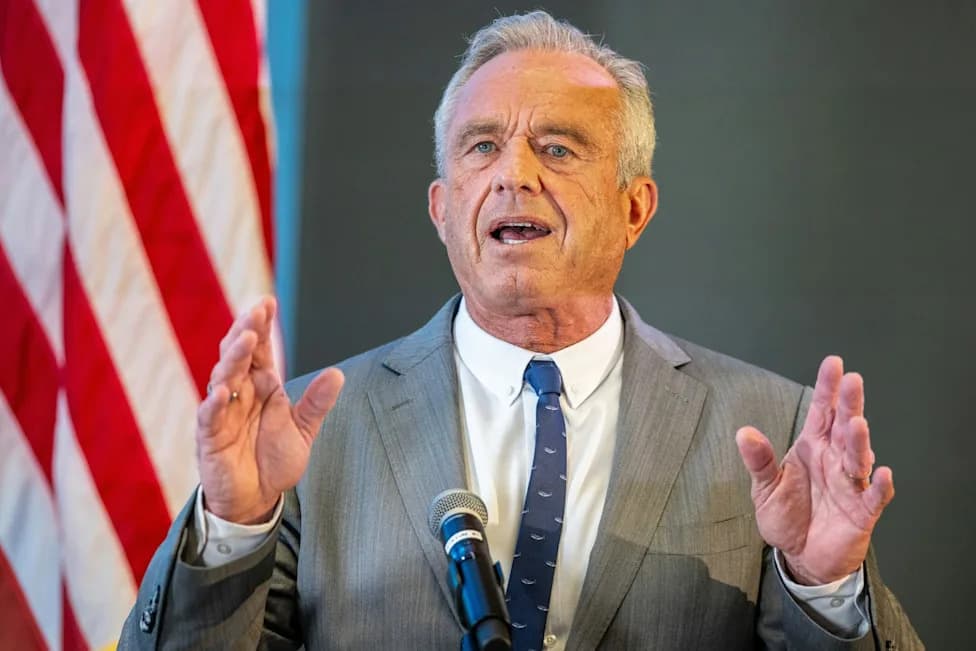
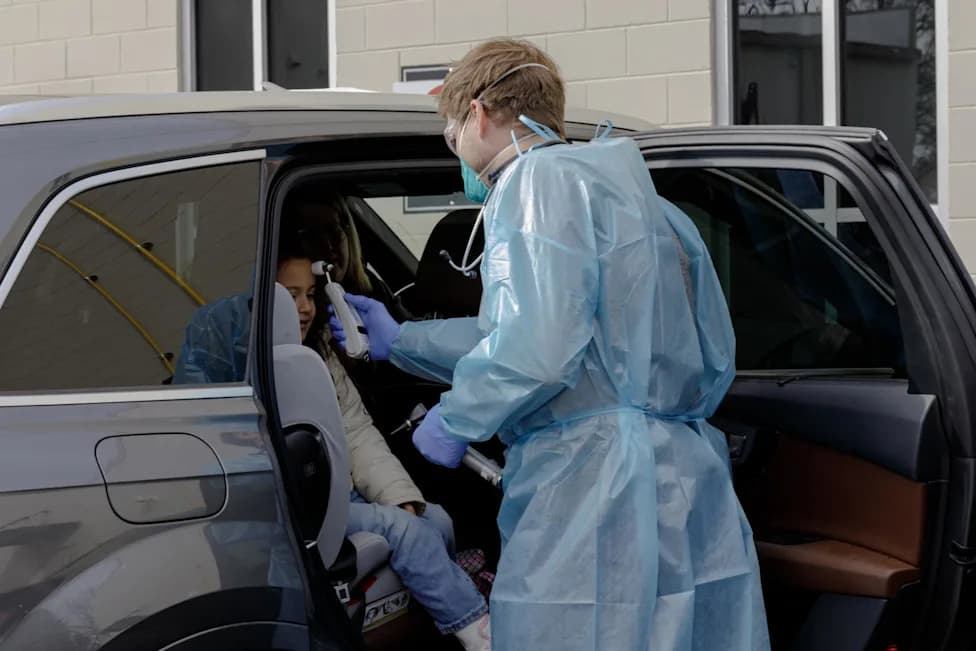
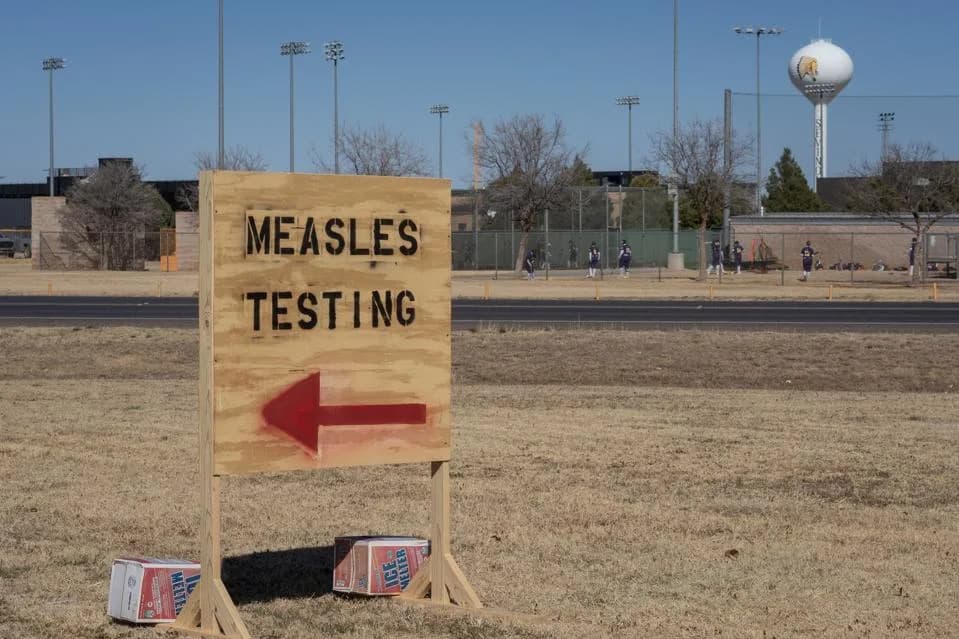
On Aug. 25, the Pennsylvania Department of Health reported "two measles-associated deaths in Pennsylvania," both in Lancaster County and reportedly involving individuals who were not vaccinated for measles. Gov. Josh Shapiro traveled to a local hospital to express his "deepest condolences" to the families and to address the media. He also disclosed that he had declined an offer of federal assistance from Health and Human Services Secretary Robert F. Kennedy Jr., saying he had been "very, very blunt" with Kennedy about the negative impact of the secretary's rhetoric on communities.
The governor's rapid, high-profile response drew sharp criticism from critics who say he seized on the story for political advantage. Former New York Times reporter Alex Berenson and Secretary Kennedy both accused Shapiro and some in the national media of exaggerating the public-health threat for headlines.
"Measles is highly contagious and can (very rarely) have terrible consequences. Vaccinating against it makes sense. But hyping measles's dangers, while pretending the vaccine carries no risks, is wrong," Berenson wrote. "Worse, that jab-at-any-cost mindset bleeds into every shot..."
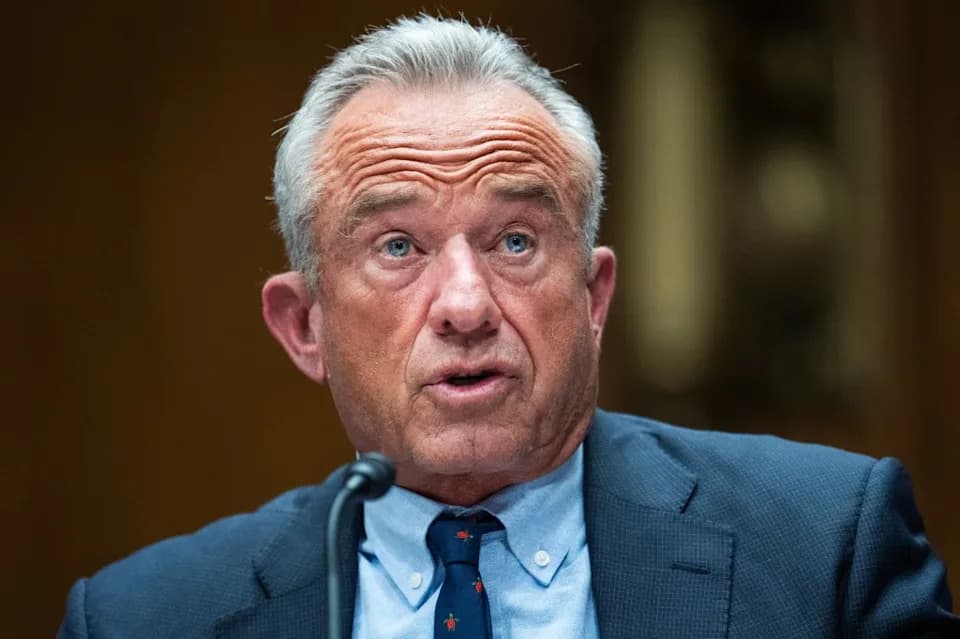
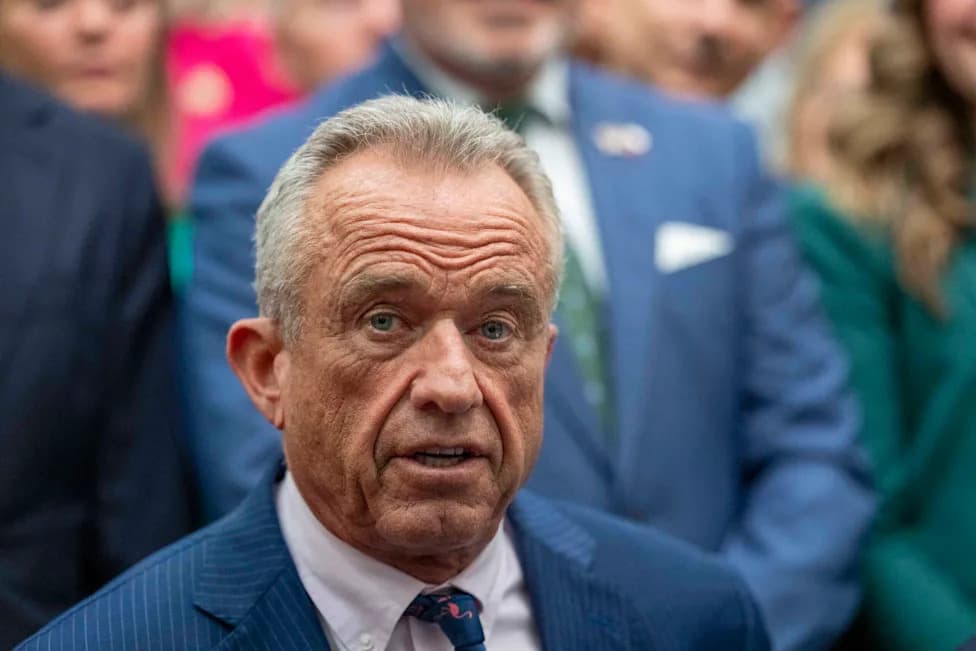
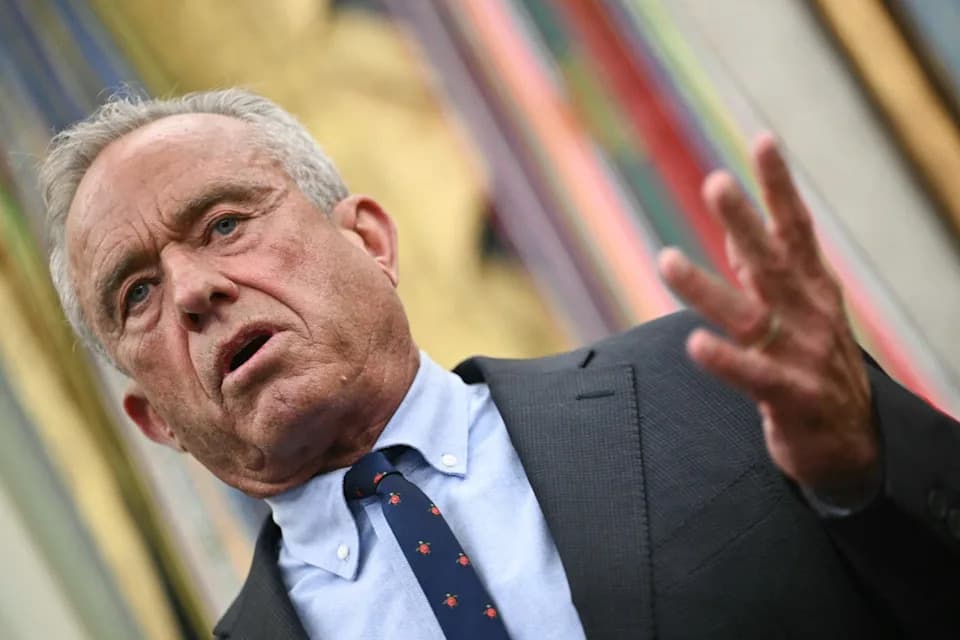
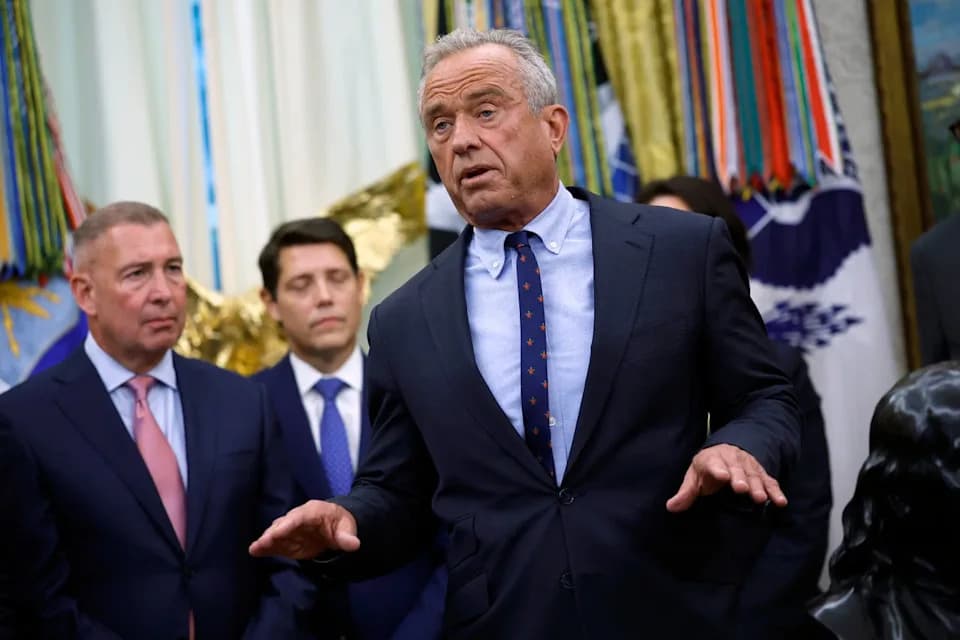
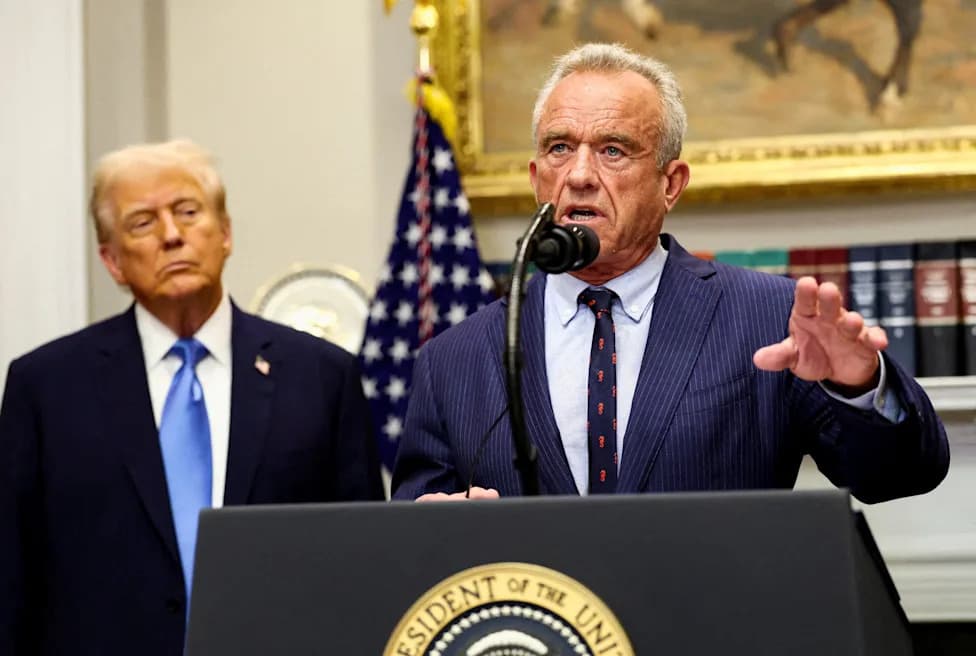
Kennedy was even more blunt in his critique: "Governor Shapiro's unseemly rush to Lancaster County to convene a national press conference and his giddy delight in announcing two measles deaths was a morose commentary on the contemporary political dialogue. The performance was a replay of the Democrats' COVID playbook: fearmongering, misinformation, finger-pointing, and the weaponization of infectious disease fears for political gain."
Supporters of Shapiro argue a governor has an obligation to respond visibly to any public-health threat, particularly when deaths are reported. Critics reply that amplifying rare or isolated cases can stoke fear and distract from other persistent crises.
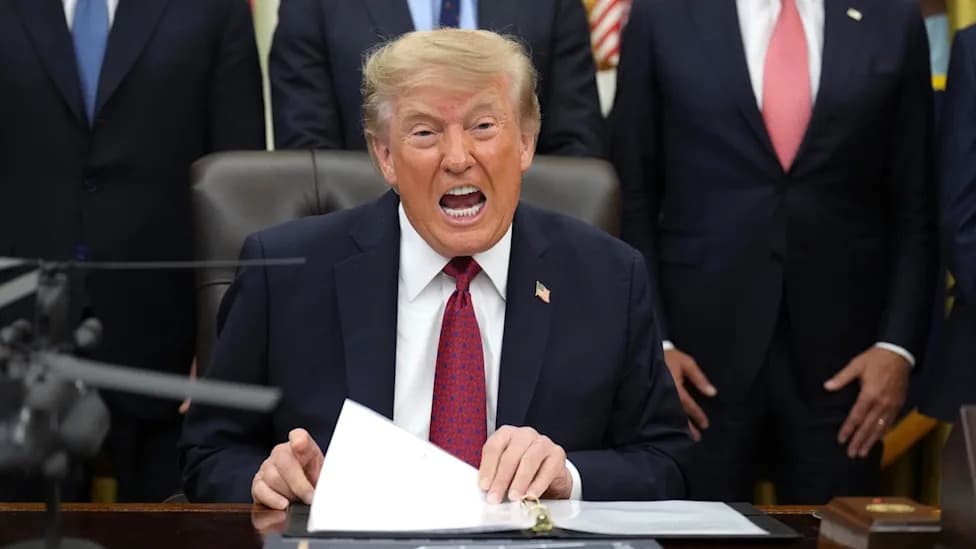
This column contrasts the measles coverage with persistent urban violence, citing recent social-media commentary from former President Donald J. Trump about shootings in Chicago and long-term violence statistics reported by the Chicago Tribune. The piece's author contends that attention-grabbing public-health events can overshadow chronic public-safety problems that claim many lives each year.
Whether Shapiro intentionally sought headlines or acted from genuine public-health concern is ultimately a question of motive and judgment. What is clear is that public officials and the media face a tension between urgent, visible responses to health scares and the need for proportionate, evidence-based communication.
Douglas MacKinnon is a former White House and Pentagon official. The views expressed here are opinion.
Help us improve.