The Pardon Integrity Act would let Congress review and potentially nullify presidential pardons, but that approach risks deepening the politicization of clemency. Executive mercy serves as a constitutional safety valve amid sprawling criminal and regulatory laws and occasional politicized prosecutions. Rather than imposing a congressional veto, the article argues for reforms that reduce overcriminalization and improve prosecutorial practices so that extraordinary pardons are less necessary.
Saving Mercy Without Politicizing It: Why Curtailing the Pardon Power Could Backfire
The Pardon Integrity Act has reignited a long-standing constitutional debate: how do we prevent the abuse of executive clemency without destroying its intended purpose as a safety valve for justice?
Most constitutional amendments never make it into the Constitution. Of the thousands proposed since the founding, only 27 have been ratified. That history reminds us that altering a structural power—especially one as consequential as the pardon—deserves care, not haste.
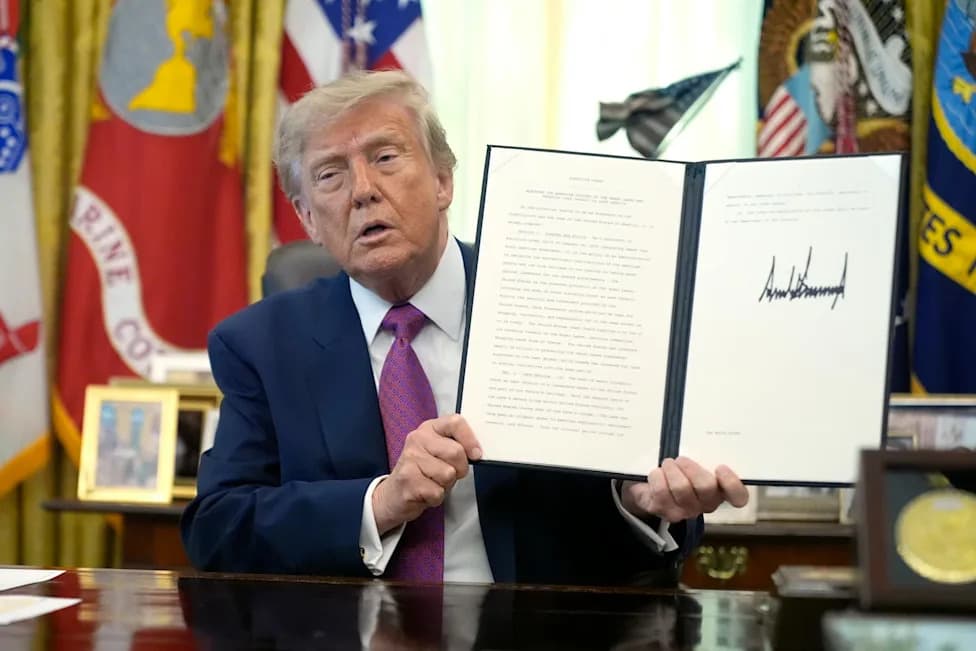
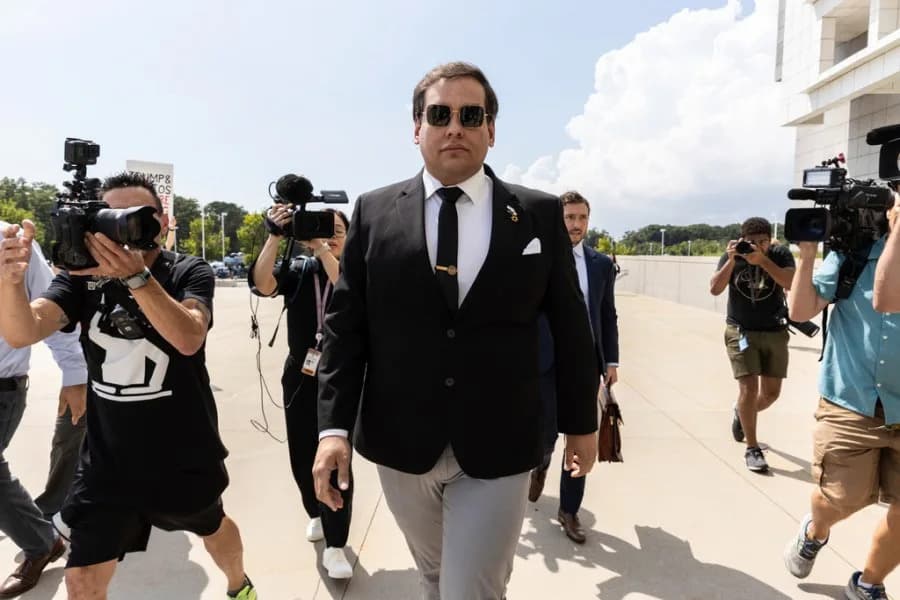
The bill’s sponsors are responding to a genuine grievance. Recent contentious acts of clemency—pardons and commutations involving political allies and other high-profile figures—have stoked public outrage and eroded trust in the fairness of the system. Those reactions are understandable. When the power to grant mercy appears to be used for partisan advantage, anger and calls for reform naturally follow.
But the Pardon Integrity Act, which would let groups of lawmakers trigger a congressional review and allow both chambers to nullify clemency with a two-thirds vote within 60 days, risks solving one problem by creating another. Turning pardons into an item for congressional floor votes would further politicize the process and could make mercy effectively unattainable for unpopular or marginalized people.
The Original Purpose Of Clemency
Executive clemency was never intended as a popularity contest. Alexander Hamilton explained in Federalist No. 74 why the pardon should be "as little as possible fettered": the criminal law, by necessity, tends toward severity, and an unfettered path to mercy guards against an overly sanguinary form of justice.
"The pardoning power... must be as little as possible fettered." — Alexander Hamilton, Federalist No. 74
That reasoning still matters in an era of sprawling federal criminal law and dense regulatory regimes. There are thousands of federal criminal statutes and many more regulatory offenses; even well-intentioned people can become ensnared by obscure rules. In such situations, clemency can operate as a corrective to disproportionate or unintended applications of the law—not an abuse of mercy.
When Prosecutorial Power Becomes Political
Concerns about political prosecutions are also part of the backdrop. High-profile, politically charged investigations and prosecutions—whether justified or not—underscore the value of an executive check that can provide relief when ordinary safeguards fail. Grand juries and juries sometimes rebuff politically motivated cases, but these protections are not foolproof. In the absence of a credible, independent remedy, an executive pardon can become the only practical shield for an individual wrongfully targeted.
The Risks Of A Congressional Veto
Giving Congress an effective veto over clemency would transform mercy into a subject of raw politics. A two-thirds override is a high bar, but in a polarized environment, nearly any controversial pardon could become a partisan spectacle—and a permanent deterrent to bold or compassionate uses of clemency. Mercy for unpopular figures could perish on the floor, and ordinary citizens who lack political clout could be left without a last-resort remedy.
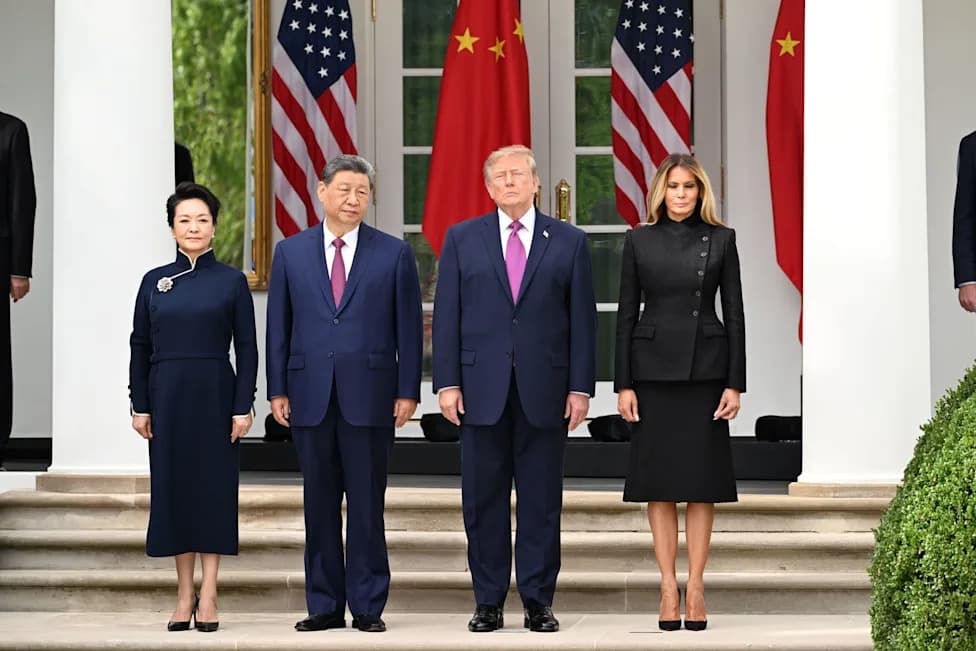
Controversial pardons are hardly new in American history. After the Civil War, Andrew Johnson issued mass pardons; after the Vietnam era, Jimmy Carter pardoned draft evaders; presidents from Gerald Ford to George H.W. Bush, Bill Clinton, George W. Bush and Donald Trump have all used clemency in ways that provoked debate. Those episodes underline that executive mercy and politics have long intersected—but long-standing practice does not by itself justify removing a constitutional backstop.
A Better Path Forward
The appropriate response to partisan abuse is not necessarily to neuter the pardon power. Instead, reforms should focus on reducing the conditions that make extraordinary clemency necessary: shrinking overcriminalization, clarifying obscure regulatory offenses, bolstering prosecutorial independence and transparency, and improving post-conviction remedies. Those reforms would reduce demand for emergency clemency while preserving mercy for exceptional circumstances.
Mike Fox is a legal fellow with the Cato Institute’s Project on Criminal Justice.
Copyright 2026 Nexstar Media, Inc. All rights reserved.
Help us improve.