Israeli Prime Minister Benjamin Netanyahu has proposed forming a "hexagon" — a network of allied states around or within the Middle East — to counter what he called "radical" axes. He named India as a prospective partner ahead of Prime Minister Narendra Modi's visit, and referenced Greece, Cyprus and other unnamed countries. The proposal comes amid Israel's campaign in Gaza, recent exchanges with Iran, and rising tensions with Turkey and Saudi Arabia that have strained prospects for normalization.
Netanyahu Seeks a Regional "Hexagon" of Allies, Names India as Key Partner
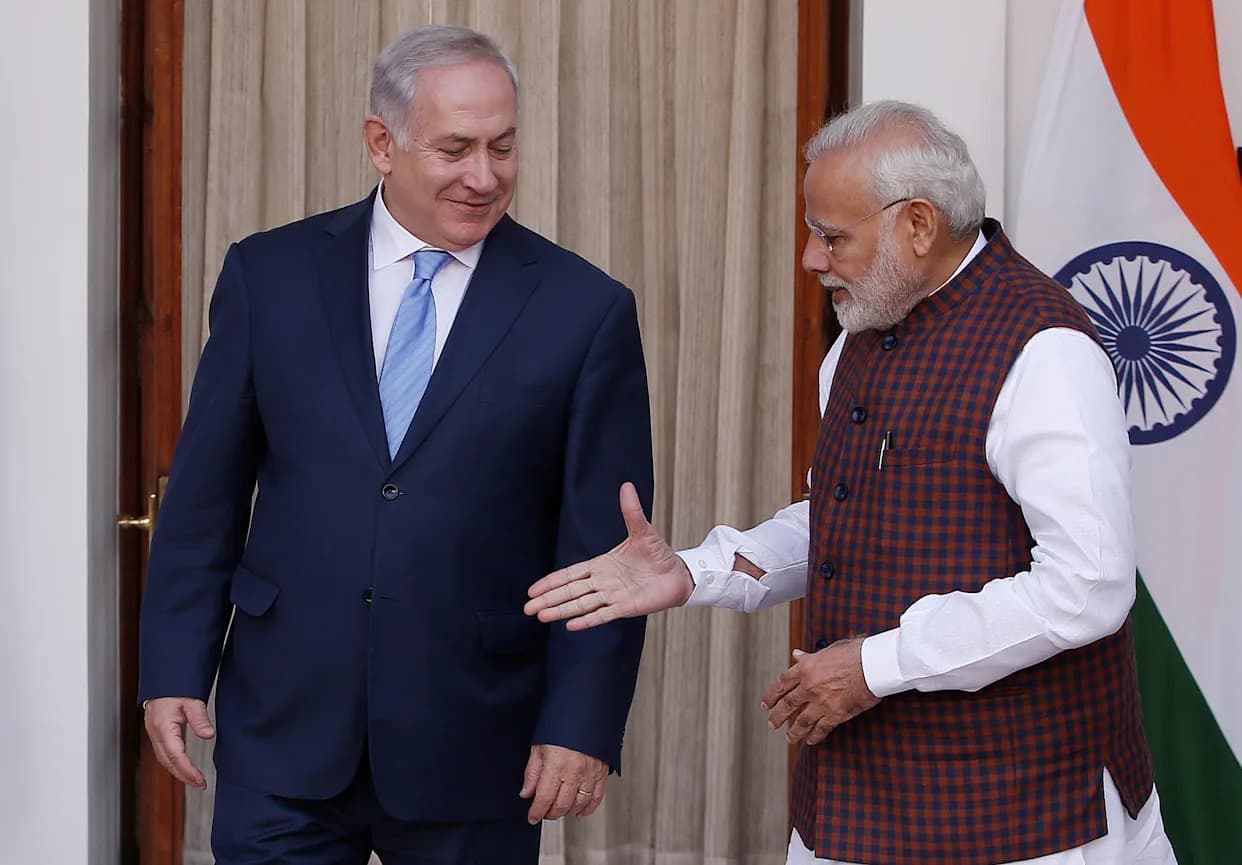
India's Prime Minister Narendra Modi extends his hand to Israeli Prime Minister Benjamin Netanyahu [File: Adnan Abidi/Reuters]
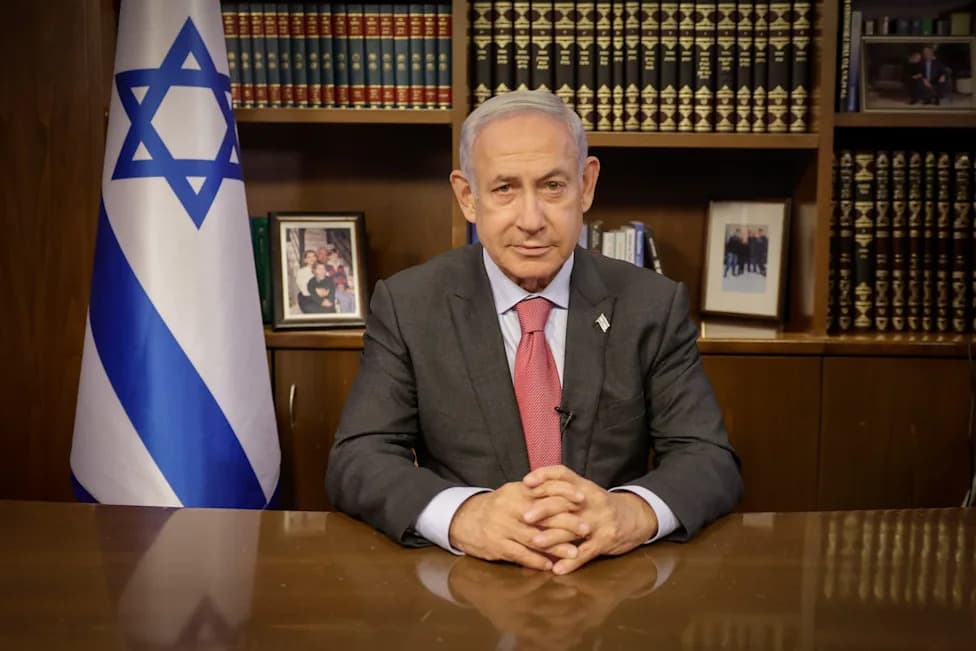
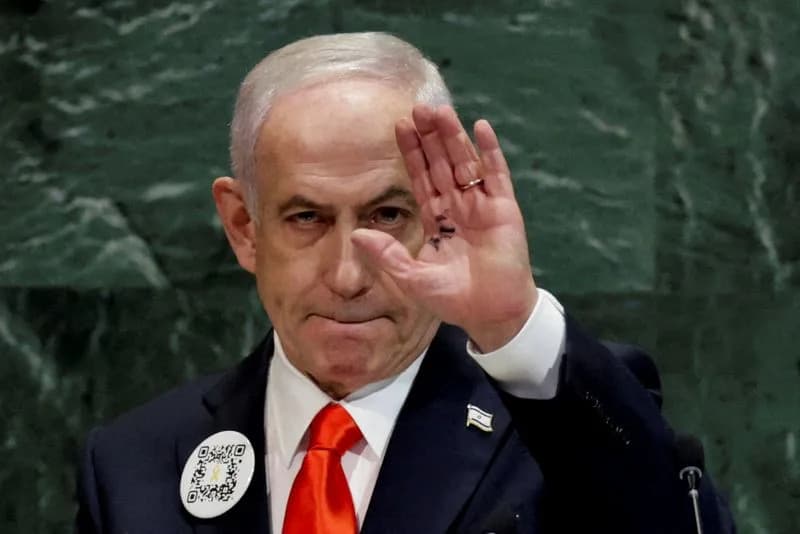
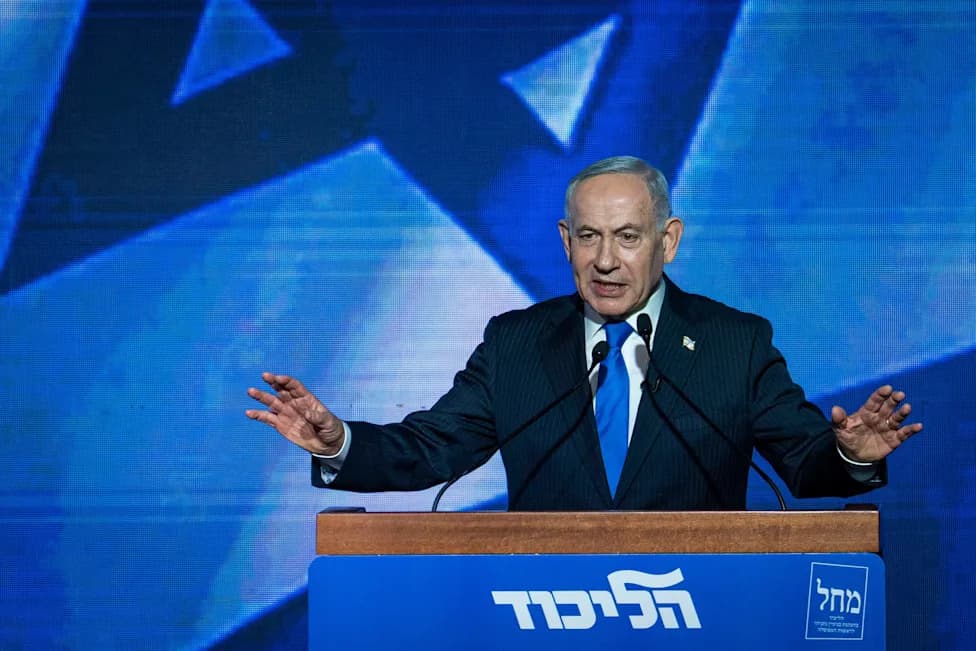
Israeli Prime Minister Benjamin Netanyahu has outlined plans to assemble a network of partner states in and around the Middle East — a "hexagon" of alliances — intended to confront what he called "radical" adversaries.
Netanyahu announced the initiative on Sunday while unveiling the upcoming visit to Israel of Indian Prime Minister Narendra Modi, whom he said would be part of the proposed partnership. He also mentioned Greece, Cyprus and a number of unnamed Arab, African and Asian countries as potential members.
"In the vision I see before me, we will create an entire system, essentially a 'hexagon' of alliances around or within the Middle East," Netanyahu said, according to the Times of Israel. "The intention here is to create an axis of nations that see eye to eye on the reality, challenges, and goals against the radical axes..."
Modi Affirms Ties
Indian Prime Minister Narendra Modi echoed the importance of India–Israel ties, praising their "enduring friendship" and shared focus on innovation and cooperation. In a post on X, Modi said India values the relationship "built on trust, innovation and a shared commitment to peace and progress."
Context And Regional Reactions
The remarks come amid Israel's military campaign in Gaza. Critics and some international observers have described the fighting in severe terms; supporters of Israel say the operations respond to security threats. The article notes that Israel's recent operations have, according to some analysts, weakened elements of the Iran-led "axis of resistance," which includes Hezbollah in Lebanon.
Netanyahu did not fully explain his reference to an "emerging radical Sunni axis," but he has previously identified movements such as the Muslim Brotherhood as components of that threat in his view.
Relations between Israel and several majority-Sunni states have been strained by the Gaza fighting. Turkey's President Recep Tayyip Erdogan has been an outspoken critic of Netanyahu, and Saudi Arabia has publicly condemned Israel's actions in Gaza, further complicating previously discussed normalisation efforts between Riyadh and Tel Aviv.
Broader Diplomatic Landscape
Since the 2020 Abraham Accords, Israel has strengthened ties with several Arab states, including the United Arab Emirates, Bahrain and Morocco. Netanyahu's latest comments suggest an effort to broaden that diplomatic circle — potentially drawing in partners from Europe and Asia — as part of a regional security architecture aligned with Israeli interests.
Netanyahu is also a subject of international legal attention: he is wanted by the International Criminal Court on charges related to alleged war crimes, a fact he and his allies dispute.
What Remains Unclear
Details about which countries would formally join the proposed "hexagon," how the alliance would be structured, and the scope of its cooperation were not specified. Analysts say whether the initiative gains traction will depend on diplomatic negotiations, the evolving security situation, and shifting priorities among potential partners.
Help us improve.