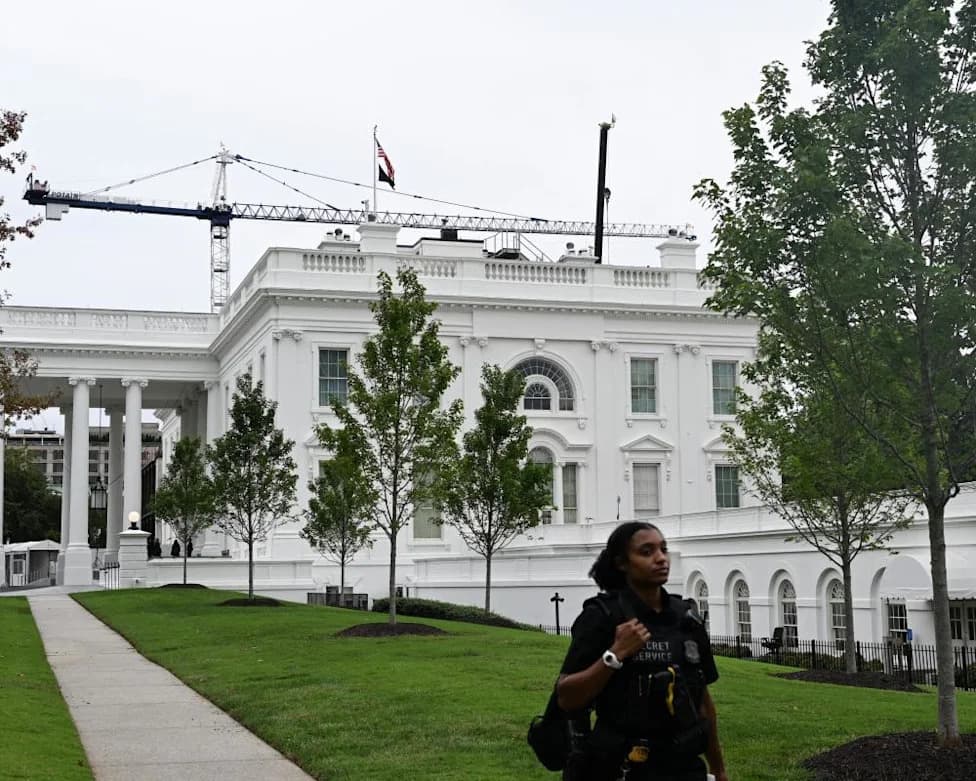
The White House insists pardons receive “the utmost seriousness” and undergo “a very thorough review process,” but reporting from NOTUS and the Wall Street Journal suggests otherwise. Sources describe a chaotic, access-driven system in which persuasive narratives and intermediaries often determine outcomes. Alarmingly, reporting has surfaced a nascent “pardon‑shopping” market with lobbyists charging about $1 million and some success fees up to $6 million. Critics say a formal, transparent review process is essential to prevent apparent corruption and restore public trust.
Chaos and Cash: White House Pardon Process Faces 'Pardon‑Shopping' Allegations

Last fall, White House press secretary Karoline Leavitt told reporters, “When it comes to pardons, the White House takes them with the utmost seriousness,” adding that each pardon undergoes “a very thorough review process,” handled by a team of “qualified lawyers.”
But a new NOTUS investigation and other reporting paint a very different picture: one of an ad hoc, access-driven system in which clemency decisions often turn on who has the right connections and the most persuasive narrative, rather than a consistent legal review.
What Reporters Found
“There is no process, there is no right way to do this. It’s chaos,” said a person directly involved in clemency matters to NOTUS.
NOTUS interviewed nearly a dozen people — including lawyers, lobbyists and insiders — who described a shifting, informal system in which intermediaries and storytelling can be decisive. The White House provided denials, with some officials insisting there is a “defined process.” Yet those assertions are difficult to reconcile with the pattern of pardons issued during this presidency, critics say, which often appear to reflect presidential whim and personal grievance rather than exhaustive legal scrutiny.
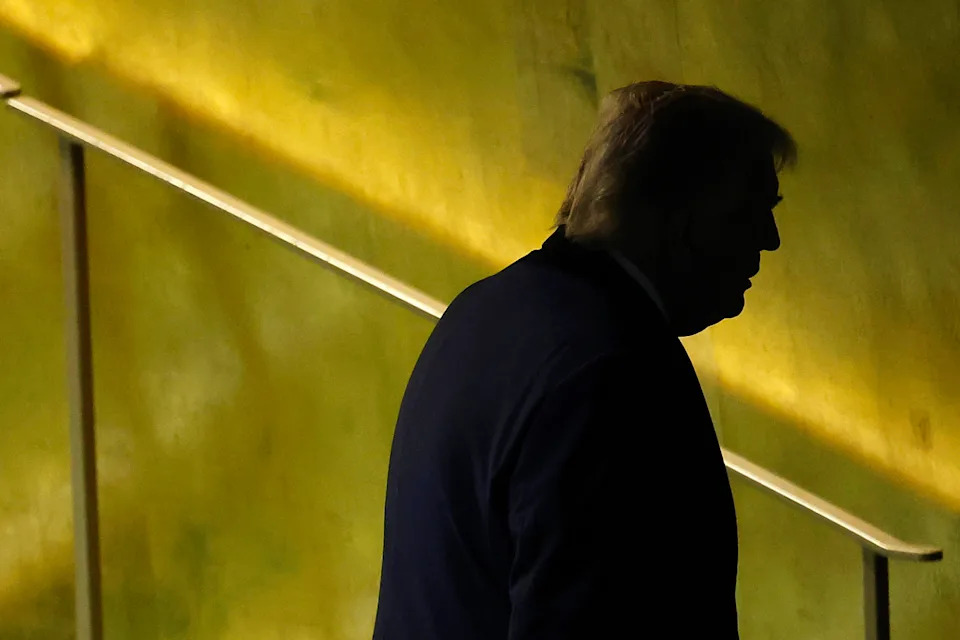
President Donald Trump departs after speaking at the 80th session of the United Nations General Assembly at UN Headquarters on Sep. 23, 2025, in New York City.(Chip Somodevilla / Getty Images)
Allegations of a 'Pardon‑Shopping' Market
Concerns about the integrity of the process escalated after a Wall Street Journal story describing a growing “pardon‑shopping” industry. According to that reporting, lobbyists have quoted going rates of roughly $1 million, and some pardon‑seekers reportedly offered success fees up to $6 million to intermediaries close to the president.
Why it matters: A transparent, rules-based clemency review would curb the appearance — and risk — of quid pro quo arrangements. Without clear procedures and public accountability, the process risks fostering perceptions of corruption and undermining public trust in presidential clemency.
Calls For Reform
Legal experts and critics argue that a formal, published review system with defined criteria and oversight is needed to prevent influence-based outcomes. Until that happens, questions about whether pardons are effectively for sale are likely to persist.
Whatever the White House's internal assurances, the available reporting raises immediate concerns about fairness, transparency and the proper use of presidential clemency.
Help us improve.