Summary: A 72-inch section of the 1960s Potomac Interceptor collapsed on 19 January, releasing more than 200 million gallons of untreated sewage into the Potomac River. The pipeline is operated by DC Water and overseen by the EPA, but political leaders — notably Donald Trump and Maryland governor Wes Moore — have traded public accusations over responsibility. Emergency repairs could take 4–6 weeks, with full restoration possibly up to 10 months, and officials have urged the public to avoid contact with the river while monitoring continues.
Potomac Sewage Spill Sparks Blame Game: Trump Orders FEMA as Moore, DC Water Trade Accusations
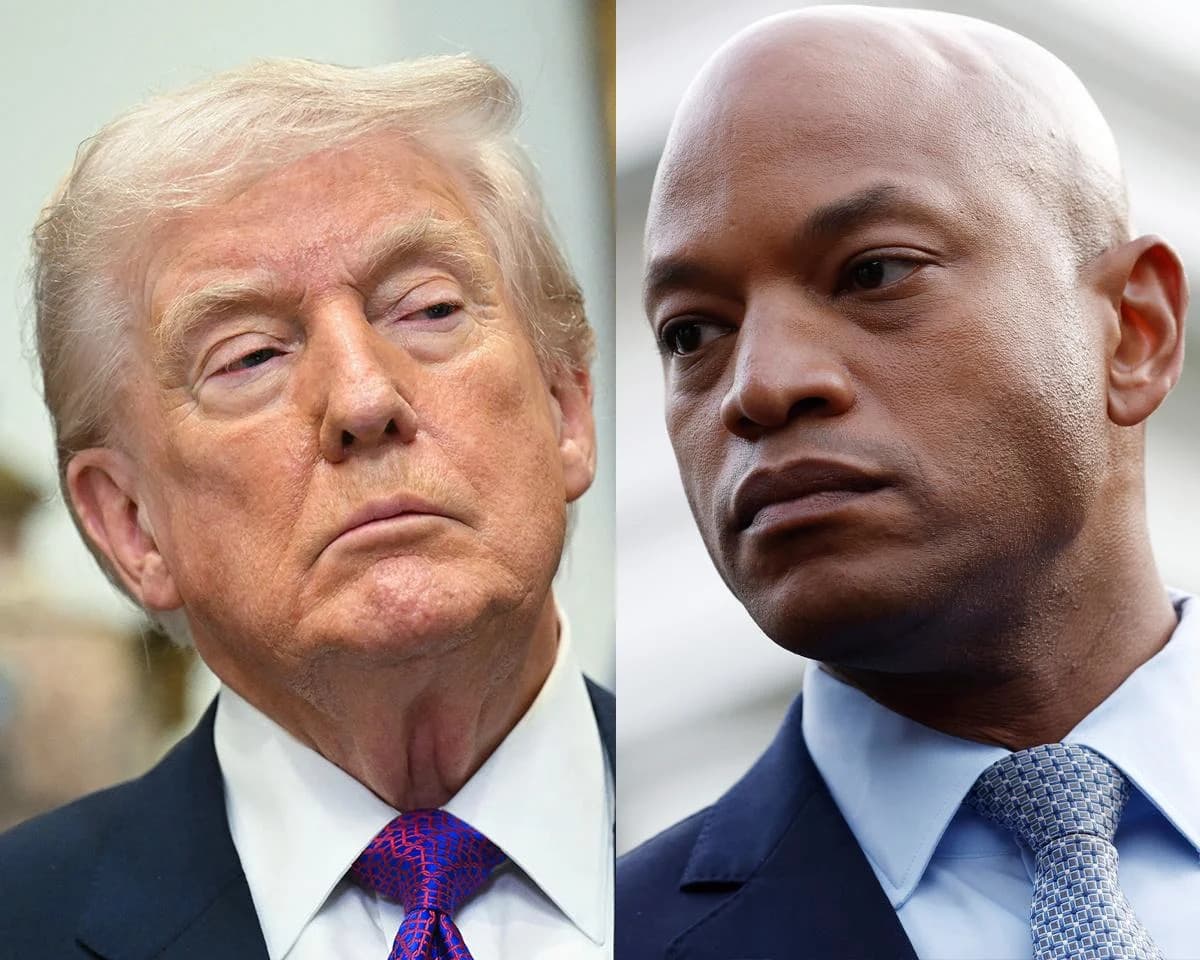
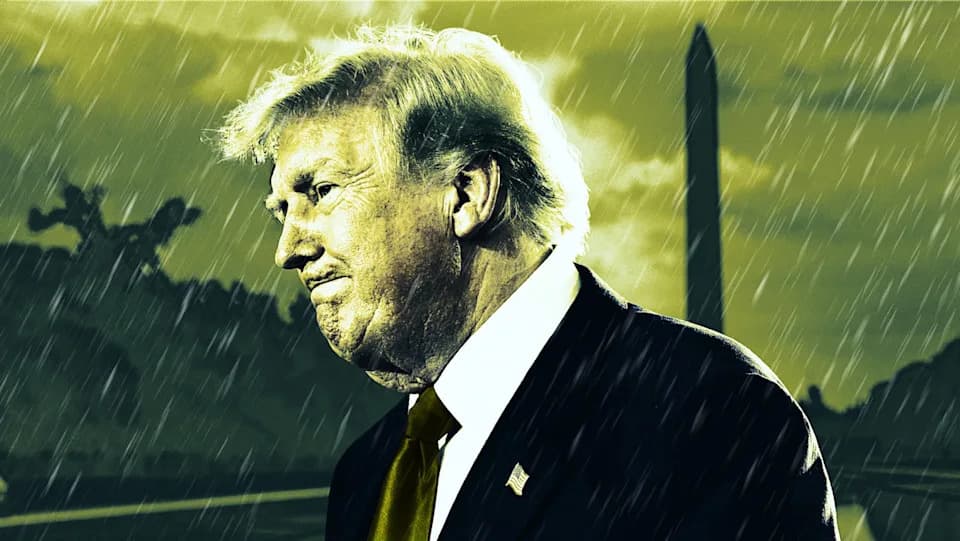
Donald Trump and Wes Moore.Composite: Getty Images(Composite: Getty Images)
One month after a major sewer line failure began fouling the Potomac River, former president Donald Trump and Maryland governor Wes Moore have intensified a public dispute over who is responsible for the disaster tied to the federally regulated Potomac Interceptor pipeline.
What Happened
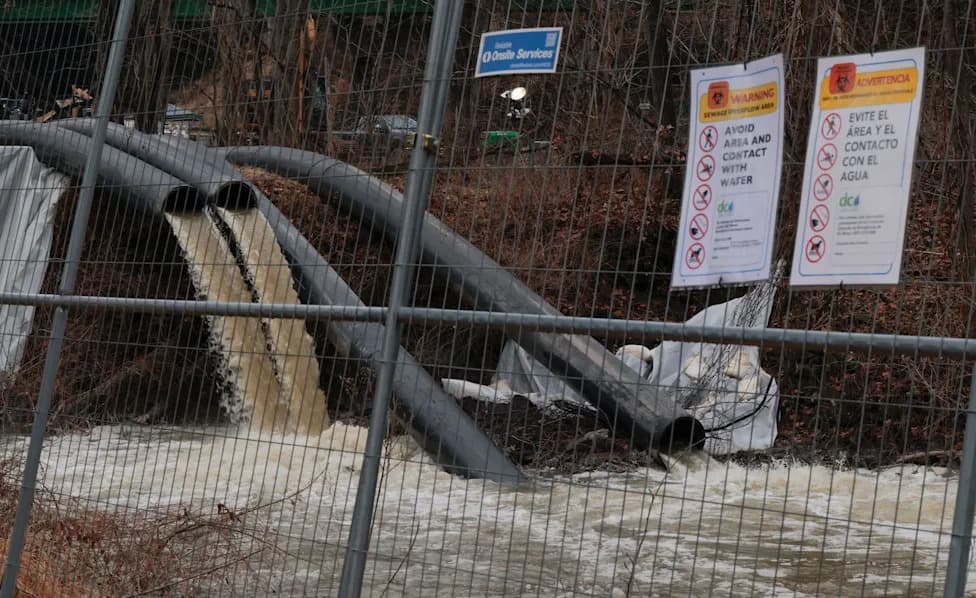
On 19 January a 72-inch section of the Potomac Interceptor — a 1960s-era sewer main — collapsed, releasing more than 200 million gallons of untreated sewage into the Potomac River northwest of Washington, DC. Emergency crews are conducting repairs while officials warn of substantial environmental and public health risks.
Who Operates the Pipeline
DC Water operates the Potomac Interceptor and the utility falls under federal oversight by the Environmental Protection Agency (EPA). Moore’s office and DC Water say the pipeline is not controlled by the Maryland governor’s office.
Federal Response and Funding Issues
President Trump directed the Federal Emergency Management Agency (FEMA) to coordinate the response. That decision comes amid a partial government shutdown that has left the Department of Homeland Security — FEMA’s parent agency — without funding, complicating coordination and staffing.
Political Fallout
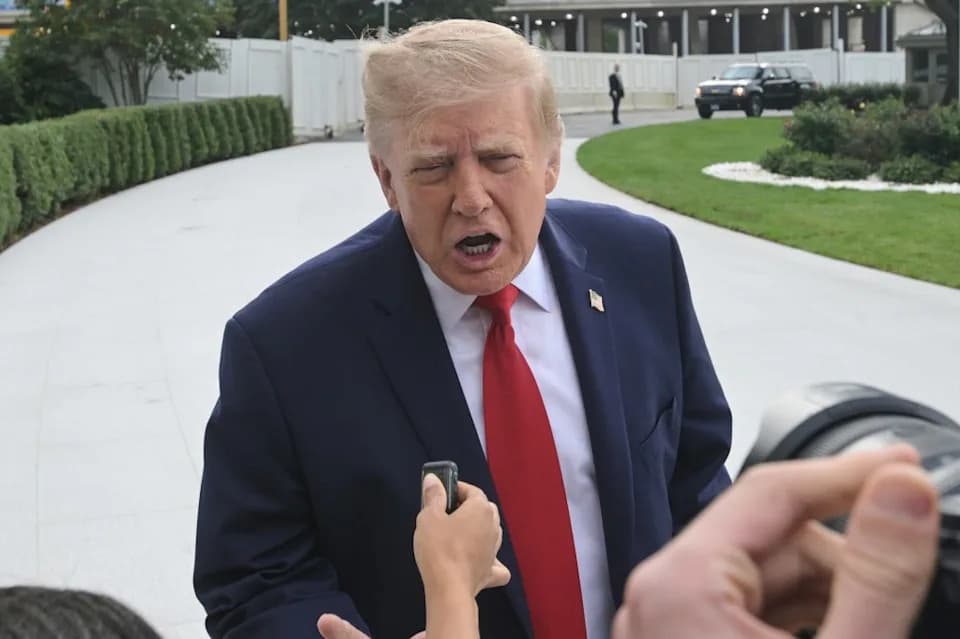
The sewage spill has become a political flashpoint. On Truth Social, Trump accused Governor Moore of “gross mismanagement.” Moore’s spokesperson, Ammar Moussa, rejected the criticism and said the administration’s claims were factually incorrect. Moussa also accused EPA officials of failing to attend recent legislative hearings about the cleanup.
“Apparently the Trump administration hadn’t gotten the memo that they’re actually supposed to be in charge here,” Ammar Moussa said.
The dispute has escalated an already contentious relationship: Moore was initially invited to a White House governors’ dinner but later disinvited, and Trump has repeatedly criticized Moore over law-and-order issues and local reconstruction projects, including the Francis Scott Key Bridge rebuilding effort.
Timelines, Risks and Public Guidance
DC Water estimates that immediate repairs could take four to six weeks, while a complete restoration of the pipeline system could take as long as 10 months. Authorities have advised residents to avoid contact with river water and to keep pets away. Officials say drinking water drawn from upstream sources remains safe, but environmental and public-health monitoring is ongoing.
What’s Next
State and federal officials say they are prepared to work together on repairs and environmental monitoring, but the funding and coordination questions raised by the partial shutdown and overlapping jurisdictions are likely to prolong the political debate even as crews work on technical fixes.
Key facts: 72-inch pipe collapsed on 19 January; over 200 million gallons of raw sewage released; DC Water operates the line under EPA oversight; immediate fixes 4–6 weeks, full restoration up to 10 months; FEMA ordered to coordinate amid a funding standoff.
Help us improve.