Overview: The Department of Justice, representing the Trump administration, is pressing states for voter-registration data—arguing noncitizens may appear on rolls—and has pursued cooperation, lawsuits and legislation to obtain that information. Federal judges in Michigan, Oregon and California have rejected major DOJ requests, while Republican-led states such as Texas, Alabama and Mississippi have complied. The House passed the SAVE Act, which would require proof of citizenship and photo ID for voters, but the Senate has not backed the bill. Critics warn the efforts could infringe on states' election authority and suppress turnout; supporters argue they are needed to protect election integrity.
DOJ Sues Nearly Two Dozen States for Voter Rolls as 2026 Midterms Approach
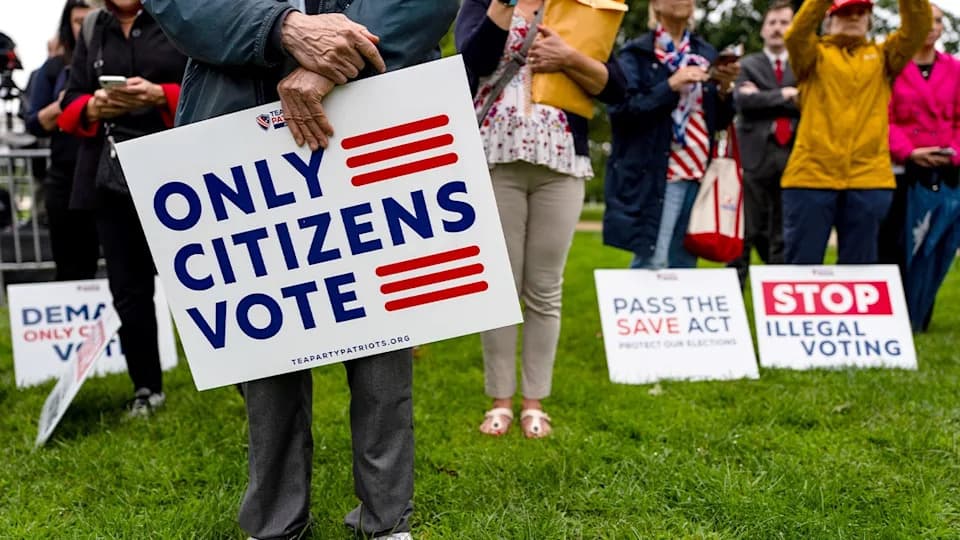
Attendees listen as Rep. Chip Roy speaks at an "Only Citizens Vote" rally advocating passage of the SAVE Act in Washington, D.C., on Sept. 10, 2025.(Getty Images)
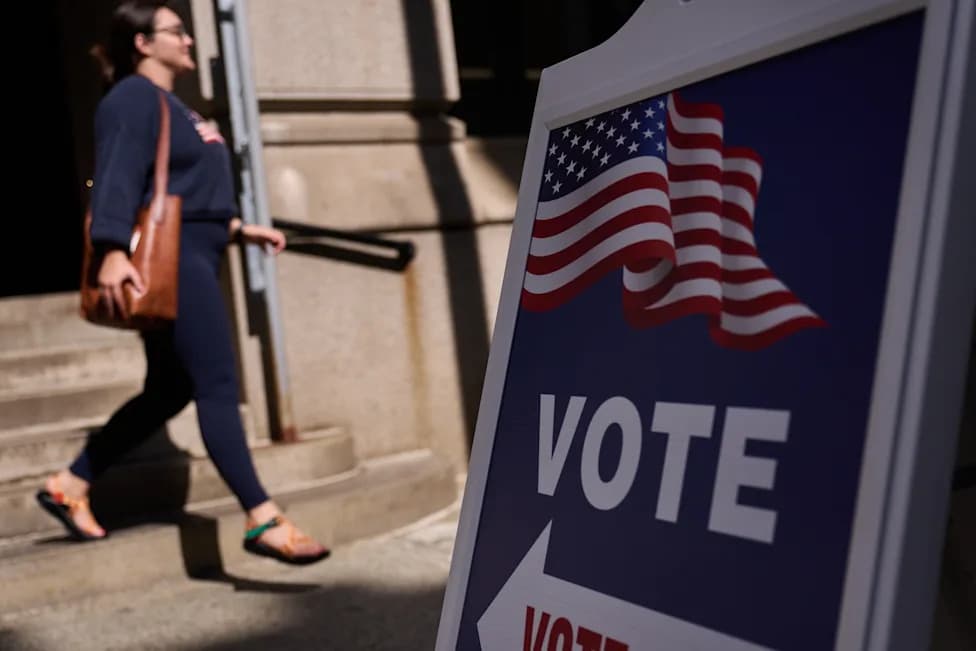
The Department of Justice, under the Trump administration, has intensified efforts to obtain state voter-registration data ahead of the 2026 midterm elections, arguing that federal law prohibits noncitizens from appearing on voter rolls and asserting that such ineligible names may be present. The campaign is advancing on three fronts: cooperation from Republican-led states, lawsuits against roughly two dozen Democratic and battleground states that have refused to comply, and a parallel legislative push in Congress to tighten national voting requirements.
What the DOJ Is Seeking
The DOJ has requested both publicly available voter lists and more sensitive records, including partial Social Security numbers and dates of birth. The department says this information is necessary to verify eligibility and enforce federal statutes. State officials and federal judges, however, have repeatedly pushed back against the scope of those demands.
Court Pushback And State Responses
Federal judges in Michigan, Oregon and California have rejected the DOJ’s demands so far. In Michigan, Secretary of State Jocelyn Benson declined to provide personal details for about 7 million registered voters beyond information already available to the public. U.S. District Judge Hala Jarbou wrote:
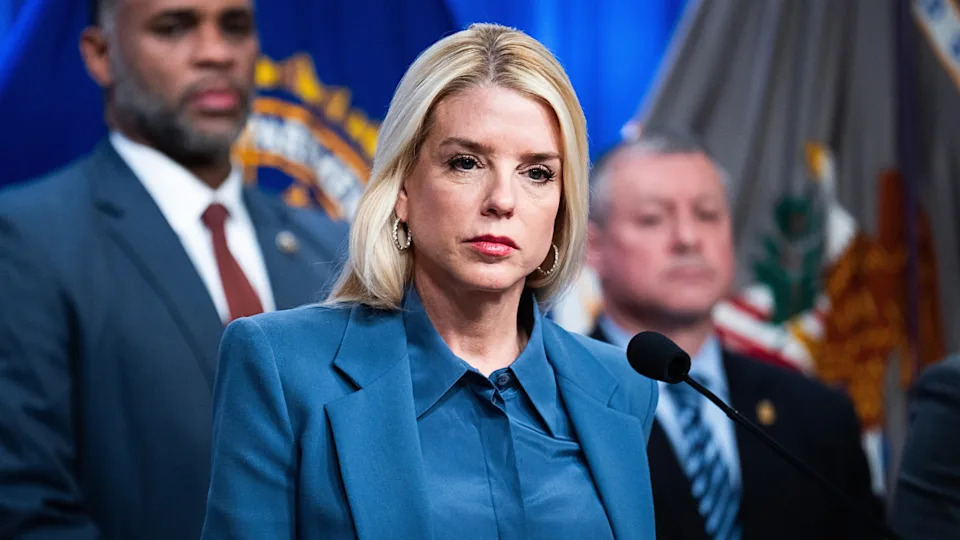
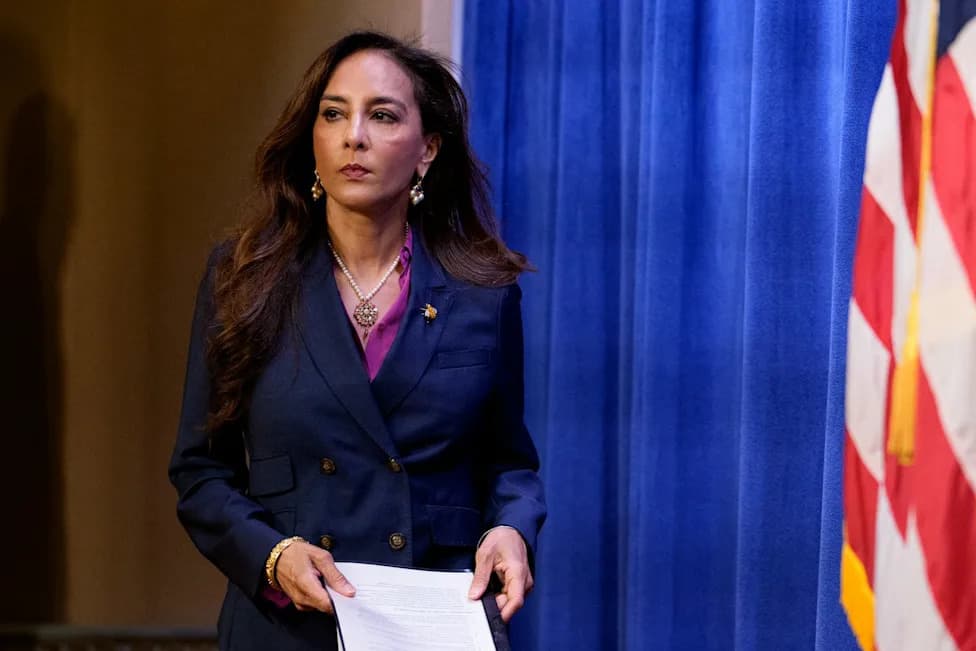
Attorney General Pam Bondi listens during a news conference.
"The Court concludes that (1) HAVA does not require the disclosure of any records, (2) the NVRA does not require the disclosure of voter registration lists because they are not records concerning the implementation of list maintenance procedures, and (3) the CRA does not require the disclosure of voter registration lists because they are not documents that come into the possession of election officials."
Those rulings could be appealed. A Department of Justice spokesperson declined to comment for this story.
Cooperation From Some States And Federal Pressure
By contrast, several Republican-led states—including Texas, Alabama and Mississippi—have signed memoranda of understanding with the DOJ and provided the requested information. The department has also applied direct pressure on individual governors: former Attorney General Pam Bondi sent a warning letter to Minnesota Gov. Tim Walz urging him to turn over the state’s voter rolls and suggesting doing so would help reduce unrest connected to a federal immigration operation. Democrats criticized the letter sharply, with Sen. Chris Murphy calling it a "pretext for Trump to take over elections in swing states," and a Minnesota state lawyer labeling it a "ransom note." At the time, the DOJ told Fox News Digital that Democrats were "shamelessly lying" about the letter’s purpose. Litigation over Minnesota’s records remains pending.
The Congressional Angle: SAVE And MEGA
In Congress, Republicans have advanced the Safeguard American Voter Eligibility (SAVE) Act, which would require in-person proof of citizenship when registering to vote—such as a birth certificate or passport—and impose a national photo-ID requirement at polling places. The House passed the SAVE Act, and it enjoys broad Republican support, but it is stalled in the Senate because it would need 60 votes to overcome a filibuster. A notable provision of the bill would create a private right of action, allowing private citizens to sue election officials who fail to enforce the new proof-of-citizenship rules.
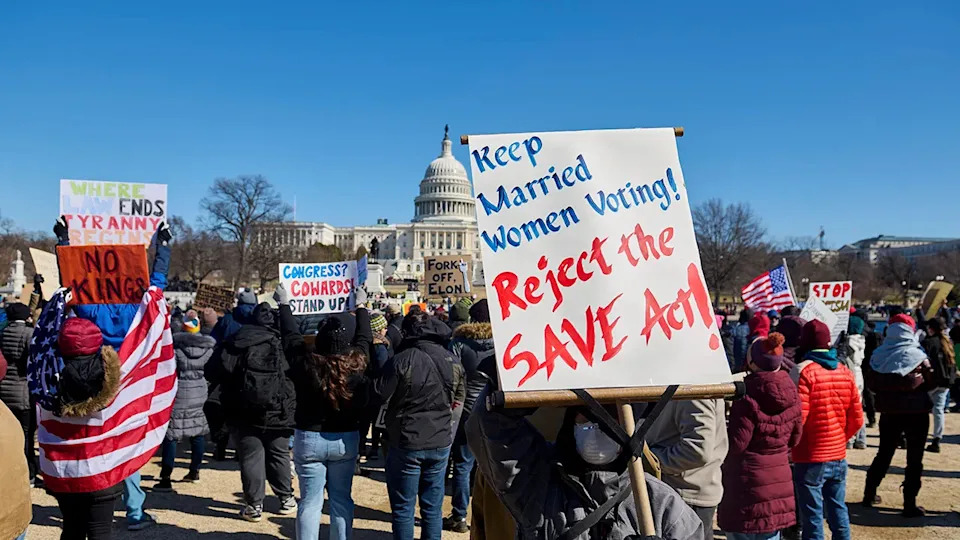
People participate in a protest against the Trump administration in front of the Capitol on Feb. 17, 2025.
Separately, the Make Elections Great Again (MEGA) Act—still under consideration in the House—would impose additional national changes, including ending universal mail voting, banning ballots postmarked by Election Day but received after that day in some jurisdictions, and prohibiting ranked-choice voting. Those provisions would represent sweeping policy shifts with wide-reaching effects if enacted.
Political Stakes And Reactions
Supporters of the DOJ’s campaign and the legislation emphasize election integrity and say they want to ensure only eligible citizens appear on voter rolls. Critics argue the moves represent federal overreach into states’ authority to administer elections and warn the measures could suppress turnout, particularly in Democratic-leaning jurisdictions. The dispute is likely to persist as appeals and pending litigation proceed and as Congress debates national voting standards ahead of the 2026 midterms.
Key Developments To Watch: upcoming appeals of federal court rulings, the outcome of pending lawsuits (including Minnesota), whether the SAVE Act gains Senate support or prompts legal challenges, and any executive actions proposed by the White House to impose identification requirements.
Help us improve.