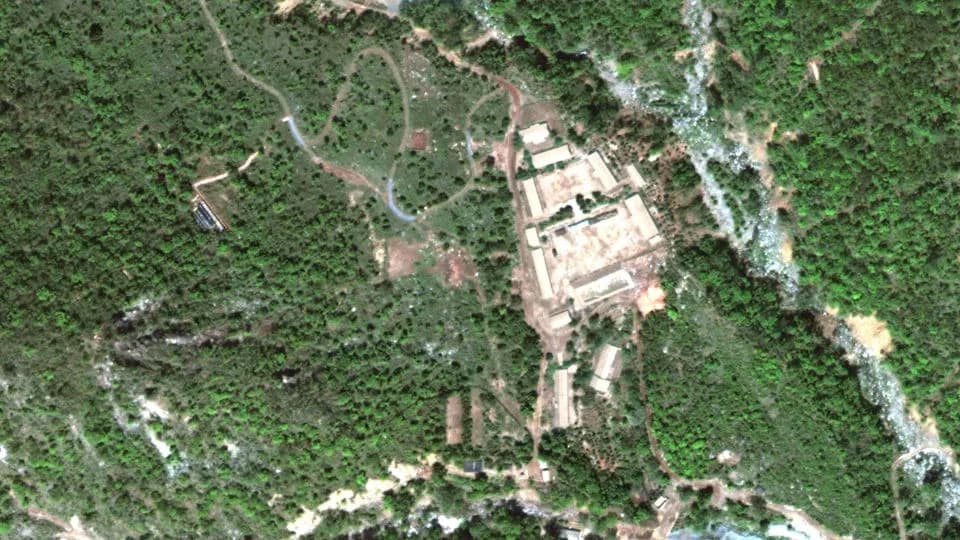
U.S. officials say seismic data from a Kazakhstan station recorded a magnitude 2.75 blast at China’s Lop Nur on June 22, 2020, and that the signal is inconsistent with mining or an earthquake. Christopher Yeaw and Thomas DiNanno described the signatures as indicative of a nuclear explosive test and warned of possible low-yield preparations in the "hundreds of tons" range. China denies the allegations as political manipulation, and the dispute raises verification and deterrence concerns about stockpile stewardship and arms-control efforts.
U.S. Officials: 2020 Lop Nur Blast Shows Signs Of A Nuclear Test; China Denies Allegations
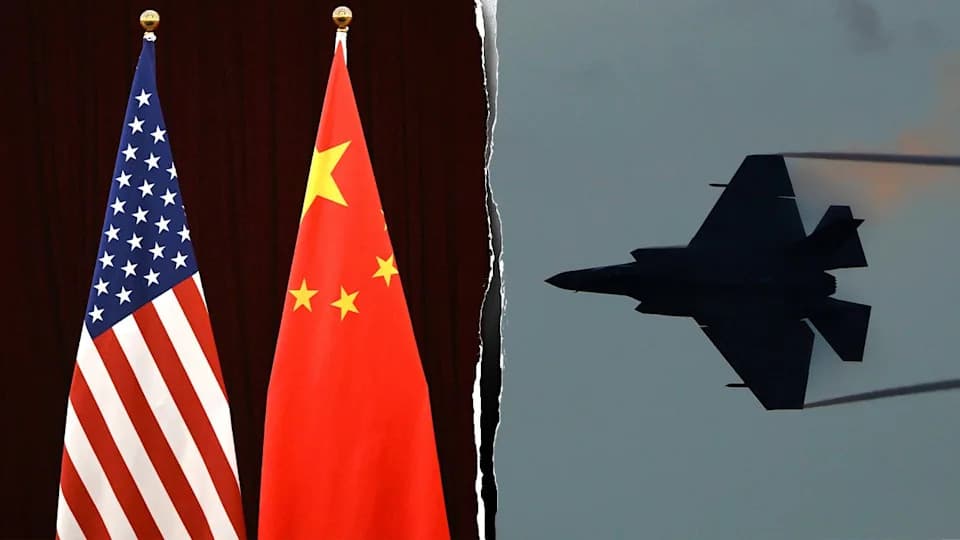
U.S. officials warned that Beijing may be preparing tests in the "hundreds of tons" range.(Getty Images)
U.S. officials have presented new details suggesting that a small explosion recorded at China's Lop Nur test site on June 22, 2020, bears the hallmarks of a nuclear explosive test. The claims, announced by senior State Department officials in recent public remarks, have been strongly rejected by Beijing, intensifying a debate over verification, deterrence and arms-control trust between the two powers.
What U.S. Officials Say
Assistant Secretary of State Christopher Yeaw, speaking at a Hudson Institute event in Washington, said the evidence comes from a seismic monitoring station in Kazakhstan that registered a magnitude 2.75 event at Lop Nur on June 22, 2020.
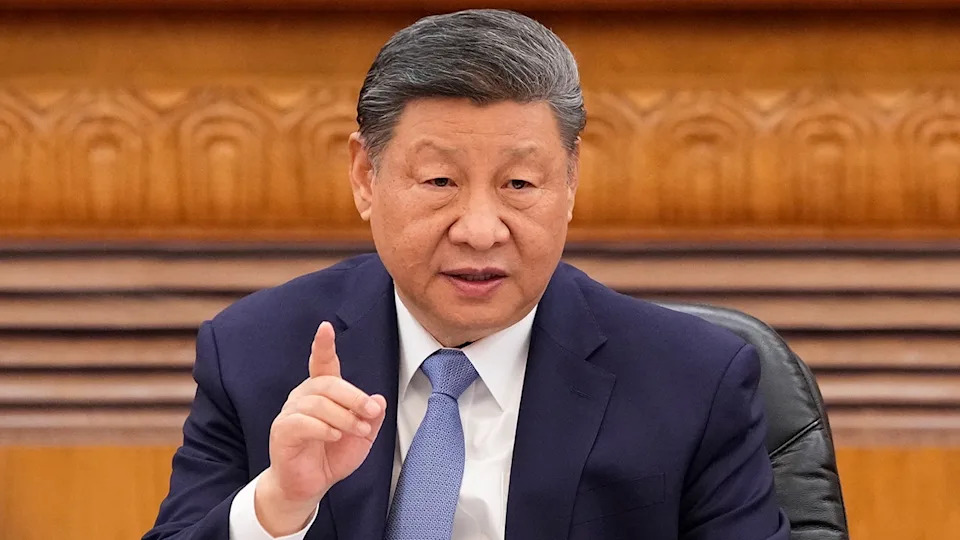
The State Department’s allegation that China conducted a yield-producing nuclear test in 2020 is reigniting debate in Washington over whether the United States can continue its decades-long moratorium on nuclear weapons testing.
"I've looked at additional data since then. There is very little possibility I would say that it is anything but an explosion, a singular explosion," Yeaw said, adding that the seismic signatures did not match patterns typical of mining detonations and were inconsistent with an earthquake.
Thomas DiNanno, Under Secretary of State for Arms Control and International Security, told delegates at the United Nations Conference on Disarmament that the U.S. has evidence China has prepared and conducted explosive nuclear tests at Lop Nur. DiNanno warned that some preparations indicate yields in the "hundreds of tons" range and accused Beijing of using so-called "decoupling" techniques intended to dampen seismic signals and hinder detection.
China's Response
China's embassy in Washington called the U.S. assertions "political manipulation," with embassy spokesperson Liu Pengyu saying Washington should reaffirm the five nuclear-weapon states' commitment to refrain from nuclear tests and protect the global non-proliferation and disarmament regime.
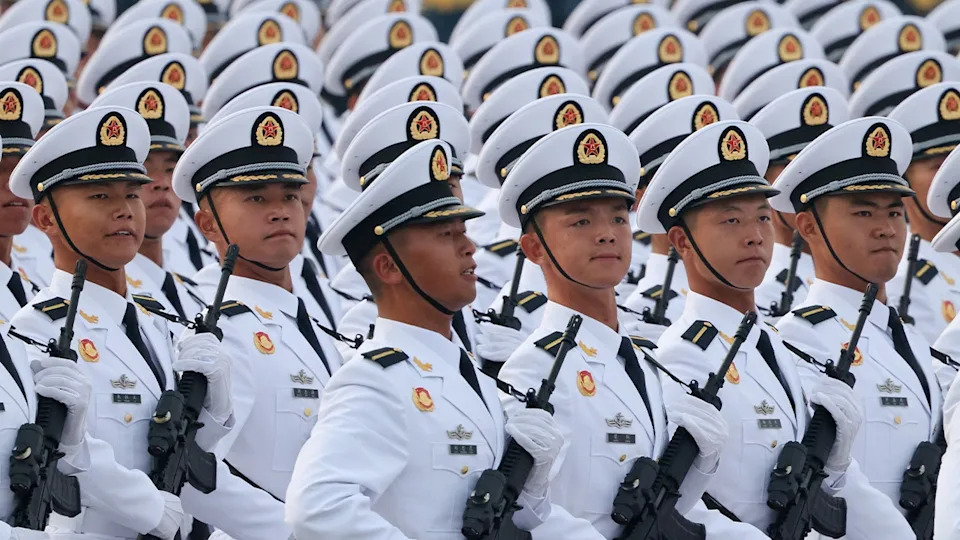
Members of Chinese People's Liberation Army Navy rehearse ahead of a military parade to mark the 80th anniversary of the end of World War II, in Beijing, China.
China's foreign ministry also denied the allegations, saying the United States is politicizing nuclear issues and reiterating that Beijing maintains a voluntary moratorium on explosive nuclear testing.
Implications And Uncertainties
Analysts say a magnitude 2.75 seismic event corresponds to a relatively small explosion by nuclear-test standards, and translating seismic magnitude into precise yield estimates is complex and depends on geology, depth and other factors. U.S. officials' references to "hundreds of tons" are intended to describe low-yield, yield-producing tests in TNT equivalent, but exact yields remain subject to technical uncertainty and independent verification.
Regardless of the precise yield, the allegations raise urgent policy questions: how to verify compliance with testing moratoria, whether current U.S. stockpile stewardship (based on simulations and non-explosive tests) remains sufficient if rivals conduct low-yield explosive tests, and how to restore confidence in arms-control dialogue amid intensifying great-power competition.
As officials and experts debate the technical evidence, the dispute underscores the broader diplomatic challenge of ensuring transparency and verifiability in the nuclear realm. Calls for independent analysis, data-sharing and renewed arms-control engagement have grown louder as both sides accuse the other of politicizing a matter central to global security.
Help us improve.