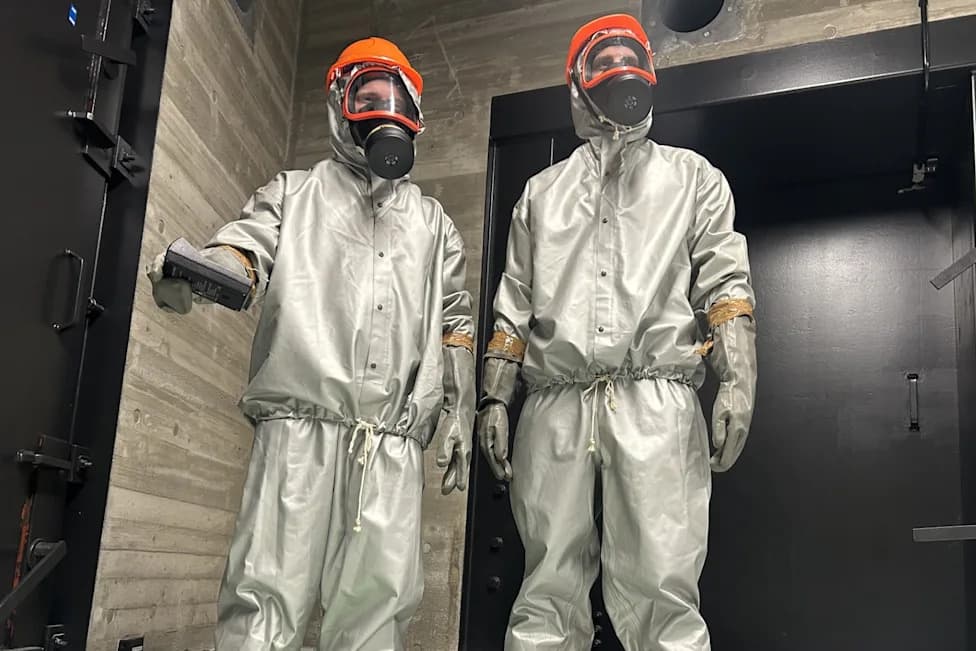
Slovakia is renovating Cold War fallout shelters as security concerns related to the war in neighbouring Ukraine rise. Nitra has been repairing its 17 shelters annually and plans to spend about €40,000 this year, though many sites lack proper ventilation, wiring and water supplies. The government has pledged to double national shelter capacity and aims for 30% coverage by 2040, while private demand for home shelters has surged since 2022.
Slovakia Overhauls Cold War Shelters as War in Ukraine Raises Local Concerns

Slovak Prime Minister Robert Fico (right) on his visit to Moscow last year. He says his country has nothing to fear from Russia (Alexander NEMENOV)(Alexander NEMENOV/POOL/AFP)
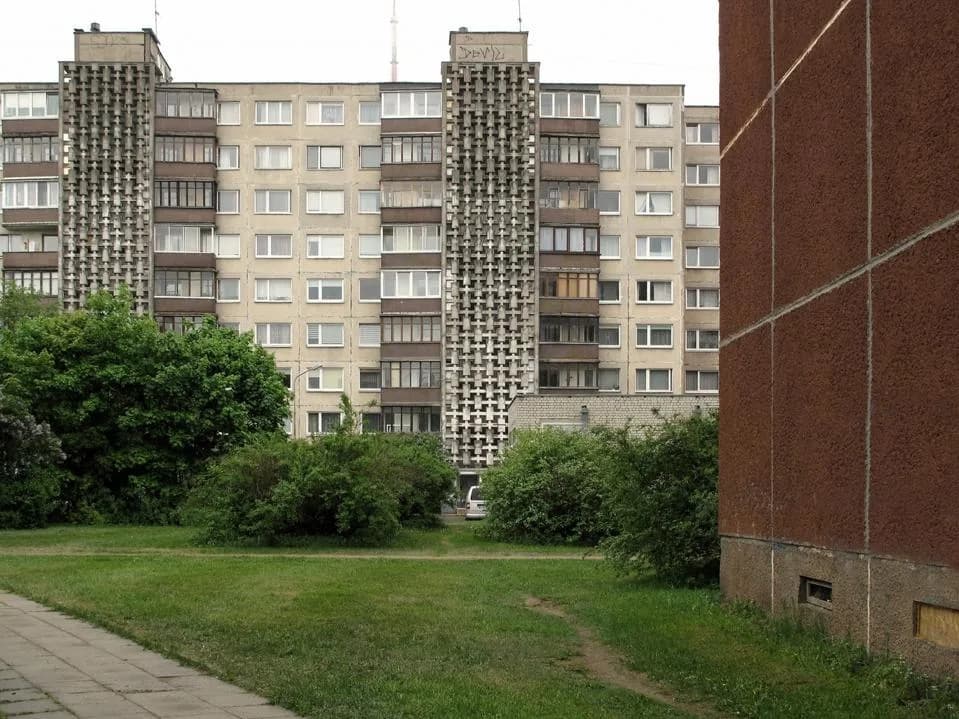
Local officials in the Slovak city of Nitra are refurbishing Cold War-era fallout shelters as the war in neighbouring Ukraine brings security concerns closer to home. Though many residents say the conflict still feels distant, municipal leaders and civil-protection authorities are taking practical steps to prepare for potential spillover.
Backdrop: Slovakia borders Ukraine to the east and has so far avoided the cross-border drone strikes that prompted air-raid alerts in neighbouring Poland and Moldova. Prime Minister Robert Fico — who has cultivated ties with Russia and opposes sending military assistance to Ukraine — has repeatedly sought to reassure Slovaks that they need not fear Moscow. Still, the government has committed to expanding shelter capacity amid growing unease.
Nitra’s Repairs and Shortfalls
The city of Nitra, roughly a five-hour drive from the Ukrainian border, maintains 17 subterranean shelters that the council has been repairing annually since Russia’s full-scale invasion in 2022. This year the municipality plans to spend about €40,000 (roughly $47,500) on maintenance and upgrades — a modest outlay compared with the sums needed to make the shelters fully operational.
Civil-protection officials say many shelters were built to be airtight and to withstand chemical or biological threats, but years of neglect have left them in poor condition. "None is in a technical condition fit to protect residents from hazardous substances," civil-protection officer Dalibor Bubinak told AFP from a run-down shelter beneath a retirement home. Reported problems include obsolete ventilation and electrical wiring, inadequate water supplies, mouldy walls and broken doors.
National Picture And History
Slovakia has about 1,500 public shelters with a combined capacity for roughly 250,000 people, according to the interior ministry; about a quarter of that capacity is concentrated in Bratislava. After the 1989 fall of communism, many shelters were transferred to municipalities, businesses or private owners — some have been converted into bars or cultural spaces, while others were abandoned.
Government Response
Last month the government pledged to "increase the current shelter capacity by 100 percent" as part of a new security strategy and to raise public awareness and preparedness. Interior Minister Matus Sutaj Estok launched an audit in May 2025, highlighting "mouldy walls, broken doors and obsolete ventilation." He set a national goal of making shelters accessible to at least 30% of Slovaks (around 1.7 million people) by 2040 and suggested the European Union could help finance upgrades.
Slovakia, which joined the EU and NATO in 2004, has maintained defence spending at about 2% of GDP since the invasion — in line with NATO guidance — but the central bank expects spending may fall below that target this year amid austerity pressures and coalition disputes over defence and aid to Ukraine.
Private Market And Public Awareness
With government funds limited, demand for privately built safety rooms and underground shelters has risen sharply. Peter Bako of NSA SR said his firm supplies above-ground safety rooms (about €7,900) and reinforced-concrete underground shelters (around €45,000), and that demand has increased "by around 75 percent annually since 2022." Private shelters are not centrally registered because there is no reporting requirement.
Public awareness remains low in many places: several Nitra residents interviewed by AFP said they did not know the location of the nearest public shelter. "I haven't really looked into it," said retired doctor Zuzana Nurgasova, while retired professor Vladimir Popelka said he never felt threatened enough "to look for a place to hide." Municipal officials say improving signage, education and access is part of the broader preparedness plan.
What This Means: The upgrades in Nitra and the government’s pledge reflect a pragmatic shift toward civil-protection readiness, even as political leaders debate foreign policy and defence priorities. Substantial investment, better maintenance and clearer public information will be required to translate pledges into real protection for citizens.
Help us improve.