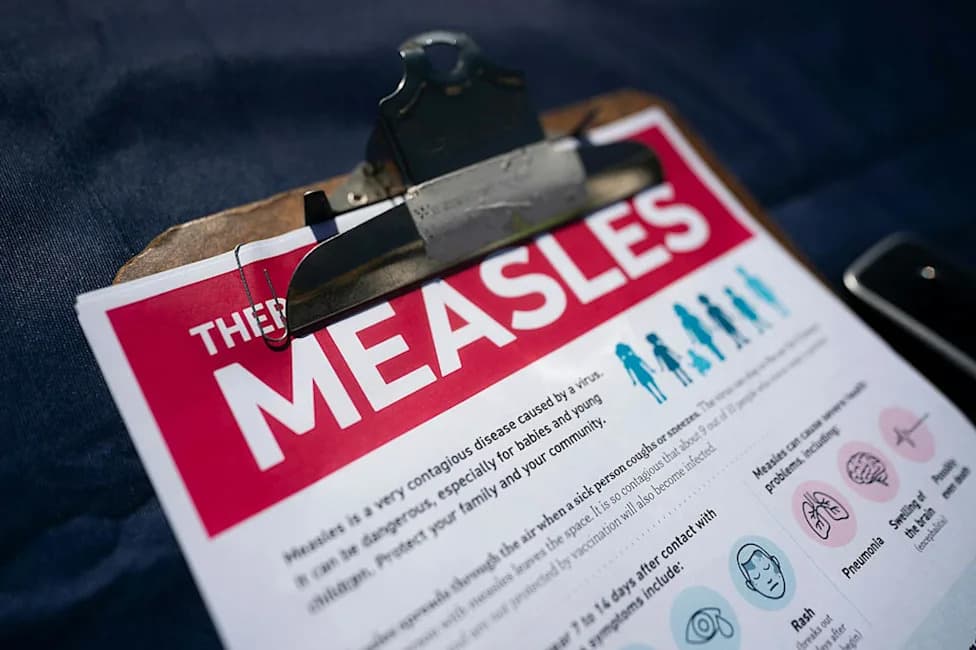
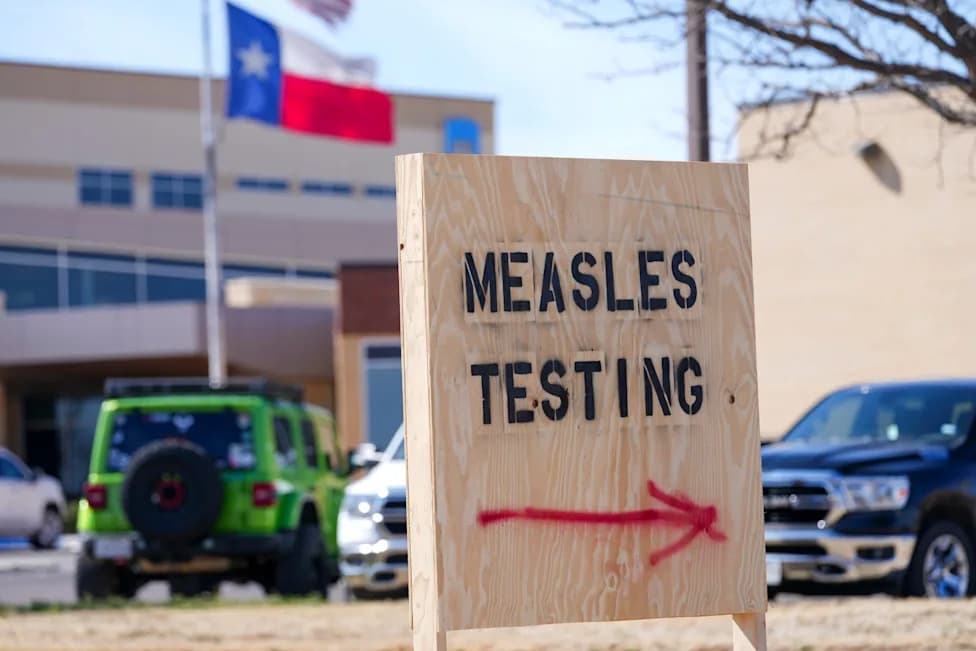
More than 40 measles cases have been reported at Ave Maria University in southwest Florida, making it the largest recent measles outbreak on a U.S. college campus. The Florida Department of Health recorded 46 confirmed cases in Collier County from Jan. 1–Feb. 7, and the university reports 48 nurse-assessed students have passed the contagious period. The campus remains open while exposed students are quarantined; most of the community is reported vaccinated, and prior infection or full MMR vaccination provides about 98% protection.
Measles Cluster at Ave Maria University: 40+ Cases Mark Largest Recent U.S. College Outbreak
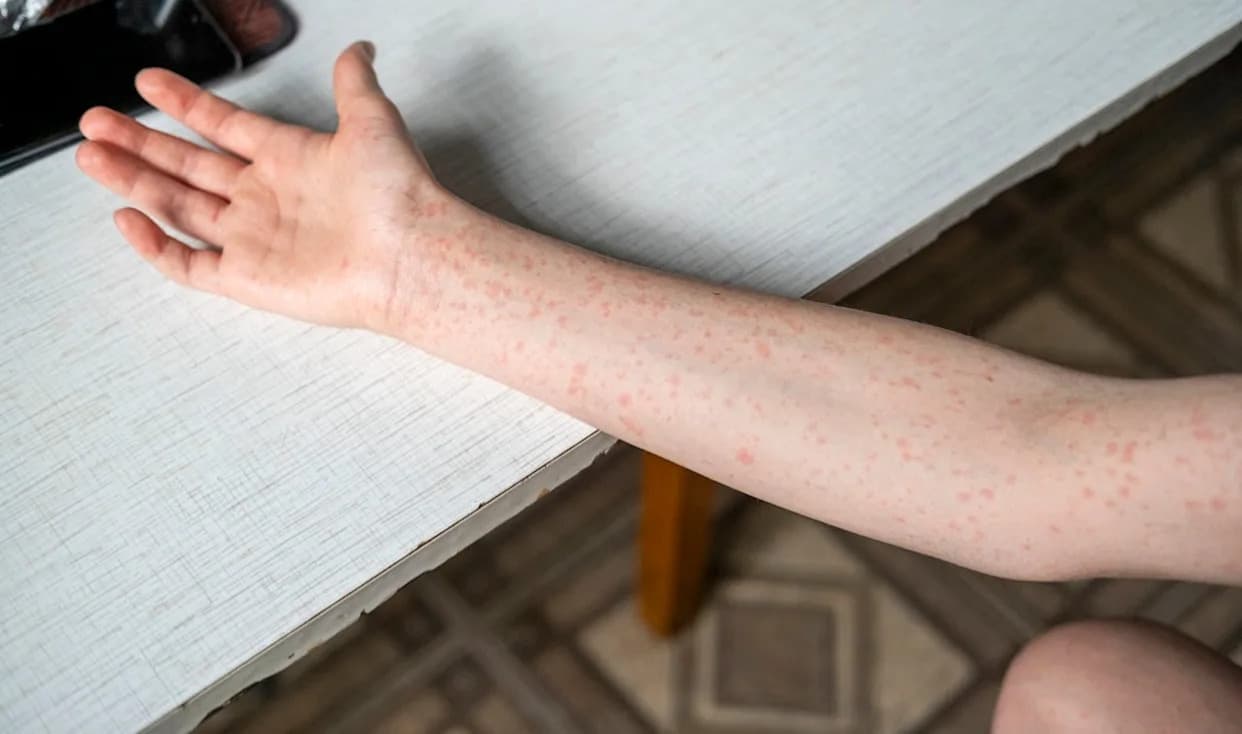
Largest measles outbreak in recent history reported on southwestern Florida college campus
More than 40 measles cases have been reported at Ave Maria University in southwest Florida, creating what public health officials describe as the largest measles outbreak on an American college campus in recent years. The cluster comes amid a nationwide resurgence of measles, with 2,280 confirmed infections in 2025 and more than 900 cases reported so far in 2026.
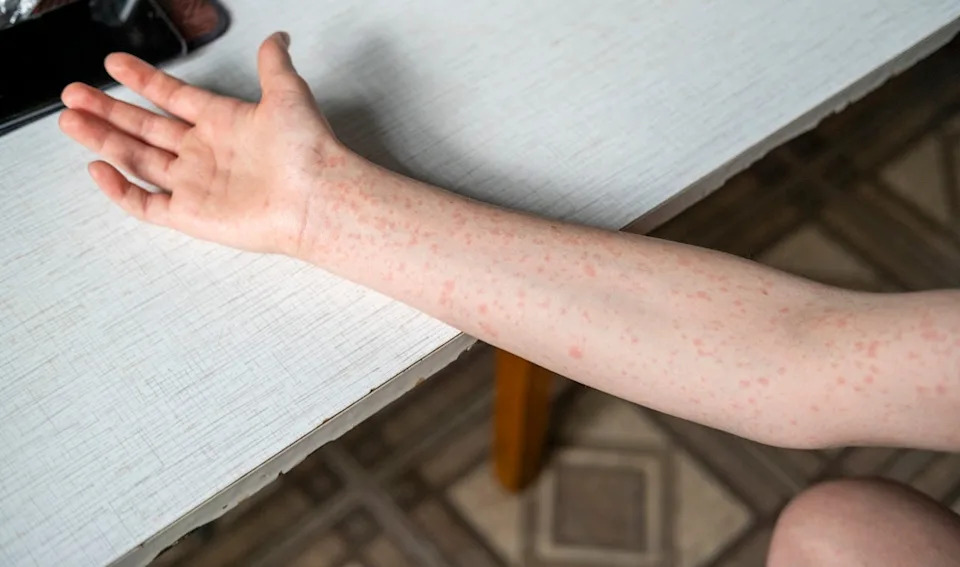
Several universities have reported measles activity this year, but the scale at Ave Maria sets it apart from the others.(iStock)
Outbreak Details
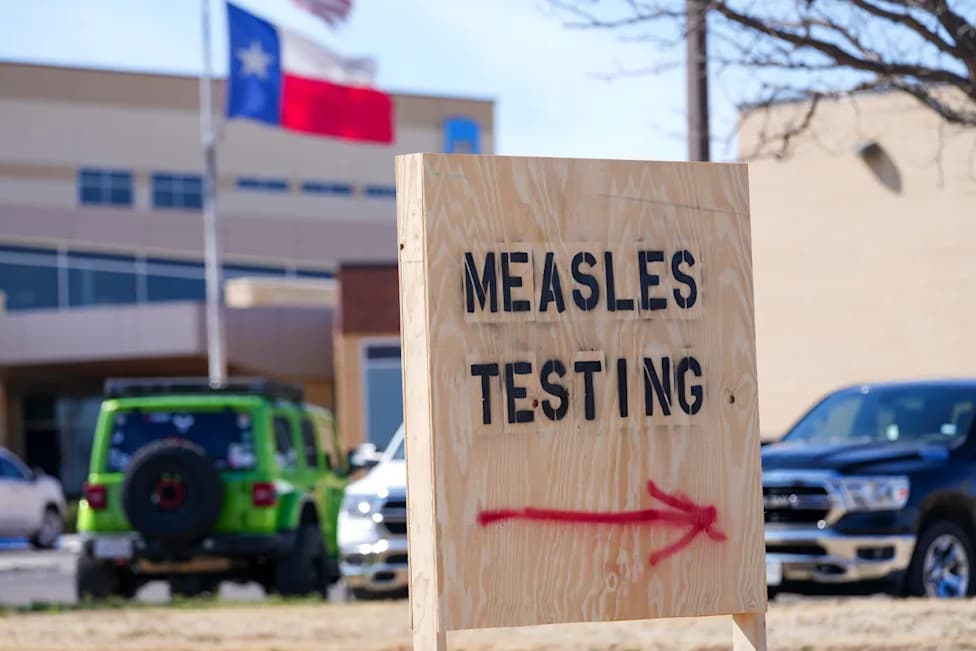
The Florida Department of Health (DOH) updated its data to show 46 confirmed measles cases in Collier County from Jan. 1 through Feb. 7, identifying Ave Maria University as the primary site in the cluster. In an online update posted Feb. 10, the university said:
"Since the start of the semester, 48 nurse-assessed students have progressed beyond the contagious period and now have natural immunity."
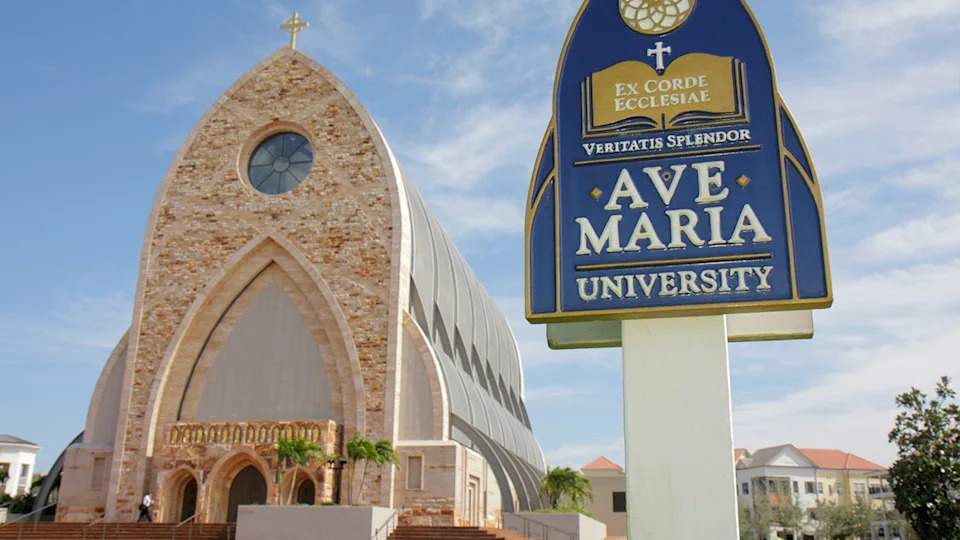
More than 40 measles cases have been reported at Ave Maria University in southwest Florida, marking the largest outbreak on an American college campus in recent history.
Quarantine, Contagious Period and Campus Response
According to the DOH, people with measles can be contagious from four days before a rash appears to four days after its onset. Ave Maria University has quarantined students who were assessed by nurses and who fell within the contagious window around rash onset. Despite the cluster, the university reports that the campus remains open for in-person classes and Mass while health staff manage quarantine and contact tracing.

The "vast majority" of the campus community is vaccinated, and the school remains open for normal operations, including in-person classes and Mass.
Vaccination Policy and Protection
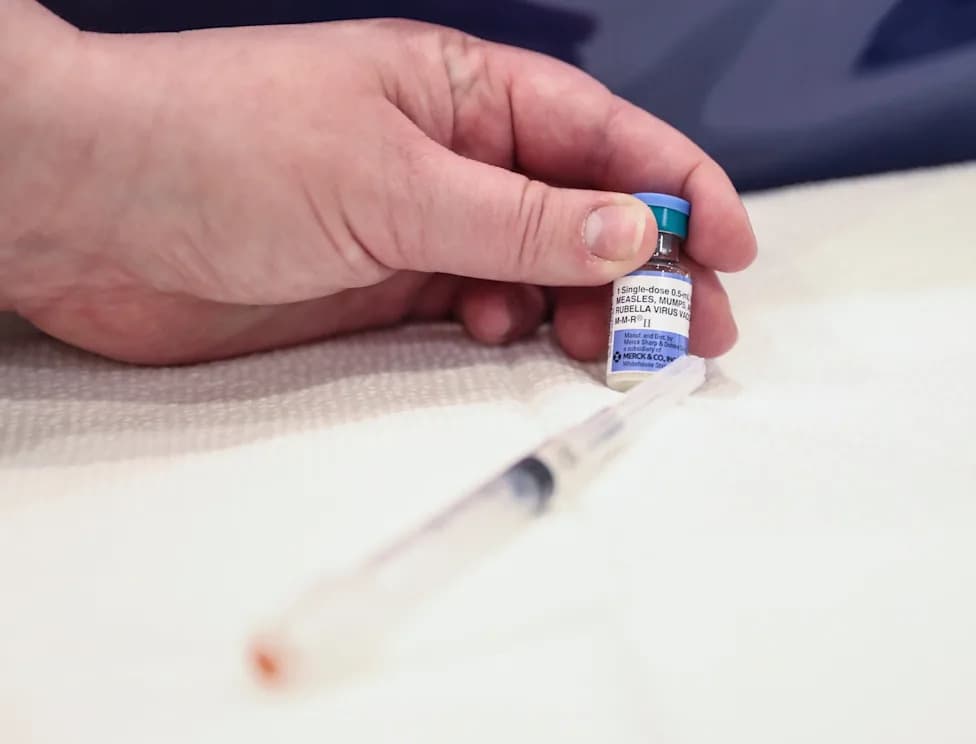
Ave Maria requires proof of vaccination but—under Florida law—permits students to opt out by signing religious or personal waivers. University health updates state that the vast majority of the campus community is vaccinated. The DOH notes that people with a documented prior measles infection or those who have completed the full measles, mumps and rubella (MMR) vaccine series are about 98% protected and are unlikely to contract measles.
Health Risks and Guidance
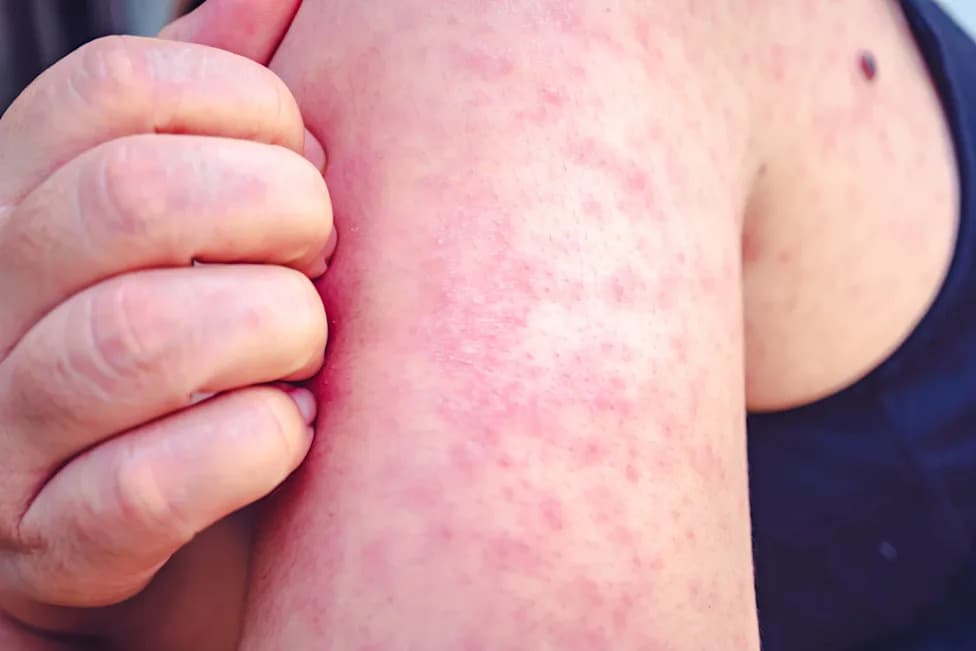
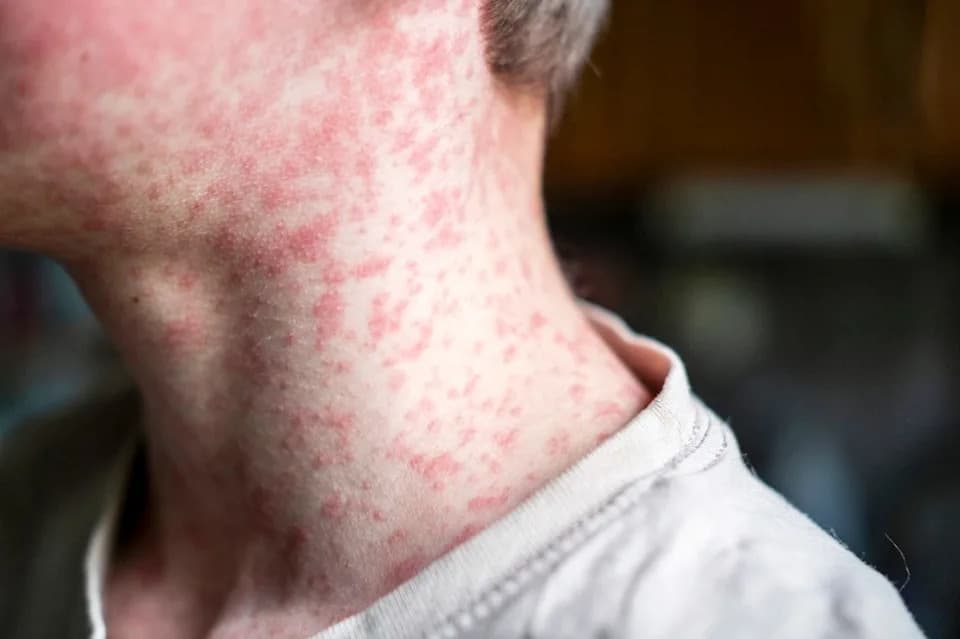
Measles is highly contagious and can lead to serious complications, including pneumonia and, in rare cases, encephalitis or irreversible neurological damage. Typical early symptoms include high fever, cough, runny nose, and red eyes, followed by a characteristic rash. Health officials urge anyone exposed or showing symptoms to contact their healthcare provider, verify MMR vaccination status, and follow local health guidance on testing and quarantine.
What Students Should Do: Check vaccination records, report symptoms to campus health services, isolate if symptomatic, and follow instructions from public health authorities.
Help us improve.