Cities across the U.S. are adopting fees, bans and local ordinances to limit federal immigration enforcement within their jurisdictions. Measures include Portland’s municipal impact fee on an ICE-leased building, Cambridge’s ban on ICE use of city property and strengthened sanctuary rules in Beaverton and Ann Arbor. The federal government has mounted legal challenges, arguing such local controls are unlawful, and courts are already weighing competing claims.
Cities Push Back: Fees, Bans and Local Ordinances Target Federal Immigration Agents

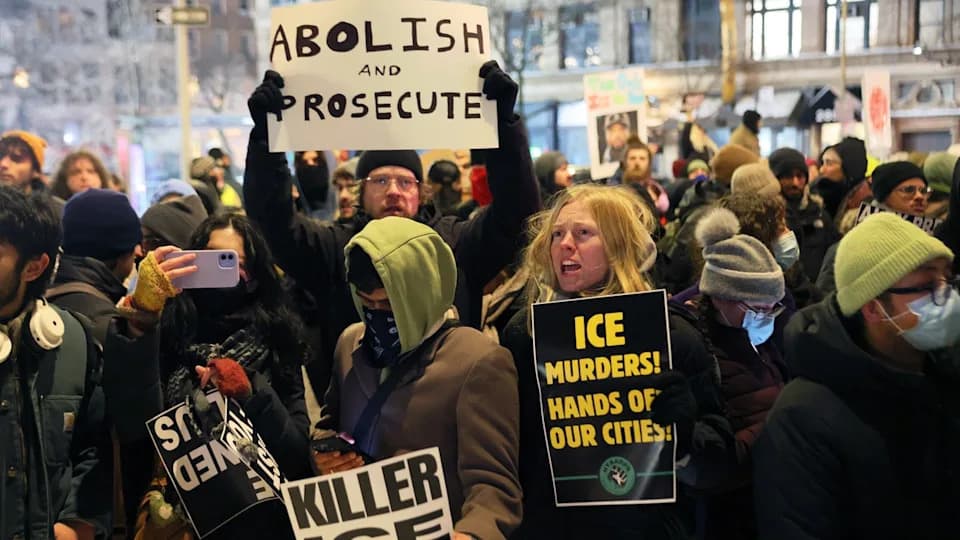
Local governments across the United States are adopting a range of measures to complicate federal immigration enforcement—everything from municipal fees on buildings used by Immigration and Customs Enforcement (ICE) to bans on chemical crowd-control and limits on the use of city property. These actions, concentrated in liberal municipalities such as Portland, Cambridge and Richmond, reflect growing local outrage after recent high-profile incidents involving federal agents.
City leaders say they are seeking pragmatic, legally defensible ways to protect their communities and assert local priorities while recognizing constitutional limits on how far they can restrict federal activity.
Local Measures and Motivations
Portland has become a focal point for resistance. City Council President Jamie Dunphy described local tactics as a way to slow federal activity:
“Sand in the gears is the best approach that we have found so far,”Dunphy said. Portland has imposed a municipal impact fee on a building leased by ICE and is considering a ban on the use of tear gas or other chemical agents against demonstrators.
Nearby Beaverton recently strengthened its sanctuary-style rules limiting local cooperation with federal immigration enforcement and is weighing a proposal that would allow local police to stop federal agents for reckless driving. Mayor Lacey Beaty emphasized caution and enforceability:
“If we rush something and can't legally enforce it, we don't move the ball,”she said.
In Cambridge, City Manager Yi-An Huang said the city is using tools within its authority after the council barred ICE from using city-owned property for enforcement activities. Huang noted there have been no reported incidents in Cambridge itself but said officials had heard reports from neighboring communities.
Ann Arbor’s City Council unanimously reinforced its sanctuary program, focusing on actions the city can control. Mayor Christopher Taylor said the changes were narrowly tailored to local authority:
“We are doing the best we can,”he said.
Federal Response And Legal Challenges
Many of these local policies face legal scrutiny. In California, the Trump administration sued to overturn a state law that would have prohibited federal immigration agents from hiding their faces; a federal judge recently blocked that provision while upholding a separate requirement that agents display badge numbers and agency identification. Litigation over the scope of state and local authority is expected to continue.
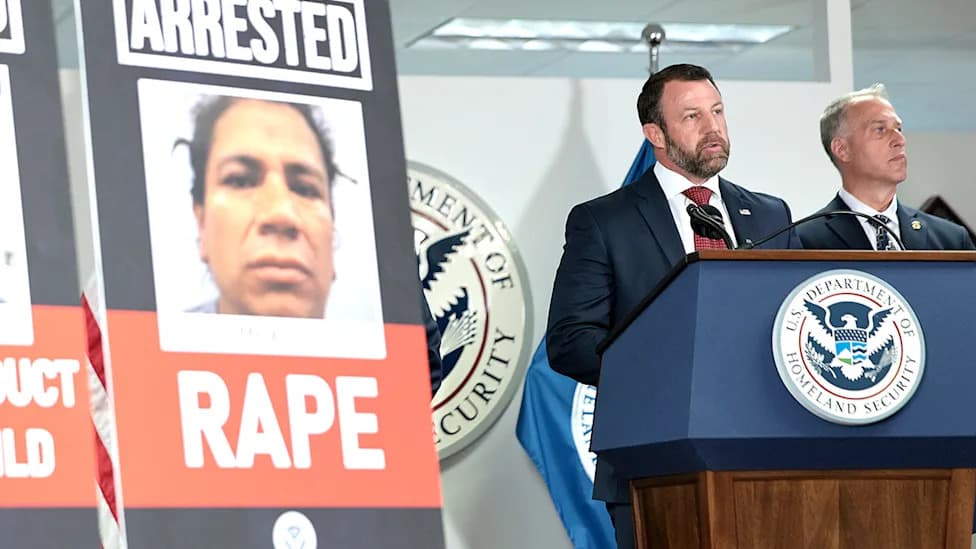
The White House dismissed some local efforts as misguided. White House spokeswoman Abigail Jackson said critics who target law enforcement rather than criminals were
“simply doing the bidding of criminal illegal aliens.”The Department of Homeland Security added that state and local laws seeking to regulate federal agents are unlawful and noted that federal officials acting in the course of their duties enjoy immunity from state liability.
Local officials, aware of these constitutional and statutory limits, are increasingly pursuing incremental, targeted measures they believe are defensible in court or that can at least slow or complicate federal operations. Portland has also challenged the federal deployment of National Guard troops to respond to protests over immigration policy, illustrating the broader legal and political battles playing out between localities and federal authorities.
What Comes Next
As litigation proceeds and political pressure remains high, expect more municipalities to pursue narrowly tailored ordinances, fees and administrative restrictions that push at the edges of federal authority. Whether these efforts produce lasting changes or are struck down in court will depend on ongoing legal battles and the balance struck between federal supremacy and local governance.
Help us improve.