The column argues that the Individual Taxpayer Identification Number (ITIN), created to allow certain noncitizens to file U.S. taxes, has broader consequences: it can enable access to tax credits, mortgages, bank accounts and possibly future Social Security credits. A federal judge recently prevented the IRS from sharing ITIN data with Homeland Security, citing potential chilling effects on tax filings. The author urges Congress to reconsider policies that he says unintentionally encourage unauthorized work and competition for jobs and housing.
Opinion: The ITIN — Does A Tax ID Let Undocumented Immigrants Compete For Jobs, Homes And Benefits?
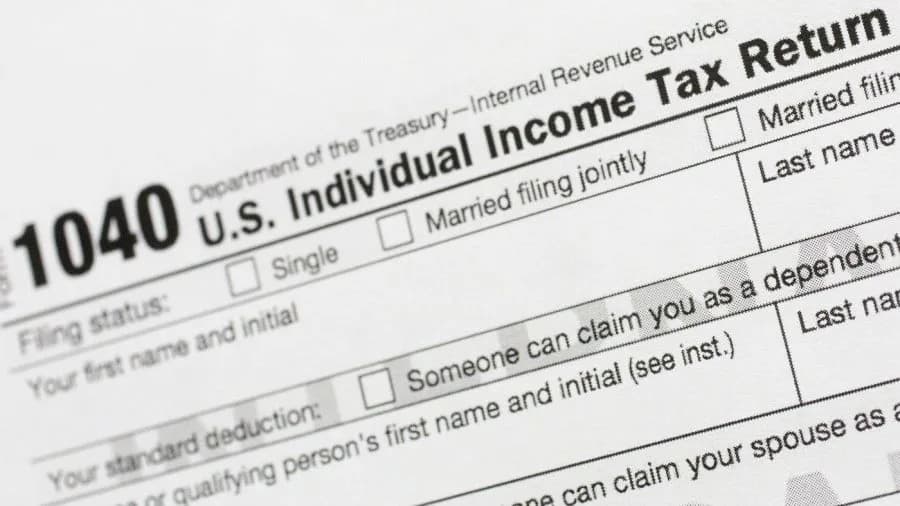
The Individual Taxpayer Identification Number (ITIN) sits at the center of a heated policy debate: intended as a narrow tool to allow noncitizens to file taxes, critics say it also normalizes unauthorized residence and can open pathways to credits, mortgages, bank accounts and—potentially—future Social Security benefits.
What Is An ITIN?
The ITIN is a tax processing number issued by the Internal Revenue Service to individuals who need to file U.S. taxes but are not eligible for a Social Security number. Its stated purpose is limited: to enable tax filing and tax payments on wages earned in the United States by people who do not have work authorization.
Revenue, Policy Signals, And The Broader Debate
Proponents say ITINs help the tax system by bringing more filers into compliance and generating revenue. Critics counter that the modest tax receipts from ITIN holders—described in the column as "a few billion dollars"—are small compared with broader costs the author attributes to unauthorized residence.
Beyond revenue, tax rules also send policy signals. The column argues that providing an official taxpayer identifier to people here unlawfully can normalize illegal immigration and create incentives for unauthorized work and residence.
Specific Concerns Raised
The piece highlights several concrete ways ITINs are used and the controversies that follow:
- Tax Credits: Some ITIN filers may qualify for refundable tax credits — for example, certain childcare-related credits — when they pay for work-related childcare.
- Data Sharing And Privacy: A federal judge issued a preliminary injunction barring the IRS from sharing ITIN holder identities with the Department of Homeland Security, reasoning that disclosure could lead some undocumented workers to forgo tax benefits they otherwise are entitled to claim.
- Housing And Mortgages: ITINs can be used by lenders that offer ITIN-friendly mortgage programs, enabling some noncitizen borrowers to buy homes. The column argues this increases competition in housing markets and cites a 42 percent rise in housing prices during the period it attributes to policy choices under the Biden-Harris administration.
- Banking And Licenses: Many major banks accept ITINs to open interest-bearing accounts, and in some states ITINs can be used to obtain driver’s licenses or other state-issued credentials.
- Future Benefits: Advocates and some critics warn that ITIN records could be used to document continuous residence if an eventual legalization program or amnesty were enacted, and the IRS has said it will help people who later obtain Social Security numbers receive credit for past earnings in some cases.
Where The Debate Goes From Here
The column concludes with a policy recommendation: Congress should revisit laws and regulations that, in the author's view, effectively reward unauthorized work and residence by providing taxpayer identifiers and related access to financial products and credits. Supporters of that view argue this would better protect U.S. workers and housing affordability; opponents say it would deter tax compliance, reduce transparency and harm public revenue.
Author: Mike Paranzino is a communications consultant.
Copyright 2026 Nexstar Media, Inc. All rights reserved. This material may not be published, broadcast, rewritten, or redistributed.
Help us improve.