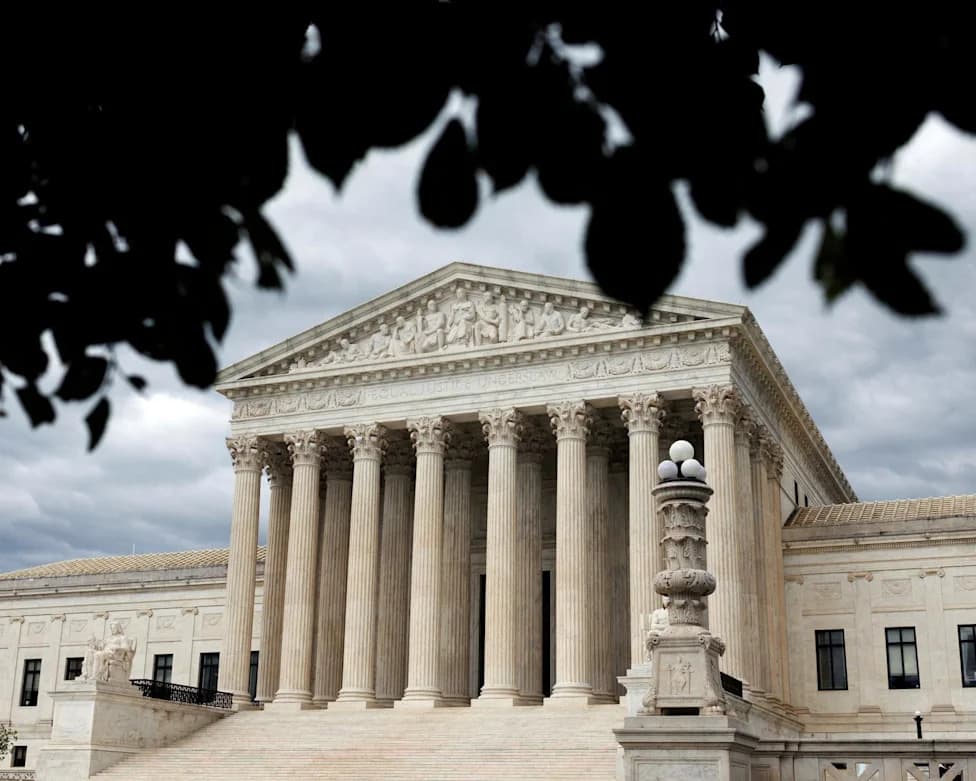
The Texas Supreme Court will decide whether a recently adopted parental‑rights amendment shields parents from state intervention even when their disciplinary methods may amount to abuse. The case stems from a December 2023 ruling that terminated the rights of two parents after findings of prolonged wall stands, belt beatings, kneeling on rice, and food deprivation. Proponents warn of "state overreach," while critics stress the state’s duty to protect children; the court’s decision could set a national precedent on the limits of parental authority.
Discipline or Abuse? A Texas Case That Could Redefine Parental Rights Nationwide

In December 2023, Texas officials terminated the parental rights of two parents after finding they violated sections of the Texas Family Code that permit termination when a parent "engaged in conduct or knowingly placed the child with persons who engaged in conduct which endangers the physical or emotional well‑being of the child."
The parents appealed, and the Texas Court of Appeals upheld the trial court’s ruling. The appeals court cited evidence that the mother’s disciplinary methods "crossed the line into abuse," including prolonged wall stands or wall sits lasting for hours, beatings with a belt, kneeling on grains of dry rice for extended periods, and episodes of food deprivation. The court also concluded the father had "knowingly placed the children with a person who engaged in conduct which endangered the children’s physical or emotional well‑being."
About a year after the appeals decision, Texas voters adopted a constitutional amendment that enshrined parental rights, declaring that parents have the right "to exercise care, custody, and control of the parent’s child, including the right to make decisions concerning the child’s upbringing," and the responsibility "to nurture and protect the parent’s child." The measure passed overwhelmingly and has reinvigorated the parents’ efforts to restore their parental rights.
That effort is now before the Texas Supreme Court, which must resolve a fundamental question: does a parent’s constitutional right to "custody and control" insulate them from state intervention even when their conduct credibly endangers a child’s physical or emotional welfare? The stakes are high—this case could clarify whether the amendment creates near-absolute parental authority or whether the state can still act to protect children in clear cases of abuse.
Arguments On Both Sides
The parents argue their actions were traditional discipline—disfavored by parts of society, perhaps, but not constitutionally sufficient to justify termination of parental rights. Advocacy groups that supported the Parental Rights Amendment, such as the Family Freedom Project, frame the dispute as a warning against state overreach. They acknowledge that abuse and neglect exist and deserve protection, but they argue courts and child-welfare agencies sometimes impose demands that "far exceed any compelling state interest," risking wrongful family separation.
Supporters of broad parental authority point to Supreme Court precedents. For example, in 1989 the U.S. Supreme Court held the government has no constitutional duty to prevent child abuse by private actors, with then‑Chief Justice William Rehnquist stressing that the Constitution limits state power but does not guarantee "certain minimal levels of safety and security" or impose an affirmative duty on the state to shield individuals from private harm.
Why This Decision Matters
Whatever the Texas Supreme Court decides will matter beyond this single family. If the court interprets the amendment to create a near‑absolute shield for parental "custody and control," it could constrain state child‑protection agencies and make it harder to remove children from dangerous situations. Conversely, a ruling that affirms the state's power to act in clear instances of abuse would preserve legal space for child‑welfare intervention despite the amendment.
As Yale law professor Akhil Amar observed years ago, an abused child abandoned by the state is like a slave left to the mercy of a slave master; modern law should guard against that outcome.
The Texas Constitution protects parental prerogatives so parents can "nurture and protect" children. When a parent’s conduct is neither nurturing nor protective, the state has a compelling interest in intervening to safeguard the child. The Texas Supreme Court’s forthcoming ruling will help determine how those competing commitments are balanced under the state constitution—and it will likely influence similar disputes in other states.
Austin Sarat is the William Nelson Cromwell Professor of Jurisprudence and Political Science at Amherst College.
Help us improve.