Ministers propose expanding Parenting Orders so courts can compel parents to attend interventions, impose higher fines, dock benefits or, in very rare and extreme cases, impose custodial sentences. Jake Richards described the measures as a "carrot-and-stick" approach aimed at increasing parental involvement, while officials stress judges would retain discretion and custodial sanctions would be exceptional. Critics favour voluntary, supportive engagement and warn that punitive sanctions risk harming vulnerable families. The reforms follow the Southport Inquiry's findings of systemic failings before the 2024 child murders.
Parents Could Lose Benefits Or Face Rare Jail Terms Under Expanded 'Parenting Orders', Minister Says

[Getty Images]
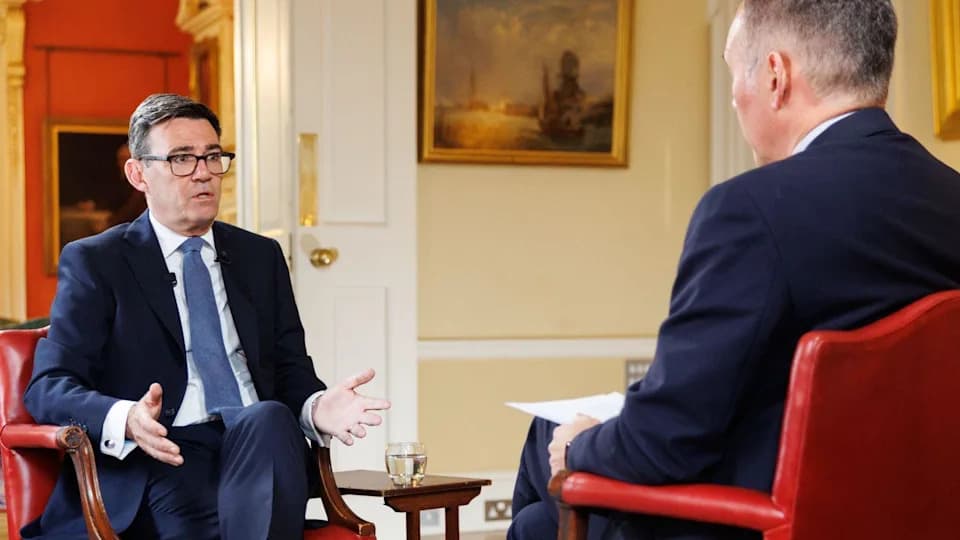
Youth Justice Minister Jake Richards has told The Times that proposed reforms to the youth justice system would allow courts to hold parents more directly accountable for their children's offending — potentially through higher fines, benefit sanctions or, in the most extreme and rare cases, custodial sentences.
The government set out plans in May to broaden and strengthen Parenting Orders, which currently can require parents or guardians to attend counselling or face fines. Richards described the package as a "carrot-and-stick" approach designed to increase parental involvement in efforts to turn around young offenders.
What Ministers Say
"Parenting orders are going to make sure that parents are more involved in the process by which we try to turn around young offenders,"Richards told The Times, adding that any custodial measures would be reserved "in the most extreme cases" and remain a matter for judicial discretion.
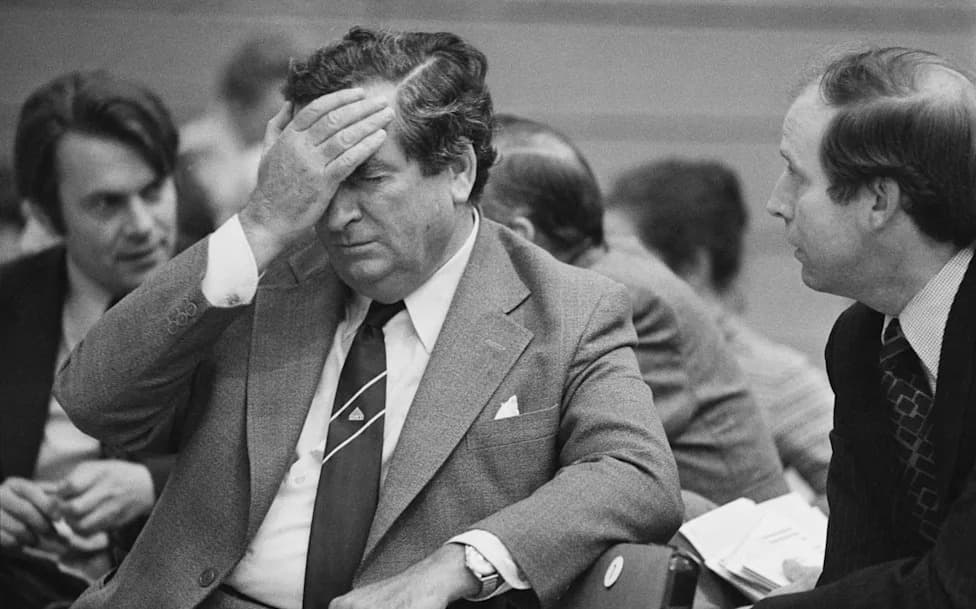
When the white paper was published in May, then-Justice Secretary David Lammy said stronger Parenting Orders would create "real consequences for parents and carers who wilfully fail to support efforts to address their children's behaviour." He told BBC Breakfast that judges could intervene to ensure struggling parents and young people get the support they need, and that the power to jail parents would be used "very, very rarely."
Context And Concerns
Courts are already required to consider issuing a Parenting Order when a child under 16 is convicted; judges may also consider them for 16- and 17-year-olds if the order would help prevent further offending. However, government figures show the use of Parenting Orders has fallen sharply—from more than 1,000 in 2009/10 to just 33 in 2022/23.
Critics warn that voluntary engagement and supportive interventions are generally more effective than punitive measures for addressing family dynamics and preventing reoffending. They argue that sanctions such as benefits docking or fines risk harming vulnerable families without addressing underlying problems.
The proposals follow Phase One of the Southport Inquiry, which concluded that "catastrophic" failures by the parents of the Southport killer and by various agencies meant opportunities to prevent the 2024 child murders were missed. Ministers say the reforms aim to ensure earlier intervention and clearer parental responsibility while keeping custodial options as a last resort.
The government plans to consult further and set out legislative detail in due course. Any use of custodial sentences for parents would be subject to judicial oversight and expected to be exceptionally rare, ministers say.
Help us improve.