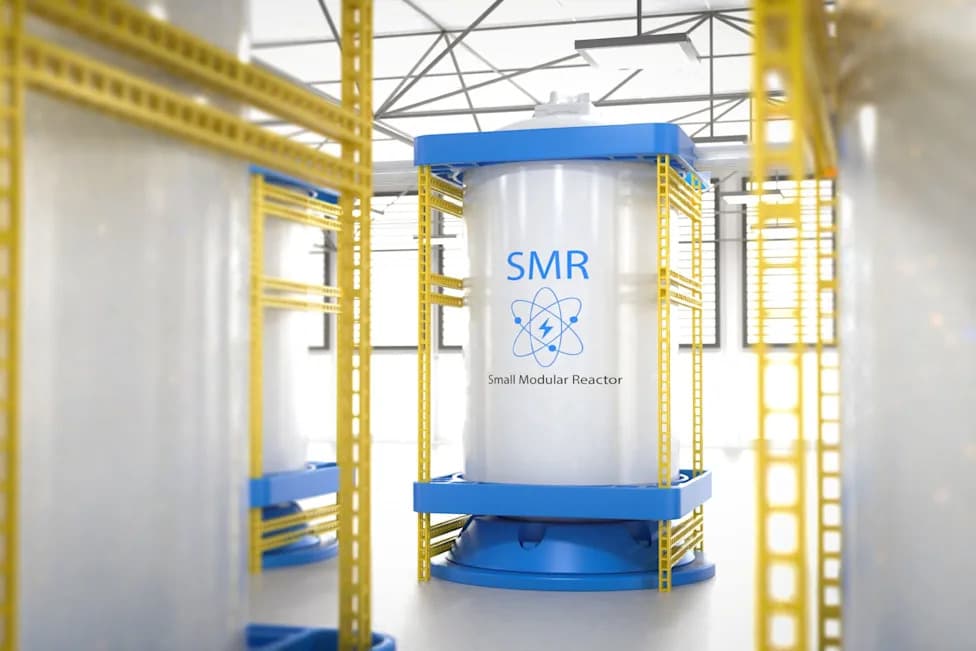
The Department of War airlifted a next-generation nuclear reactor by C-17 from March Air Reserve Base (California) to Hill Air Force Base (Utah). The reactor is slated for testing at the Utah San Rafael Energy Lab in Orangeville to evaluate support for military and remote operations. Officials tied the deployment to President Trump’s May executive orders to accelerate domestic nuclear development and bolster energy resilience.
Department of War Airlifts Next-Generation Nuclear Reactor To Utah For Military Testing
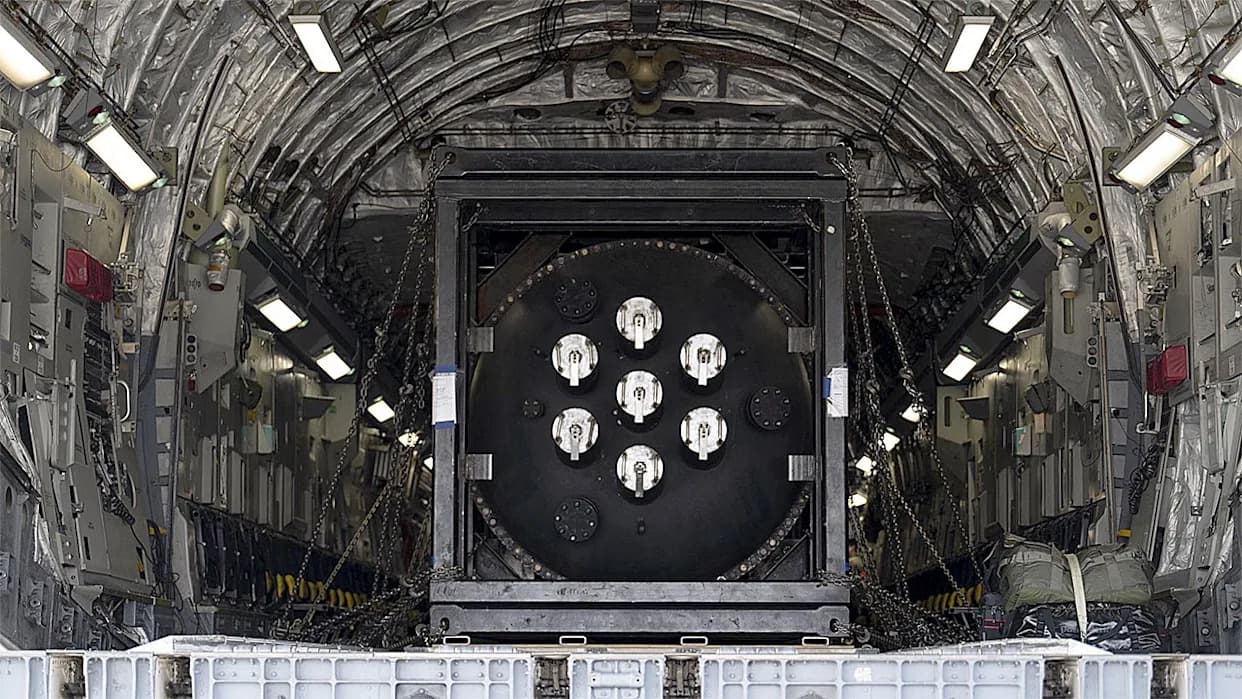
Department of War transports next-generation reactor in nuclear energy milestone
The Department of War on Sunday airlifted a next-generation nuclear reactor from March Air Reserve Base in California to Hill Air Force Base in Utah aboard a C-17 transport aircraft, officials said. The shipment advances administration directives to modernize U.S. nuclear energy infrastructure and strengthen national security.
Planned Testing And Purpose
Officials said the reactor is scheduled to be moved to the Utah San Rafael Energy Lab in Orangeville for testing and evaluation. That testing phase will assess how advanced reactor systems could support military installations and remote defense operations by providing resilient, distributed power.
Administration Goals And Policy Context
The Department of War posted images on X showing the reactor secured on the C-17. In its announcement the agency said, "We’re advancing President Trump’s executive order on nuclear energy. Moments from now, we will airlift a next-generation nuclear reactor."
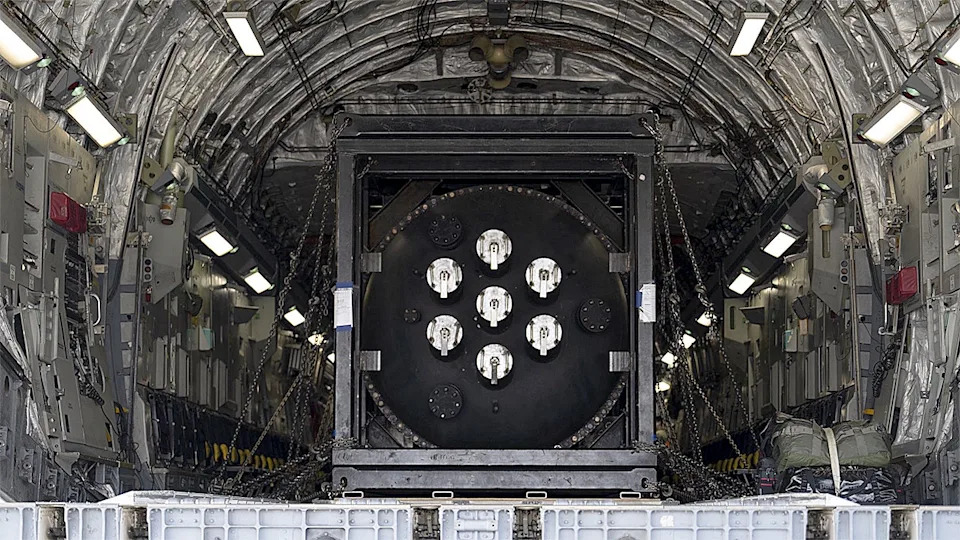
The Department of War airlifted a next-generation nuclear reactor to Utah, advancing President Trump’s push to modernize U.S. energy and strengthen national security.(Fox News)
"By harnessing the power of advanced nuclear technology, we are not only enhancing our national security but championing a future of American energy dominance," the agency said in a press release.
The move comes amid a broader push from the administration to accelerate domestic nuclear development. In May, President Donald Trump signed executive orders aimed at reforming Energy Department research and development, accelerating reactor testing at national laboratories, and establishing pilot programs to speed new reactor construction.
Broader Energy Strategy
Officials tied the reactor program to wider efforts to reinforce energy production and grid reliability. Shortly after the nuclear directives, the president signed an order directing the Department of War to coordinate with coal-fired power plants on long-term power purchasing agreements to support grid resilience.
Administration leaders — including Interior Secretary Doug Burgum and War Secretary Pete Hegseth — framed these moves as steps to restore U.S. leadership in nuclear technology and ensure reliable power for defense operations and critical technologies such as artificial intelligence.
Fox News Digital has sought additional comment from the Department of War. The Department indicated the airlift and subsequent testing are intended to demonstrate how advanced nuclear systems could enhance energy resilience for defense missions and remote operations.
Help us improve.