Rising living and production costs are driving New York’s creative workers out of the city. A Center for an Urban Future report finds creative employment down 6.1% since 2019 and shows creatives earn about 23% less than the national average after cost-of-living adjustments. Median rent rose 42% over the past decade while creative incomes rose only 25%. City leaders are proposing housing protections, union job growth, training programs and a citywide cultural festival to try to retain talent.
Rising Costs Force New York’s Creative Community to Leave — Can the City Turn the Tide?
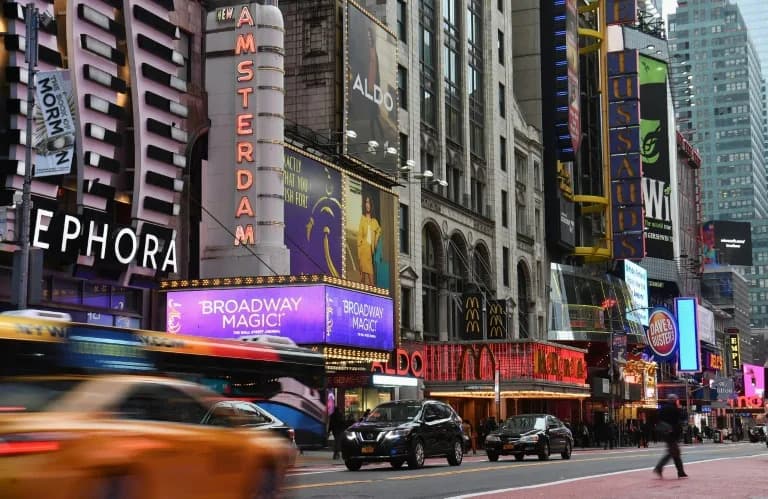
Affordability issues are increasingly driving creatives in New York to bid farewell to one of the world's cultural capitals (Angela Weiss)(Angela Weiss/AFP/AFP)
After two decades working as a makeup artist for film and television, Noel Jacoboni says she feels she has little choice but to leave New York City after being "priced out" by rapidly rising living and production costs. Her story exemplifies a broader trend: affordability is pushing creative professionals away from one of the world's cultural capitals.
Affordability Pressures
According to a December report from the Center for an Urban Future, employment in New York's creative fields — from design and advertising to fashion and media — fell 6.1% since 2019. Roughly 326,000 people currently work in the city's cultural and creative industries, but many are relocating to cities such as Miami, Dallas and Nashville in search of lower costs and steadier opportunities.
Eli Dvorkin, co-author of the report: "Artists were hit harder during the (Covid-19) pandemic than nearly any other workforce in the city. Since then, costs have risen far faster than incomes, and artists are really feeling the squeeze."
The report highlights a widening pay gap: when adjusted for cost of living, creatives in New York now earn about 23% less than the national average, up from a 15% shortfall a decade ago. Over the past decade median household rent in New York rose 42%, while creative-sector salaries increased just 25% — well below the citywide average gain of 44%.
Impact On Jobs and Venues
Declines have been sharp in several subsectors: cinema and TV employment is down 19.1% since 2020, advertising has fallen 15.7%, and design jobs are down 14.3%. The city has also lost more than 50 cultural venues — theaters, music clubs, museums and galleries — since 2020, with rising rents, higher salary bills and insurance costs cited as major causes.
Even major institutions are feeling the strain: only four Broadway musicals launched in the past six years have turned a profit, and flagship organizations such as the Metropolitan Opera and the Guggenheim Museum have announced layoffs.
City Response And Ideas
Mayor Zohran Mamdani and his administration have made affordability a priority. Rafael Espinal, the mayor's head of media and entertainment, has pledged to "keep New York the creative capital of the world" and to make it a place where creative workers can actually afford to live. Espinal — a former leader of the Freelancers Union — has emphasized expanding good-paying union jobs and increasing access to training for underrepresented communities.
City Council Speaker Julie Menin supports reserving more rent-controlled units for artists, and the Center for an Urban Future has proposed a citywide cultural festival spanning all five boroughs to help revive the sector.
Outlook
The data show a creative ecosystem under pressure from an affordability crisis. Policy interventions — from housing set-asides and workforce development to new cultural programming — could help stem the outflow, but the challenge will be aligning public support, private investment and sustainable job growth to ensure New York remains a thriving home for artists and cultural workers.
Help us improve.