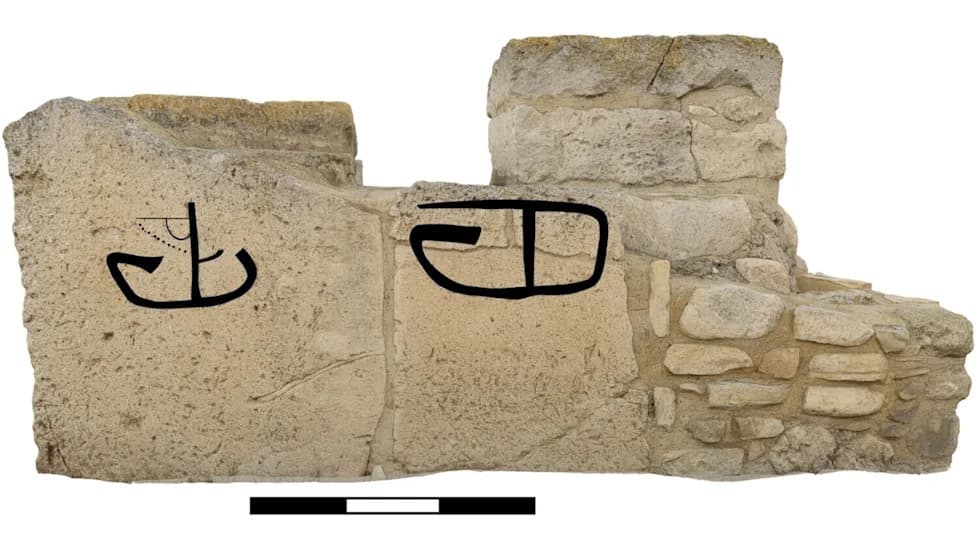
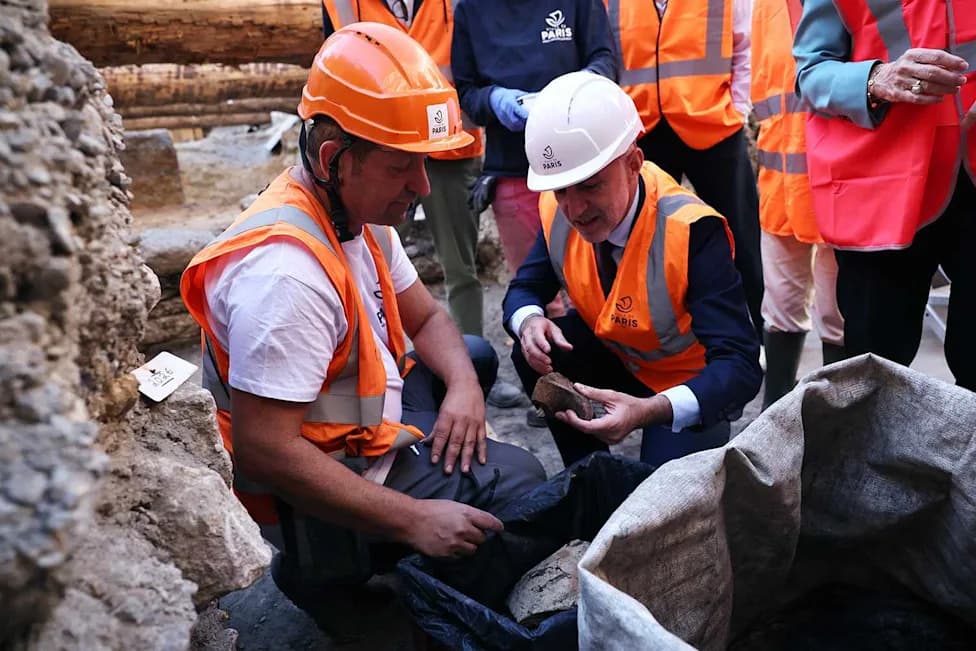
Archaeologists recovered 22 limestone and granite blocks from Alexandria's Eastern Harbor to aid a digital reconstruction of the Lighthouse of Alexandria (the Pharos). Each block weighs nearly 170,000 pounds, and the stones lay submerged for more than 1,600 years after medieval earthquakes toppled the structure. A French team catalogued over 3,300 fragments in the 1990s; engineers will now perform high-resolution scans and digital modeling to test assembly and collapse theories and create virtual walkthroughs that protect the fragile originals.
22 Massive Stone Blocks From the Lighthouse of Alexandria Recovered for Digital Reconstruction
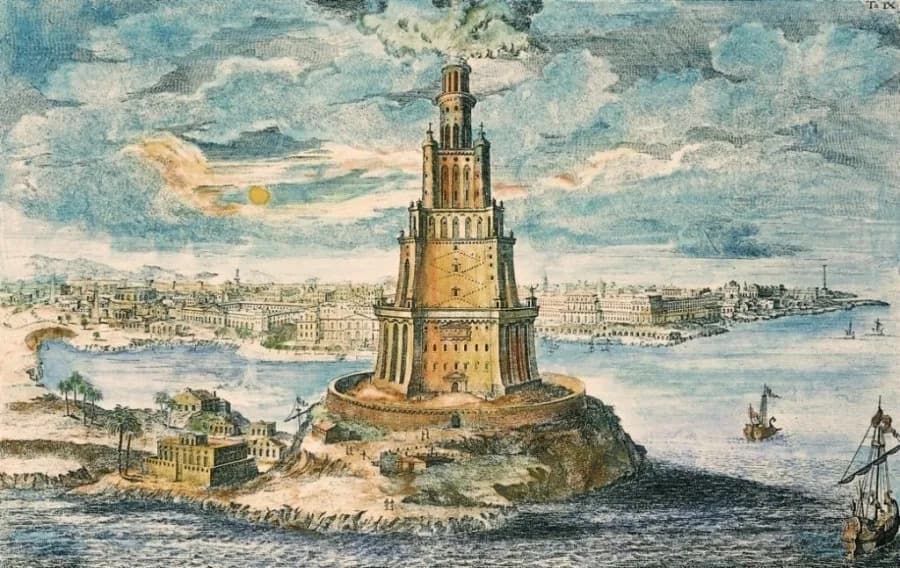
Archaeologists and engineers have recovered 22 limestone and granite blocks from the seabed of Alexandria's Eastern Harbor to study and digitally reconstruct the ancient Lighthouse of Alexandria, also known as the Pharos.
Discovery and Recovery
Divers lifted 22 blocks—each weighing nearly 170,000 pounds—from the harbor floor in a recovery effort that represents the most substantial single haul tied to the lighthouse to date. The stones had lain underwater for more than 1,600 years after a series of medieval earthquakes toppled the structure.
Historical Context
Built under Ptolemy II in the third century BCE, the Pharos of Alexandria was celebrated as one of the Seven Wonders of the Ancient World and was among the tallest man-made structures of its era. Its beacon was reportedly fed by a furnace at the summit, making it an engineering marvel and an early example of monumental lighthouse architecture.
Scientific Examination and Digital Reconstruction
French archaeologists first located and catalogued remains of the lighthouse in the 1990s, recording more than 3,300 fragments scattered across the harbor bed. The newly recovered blocks will undergo direct physical examination and high-resolution 3D scanning. Engineers will use the scans to create digital models that can test hypotheses about how the lighthouse was assembled and what kinds of seismic events could have caused its collapse.
Why This Matters
The digital reconstruction will allow researchers and visitors to experience the scale and design of the monument without risking further damage to fragile originals. Projected walkthroughs and virtual displays could bring the Pharos back to life in museums or at the site, while preserving invaluable archaeological material for future study.
What Comes Next: Conservation teams will stabilize and document the recovered blocks, and multidisciplinary teams of archaeologists, structural engineers, and digital modelers will collaborate on reconstruction and public presentation plans.
Help us improve.