President Cyril Ramaphosa told parliament he will deploy the army to tackle organised crime and pursue criminal charges against municipal officials who fail to provide water. Soldiers will be sent first to Western Cape and Gauteng as the government targets gangs feared to threaten public safety. Ramaphosa said water outages reflect failing local governance and infrastructure, citing protests in Johannesburg after some neighbourhoods went without taps for over 20 days. The announcements come as his coalition government faces pressure to show results before municipal elections.
Ramaphosa Vows Military Crackdown on Gangs, Promises Charges Over Water Failures Ahead of Elections
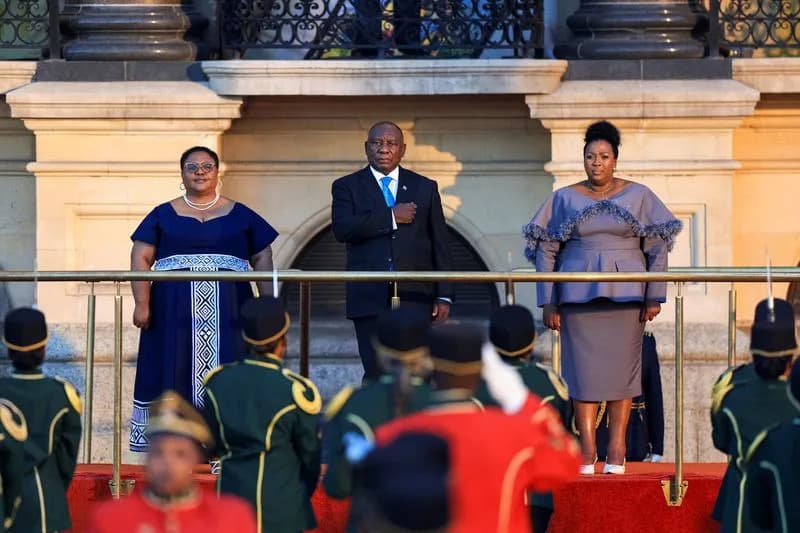
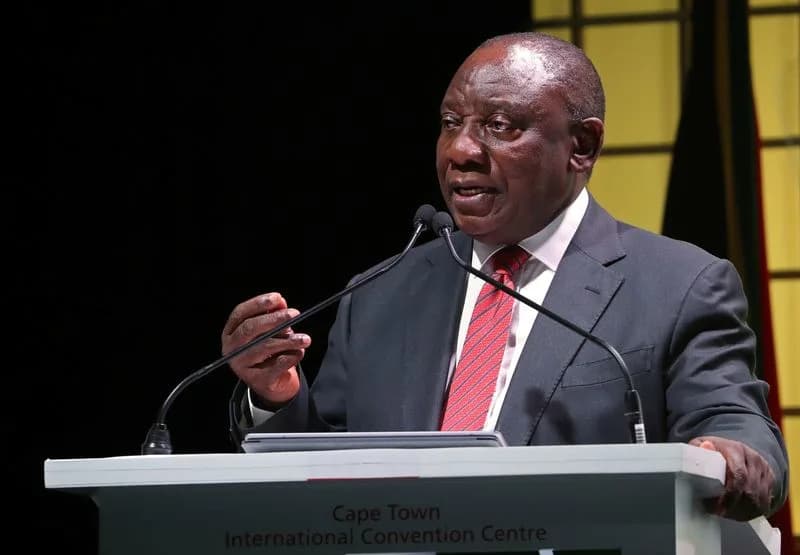
South African President Cyril Ramaphosa holds his hand on his chest during a national anthem at the Cape Town City Hall ahead of his State of the Nation Address (SoNA) in Cape Town, South Africa, February 12, 2026. REUTERS/Esa Alexander
South African President Cyril Ramaphosa told parliament on Thursday that his government will deploy the army to fight organised crime and will pursue criminal charges against municipal officials who fail to provide water to communities.
Crime Crackdown
“Organised crime is now the most immediate threat to our democracy, our society and our economic development,” Ramaphosa told lawmakers in his State of the Nation address. He said the primary focus this year will be to step up the fight against organised criminal syndicates.
"Our primary focus this year is on stepping up the fight against organised crime and criminal syndicates." — President Cyril Ramaphosa
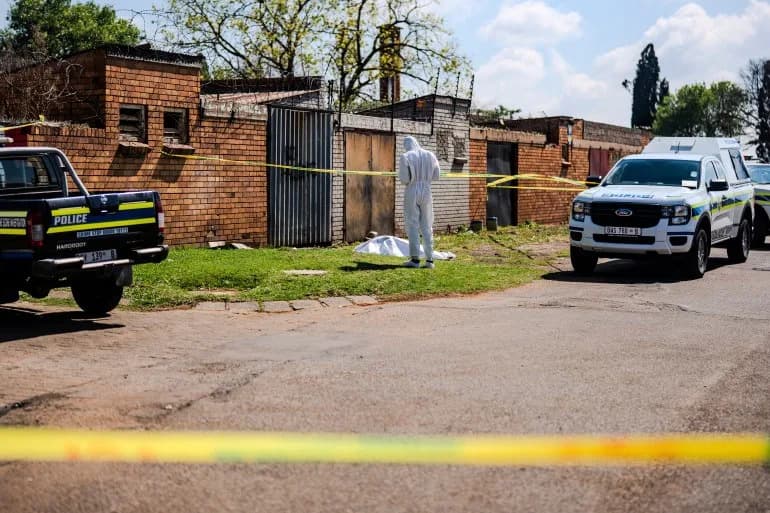
The president said soldiers would be deployed initially to the Western Cape and Gauteng — provinces severely affected by gang violence — and that he had instructed the minister of police and the defence forces to finalise operational details within days. Violent crime has left South Africa among the world's most dangerous peacetime countries, with more than 20,000 murders a year in a nation of roughly 63 million people. Ramaphosa also noted that most victims of violent crime are Black.
Water Crisis And Accountability
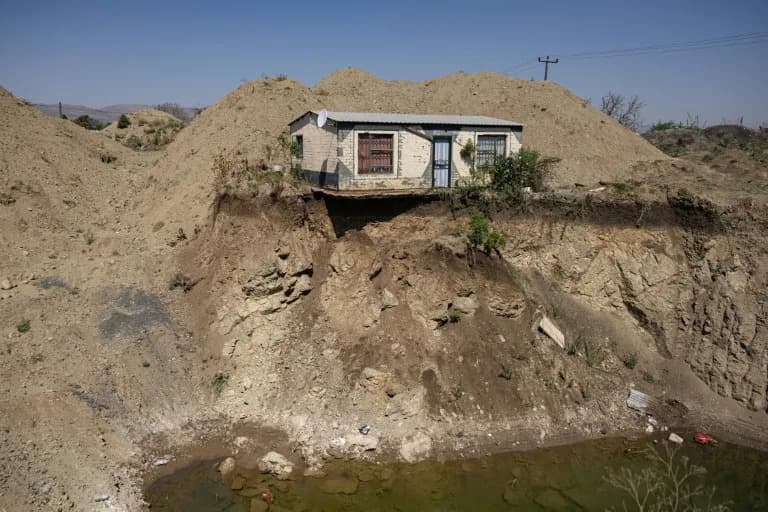
On the worsening water crisis, Ramaphosa described outages as a symptom of a dysfunctional local government system and blamed both a drying climate and repeated failures to maintain essential water infrastructure. "Water outages are a symptom of a local government system that is not working," he said, adding that officials who neglect their duty to supply water will be held to account and could face criminal charges.
Residents of Johannesburg staged scattered protests after taps in some neighbourhoods went dry for more than 20 days, underscoring public frustration ahead of municipal elections later this year.
Political Context
Ramaphosa, who became head of state in 2018, leads South Africa's first-ever coalition government since June 2024 after the African National Congress (ANC) lost its parliamentary majority. The coalition, which includes the pro-business Democratic Alliance, helped restore some investor confidence: chronic power cuts eased and markets rallied last year. However, persistent high unemployment and uneven service delivery continue to put pressure on the government to deliver tangible improvements.
International attention has also focused on crime in South Africa after a high-profile confrontation with U.S. President Donald Trump, who made unfounded claims last year alleging that white South Africans were facing genocide — assertions widely disputed and fact-checked.
Ramaphosa’s twin pledges—deploying troops against organised crime and pursuing legal action against local officials who fail to secure water supplies—signal an aggressive, enforcement-focused approach as the country heads into municipal elections, where public safety and basic services remain dominant voter concerns.
Help us improve.