The appeal by Marine Le Pen over alleged misuse of European Parliament funds concluded this week; a decision is expected likely before summer. Le Pen is contesting a March 2025 conviction that found her and other National Rally members diverted about €2.9 million in EU funds; the original sentence included a five-year ban from office and house arrest. At the appeal she admitted some aides worked for the party but said she believed the arrangements were lawful. Prosecutors called the scheme deliberate and have again requested a five-year ban and house arrest.
Marine Le Pen's Appeal Ends — Will She Be Able To Run In France’s 2027 Race?
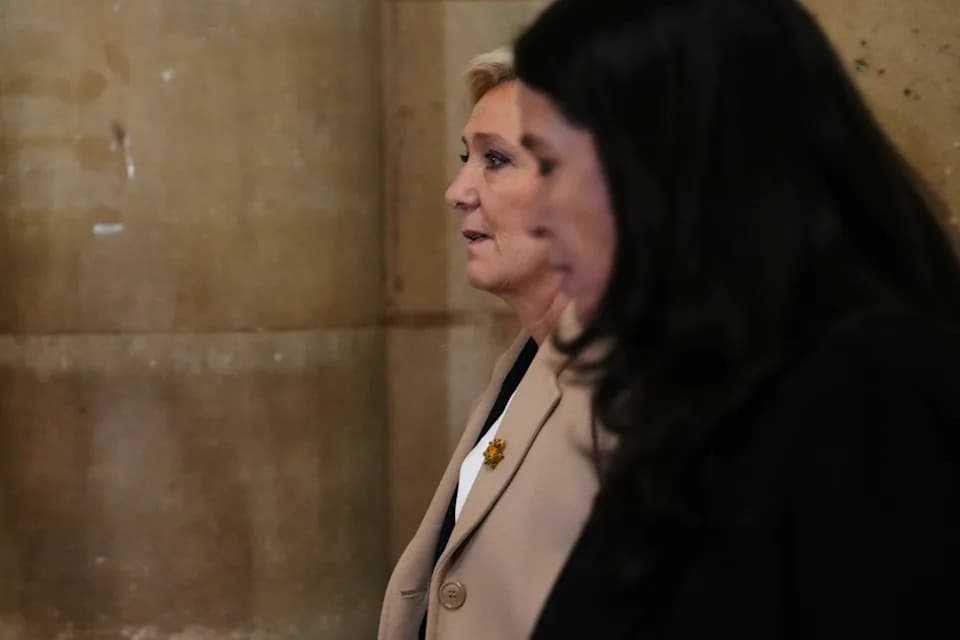
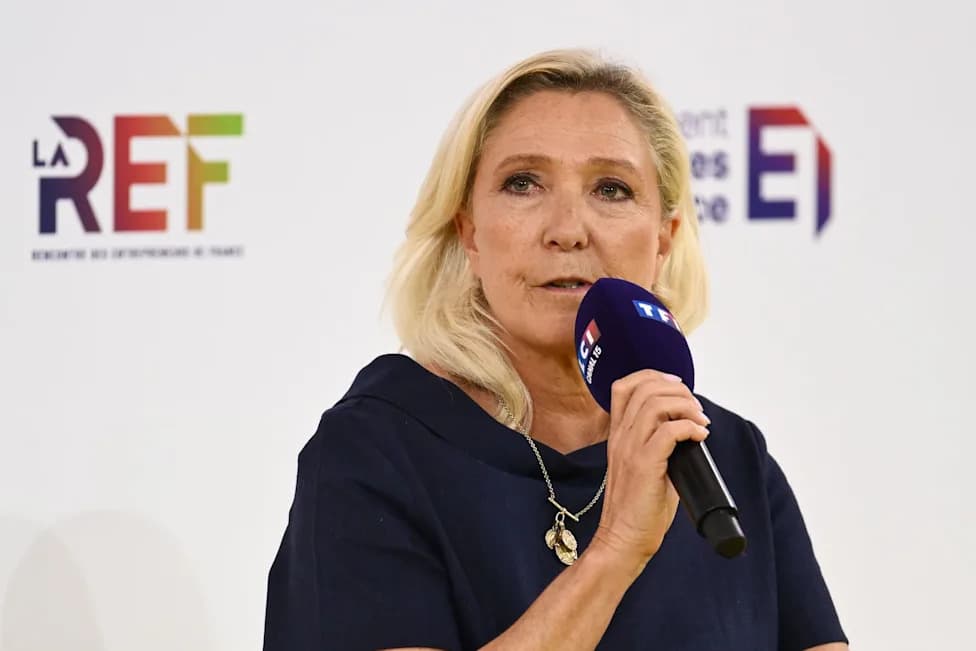
Far-right leader Marine Le Pen arrives for her appeal trial, in Paris, France, Wednesday, Feb. 11, 2026. (AP Photo/Aurelien Morissard)(ASSOCIATED PRESS)
The appeal hearing for Marine Le Pen over alleged misuse of European Parliament funds concluded Wednesday, leaving a central question for France’s political future: will the far-right leader be eligible to run in the 2027 presidential election?
Le Pen, 57, is contesting a March 2025 conviction that found her and more than 20 members of her National Rally party guilty of diverting roughly €2.9 million in European Parliament funds by hiring aides between 2004 and 2016. The original sentence included a five-year ban from holding elected office, two years of house arrest with an electronic bracelet and a further two-year suspended sentence.

Far-right leader Marine Le Pen arrives for her appeal trial, in Paris, France, Wednesday, Feb. 11, 2026. (AP Photo/Michel Euler)(ASSOCIATED PRESS)
What Was Argued At The Appeal
Le Pen denies orchestrating a fraudulent scheme and has argued that some aides did work for the party but that she believed those arrangements were permitted and not concealed. She also faulted European Parliament officials for not warning her party at the time that its hiring practices might breach rules.
“There were certainly some aides, on a case-by-case basis, who must have worked either marginally, more substantially, or entirely … for the benefit of the party,”
Le Pen told the three-judge panel, adding: “We have never concealed anything.”
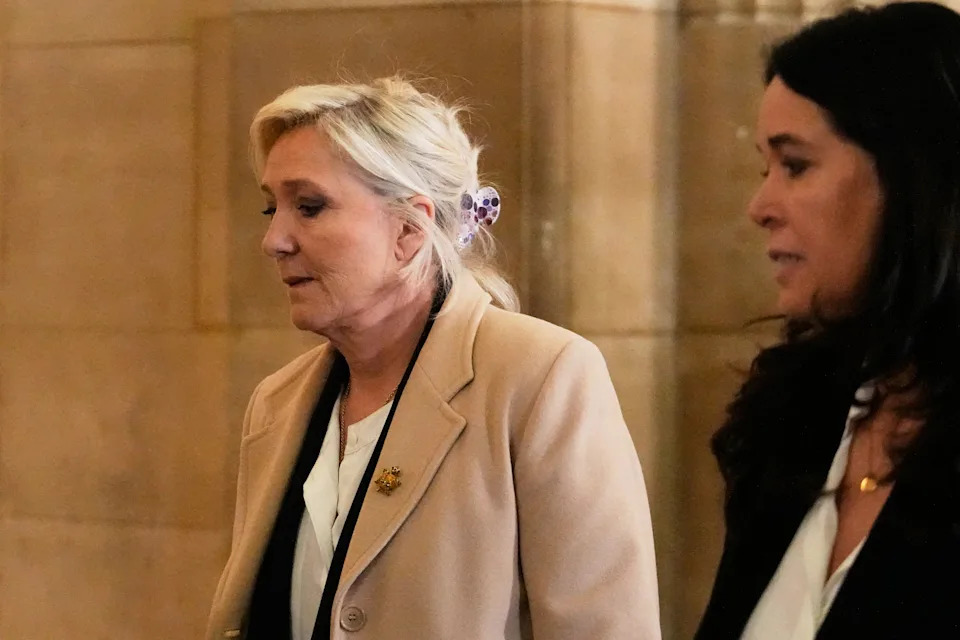
Far-right leader Marine Le Pen arrives for her appeal trial, in Paris, France, Wednesday, Feb. 11, 2026. (AP Photo/Michel Euler)(ASSOCIATED PRESS)
The National Rally’s lawyer, David Dassa-Le Deist, urged the appeals court to consider a "grey area" in the rules and stressed that any shortcomings were administrative rather than criminal, arguing party officials acted in good faith.
Prosecutors’ Case
Prosecutors say Le Pen knowingly employed people on European Parliament contracts while those individuals actually performed work for the party, giving National Rally an unfair financial advantage over domestic competitors. Investigators found aides who had little or no contact with MEPs and at least one person who served as Le Pen’s bodyguard — a role that breached parliamentary rules.
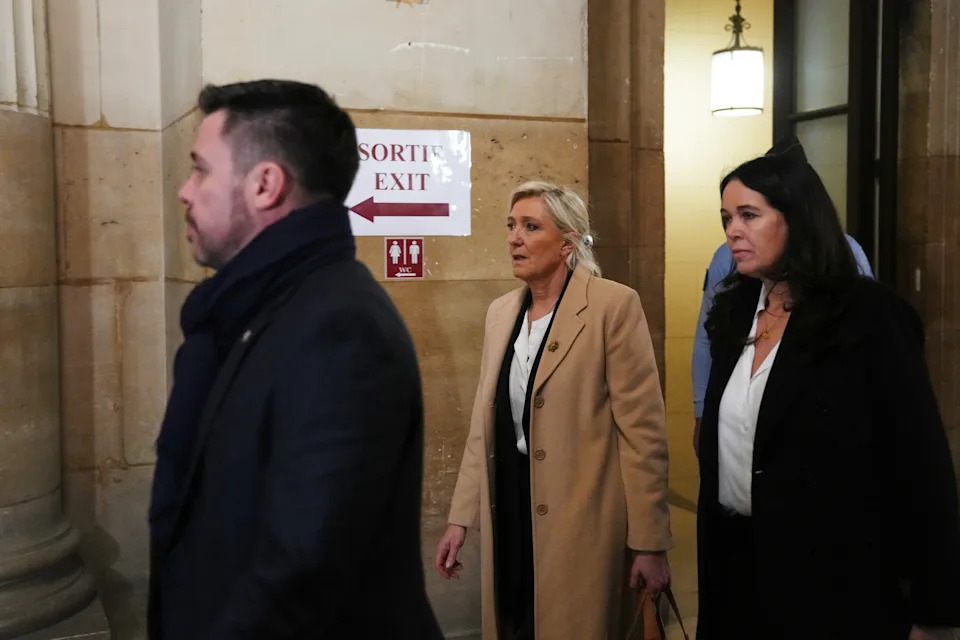
Far-right leader Marine Le Pen, center, arrives for her appeal trial, in Paris, France, Wednesday, Feb. 11, 2026. (AP Photo/Aurelien Morissard)(ASSOCIATED PRESS)
Prosecutor Stéphane Madoz-Blanchet accused the defendants of siphoning public money "drop by drop until it formed a river," calling the scheme deliberate and concealed. Colleague Thierry Ramonatxo described the alleged actions as a "very serious breach of probity" that produced substantial savings for the party at the European Parliament's expense.
At the appeal, prosecutors again asked the court to impose a five-year ban on Le Pen holding elected office and to sentence her to one year under house arrest with an electronic tag. House-arrest measures from the earlier ruling remain suspended while the appeal is pending.
Political Stakes
The appeal carries major implications for France’s 2027 presidential race. Le Pen twice reached the second round against President Emmanuel Macron (2017 and 2022) and her party has polled strongly in recent years. If the appeals court upholds the conviction and the ban stands, Le Pen has said her 30-year-old protégé Jordan Bardella would be the National Rally’s candidate — though observers note Bardella’s relative lack of experience on international and economic policy.
The appeals court will announce its decision at a later date, likely before summer. Until then, the outcome remains uncertain and could reshape the field for 2027.
Help us improve.