Journalist Yi-Ling Liu warns that framing U.S.-China AI competition as a winner-takes-all race may be misleading and harmful. She argues that the "race" narrative can accelerate development at the expense of safety and regulatory safeguards, citing DeepSeek-R1 as an overhyped "Sputnik moment." Liu recommends expanding track-two dialogues between scientists and civil-society actors to set shared safety norms, and highlights the rise of "China envy" in tech and the risks of increased global dependence on Chinese platforms and hardware.
What We’re Getting Wrong About China, AI and the ‘Race’ Narrative
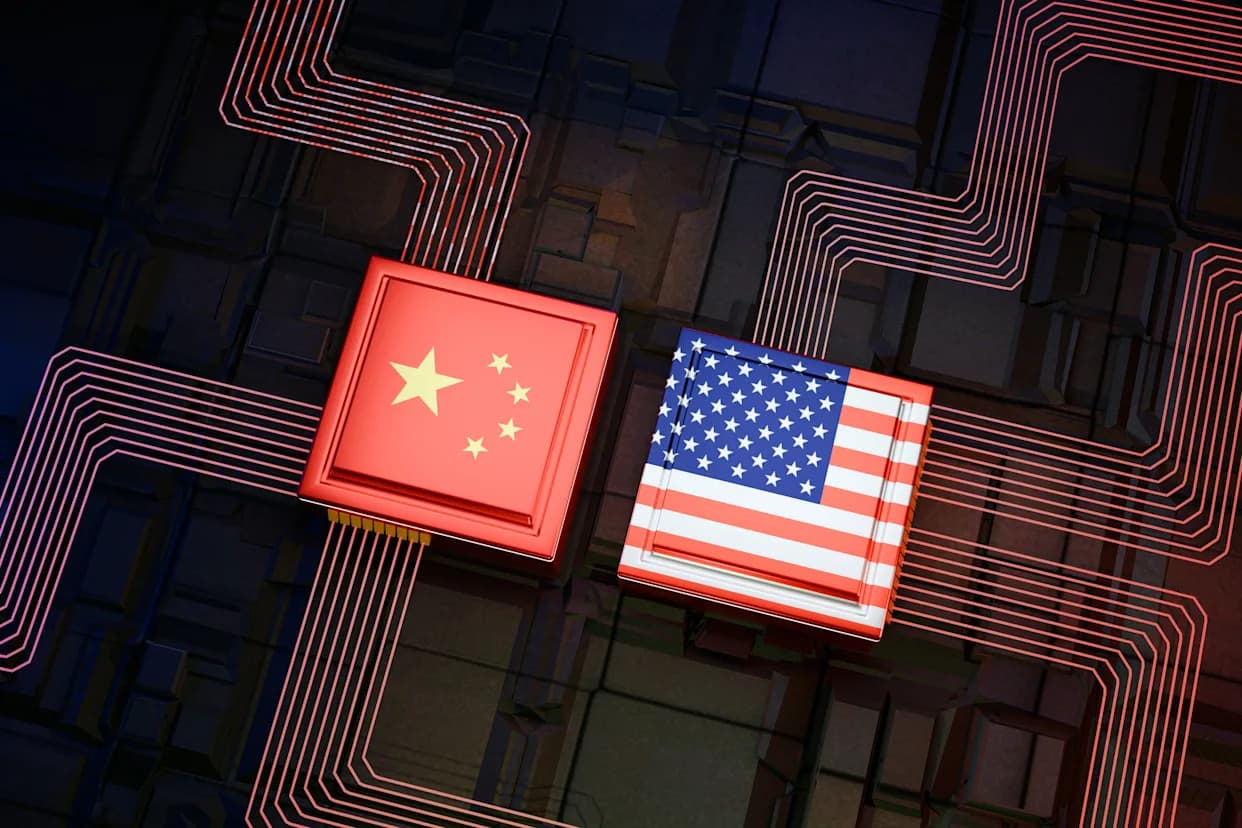
Many commentators in San Francisco and Washington frame U.S.-China competition over artificial intelligence as the 21st-century equivalent of the Space Race. Journalist Yi-Ling Liu, author of The Wall Dancers: Searching for Freedom and Connection on the Chinese Internet, warns that treating this rivalry as an existential, zero-sum contest risks becoming a self-fulfilling prophecy and may serve narrow industry interests that favor deregulation over safety.
Why the “AI Space Race” Framing Is Dangerous
Liu points to the release of the Chinese open-source model DeepSeek-R1 as a recent “Sputnik moment” that unnerved U.S. regulators and corporate leaders. But she cautions there is little evidence that artificial general intelligence (AGI) is a coordinated national priority for Beijing. By insisting on a race narrative, policymakers risk accelerating development while rolling back safeguards in the name of competitiveness.
"The biggest risk is this rolling back of regulation and accelerating ahead without safety parameters in the name of trying to beat [China]." — Yi-Ling Liu
Regulatory Backlash And Intellectual Property
Liu warns that the rhetoric of competition can be used to justify weakening safety evaluations, diluting benchmarks for frontier models, and loosening accountability measures intended to limit catastrophic risks, including biological threats. Intellectual property is another flash point: calls to train models on artists’ and writers’ work may be amplified by claims that China has fewer IP constraints, creating pressure to erode creators’ rights in the U.S.
A Practical Alternative: Track-Two Diplomacy
Instead of an all-out scramble, Liu recommends expanding track-two dialogues — exchanges between scientists, civil-society groups and influential non-governmental experts from both countries. These parallel channels could identify mutual red lines, coordinate safety standards for models, and reduce the chance that poorly informed assumptions about the other side drive hasty policy choices.
“China Envy” In Silicon Valley And Policy Circles
Liu describes a wave of what she calls "China envy," fueled by high-profile technical milestones and social-media trends. She notes two catalysts: DeepSeek-R1 and an influx of former TikTok users to China’s RedNote app after U.S. restrictions. Short visits by tech leaders and commentators often reinforce the impression that China is sprinting ahead — a perception that can reflect American anxieties about domestic stagnation as much as actual, dramatic change inside China.
Global Consequences: Digital Sovereignty And Dependence
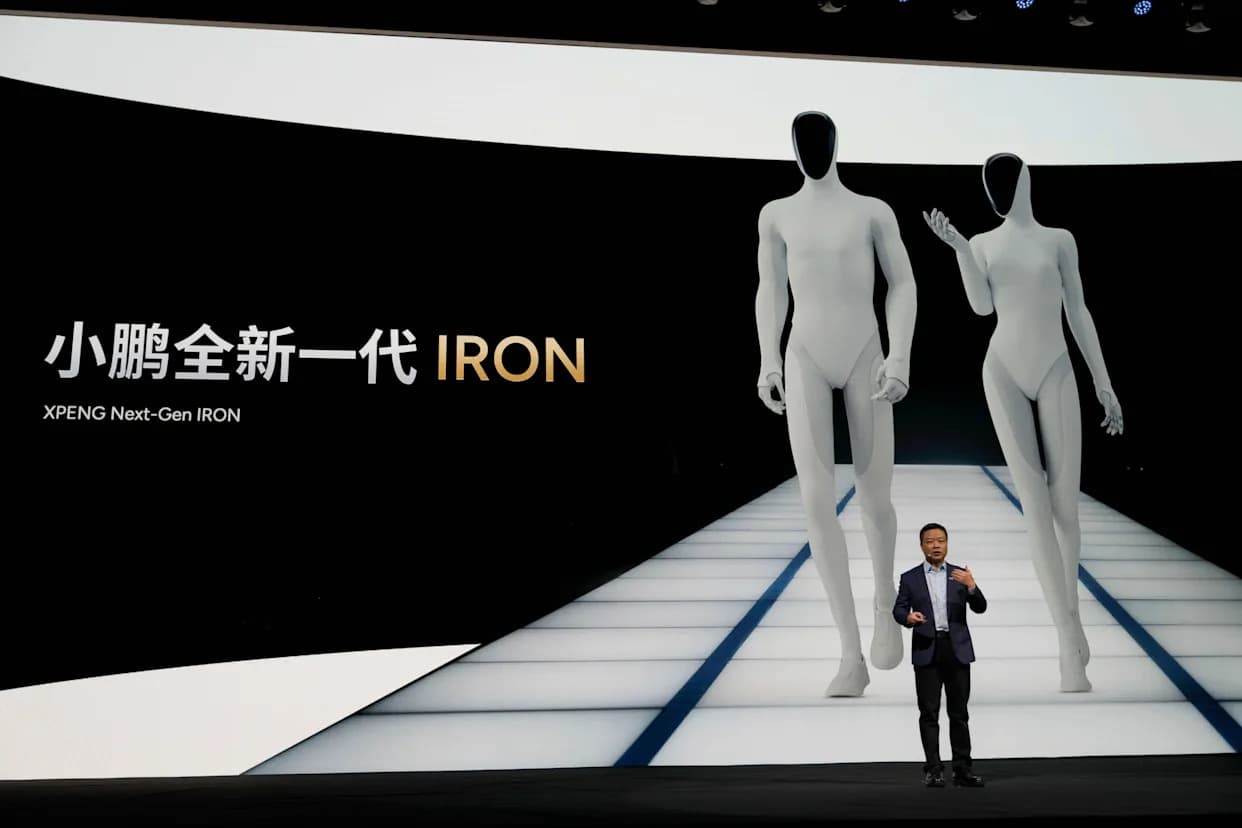
As the U.S. recalibrates its global role and allies pursue “digital sovereignty,” many countries will face harder choices about dependence on Chinese hardware and platforms. Europe may reassess its auto and EV supply chains; countries across the Middle East and beyond could increasingly rely on Chinese digital infrastructure and robotics. That shift could reshape how international standards for AI and related technologies are negotiated.
TikTok, Algorithms And The New Dance
The proposed sale of TikTok assets to American investors illustrates these dynamics playing out on U.S. soil. Even if majority stakes become U.S.-controlled, questions remain about who controls content moderation and algorithms, and how political relationships — including ties to the current administration — might shape platform governance. Liu emphasizes that the same push-and-pull she observed between Chinese tech firms, the state and users is now visible in American debates.
Common Misconceptions About China
Two persistent misreadings stand out: treating China as a monolith and presuming binary identities toward the state (patriot vs. dissident). Liu stresses that a more accurate view holds multiple, sometimes contradictory truths simultaneously: China can be a technological powerhouse while also facing economic headwinds, employment challenges and demographic decline. Accurate policy demands nuance, not caricature.
Bottom line: The stakes of AI governance are global and urgent. Framing the U.S.-China relationship as an inevitable, winner-take-all race risks weakening safety safeguards, encouraging counterproductive policy, and obscuring practical avenues for cooperation.
Help us improve.