The cherry blossom festival at Arakurayama Sengen Park has been cancelled after residents reported repeated incidents of trespass, misuse of private toilets and even defecation in gardens. Fujiyoshida’s mayor warned that these behaviours threaten the dignity and way of life of local people. Authorities plan additional patrols, portable toilets and crowd controls, while neighbouring towns have installed barriers and introduced trail fees to curb over-tourism.
Mount Fuji Cherry Blossom Festival Cancelled After Reports Of Tourist Misconduct
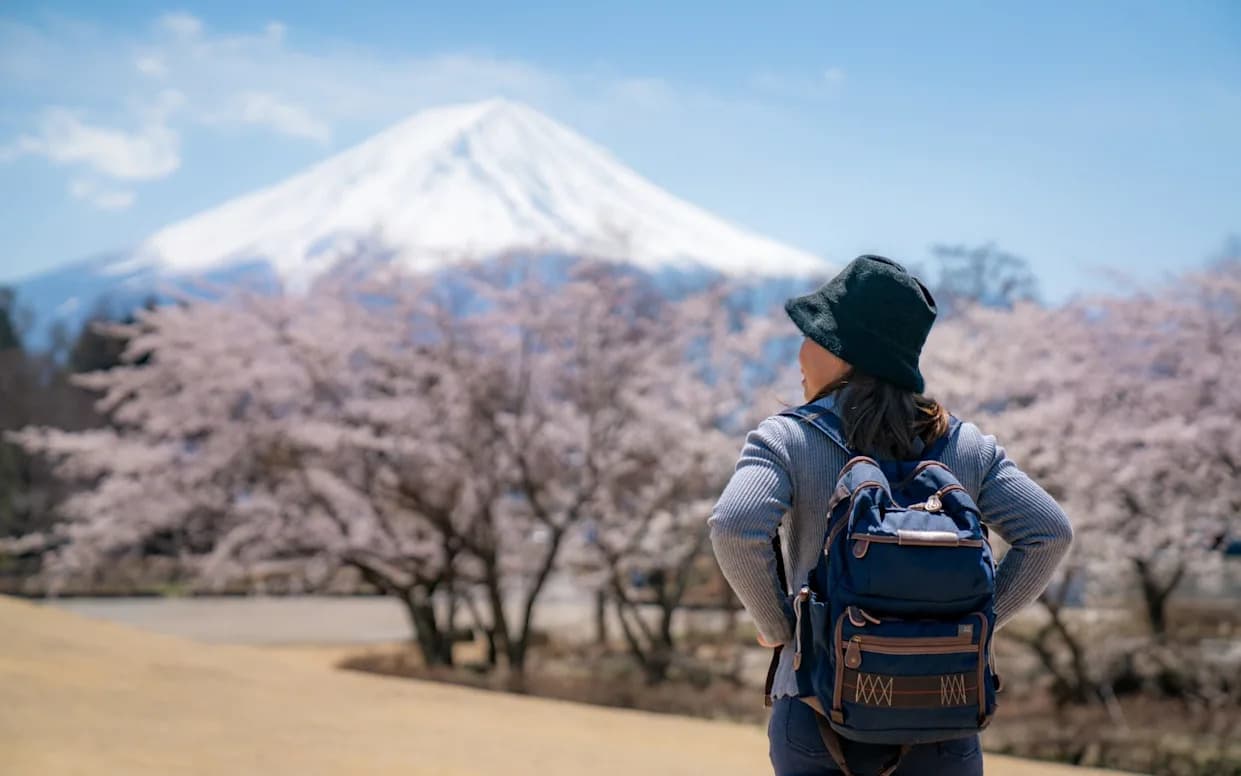
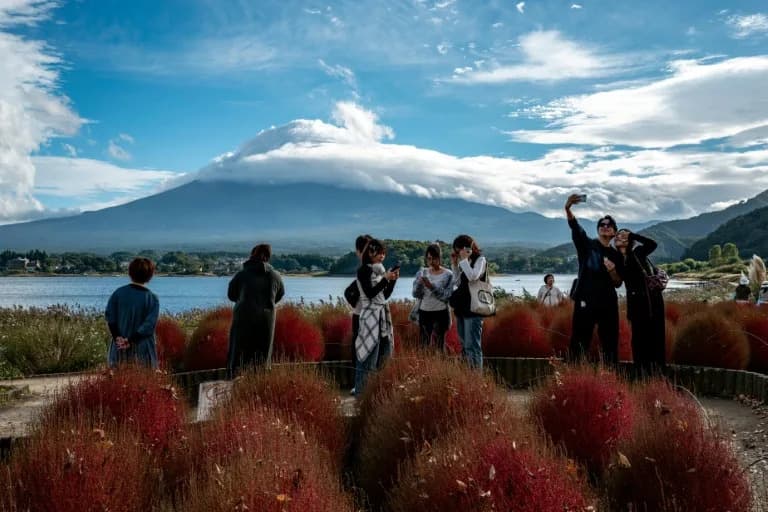
Local authorities are still preparing for tourists in cherry blossom season despite the festival’s cancellation - Prasit photo/Moment RF
The annual cherry blossom festival at Arakurayama Sengen Park, beneath Mount Fuji, has been cancelled after repeated reports of unruly tourist behaviour that residents say "threaten the dignity" of the local community.
What Happened
The event normally draws as many as 200,000 visitors to Fujiyoshida City each spring, when crowds gather at the park’s observation deck for the iconic view of Mount Fuji framed by pink cherry blossoms and the Chureito Pagoda. Locals say the sudden, seasonal influx has become overwhelming and increasingly difficult to manage.
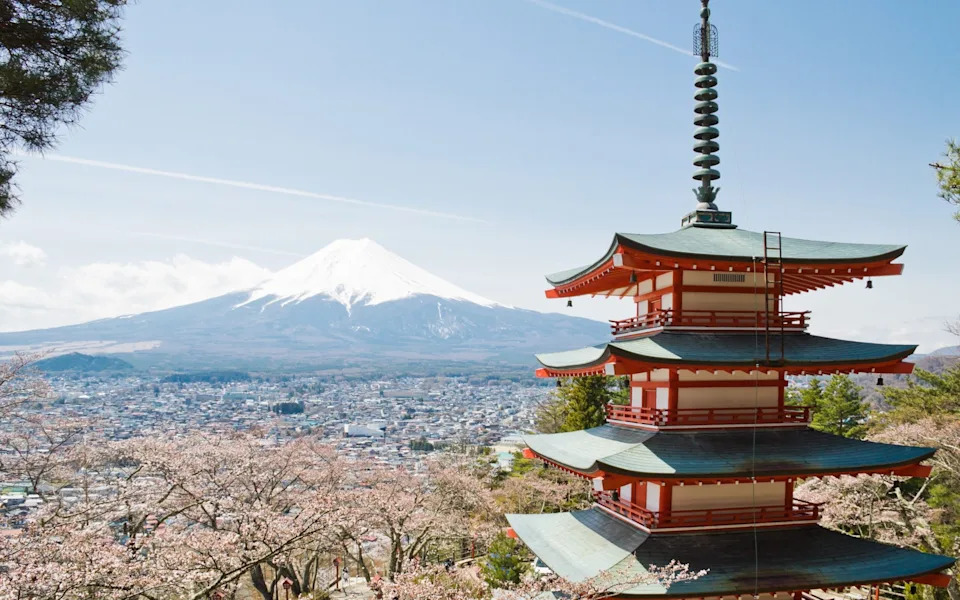
The Mount Fuji cherry blossom festival is typically held in Arakurayama Sengen Park - Melissa Tse
Incidents Reported
Residents reported a range of problems, including trespassing into private homes to use toilets without permission and, in some cases, people defecating in private gardens. There were also accounts of dangerous crowding near roads, with reports that children were pushed into the street by passing groups.
Shigeru Horiuchi, Mayor of Fujiyoshida: "For Fujiyoshida City, Mount Fuji is not just a tourist attraction; it is our very way of life. However, I feel a strong sense of crisis about the reality that, behind the beautiful scenery, the quiet lives and dignity of our residents are being threatened."
Measures And Local Response
Although the festival itself was cancelled, authorities expect heavy visitor numbers during cherry blossom season and have introduced measures to reduce harm and disorder. These include stepped-up security patrols, additional portable toilets, crowd management efforts and appeals for visitors to use public transport and respect private property and residential areas. Long waits at the observation deck are still expected, with queues of up to three hours on peak days.
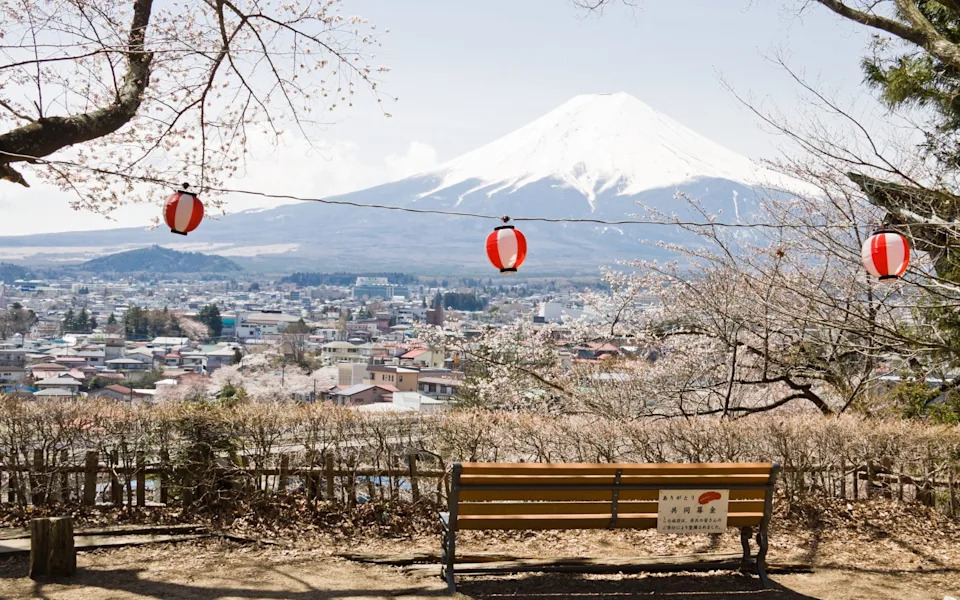
Crowds can be waiting up to three hours to visit the park’s observation deck for a view of Mount Fuji - Melissa Tse
Nearby Fujikawaguchiko has already taken more visible steps to deter problematic behaviour: the town erected a 20-metre-long, 2.5-metre-high black-mesh fence to block the main view of Mount Fuji and discourage trespassing on private land by visitors taking photos.
Authorities have also tightened controls on mountain access. From 2025 a charge was introduced for using one of Mount Fuji’s main hiking routes: a peak-season entry fee of ¥4,000 (about £18.74). Daily numbers on the popular Yoshida Trail have been capped at 4,000 to improve safety and reduce environmental impact.
Context
Mount Fuji has grappled with over-tourism for several years, as rising visitor numbers have increased pollution, strained local services and raised safety concerns. Officials say the weak yen could draw more overseas visitors to what is usually an expensive destination, heightening pressure on local communities and infrastructure.
Help us improve.