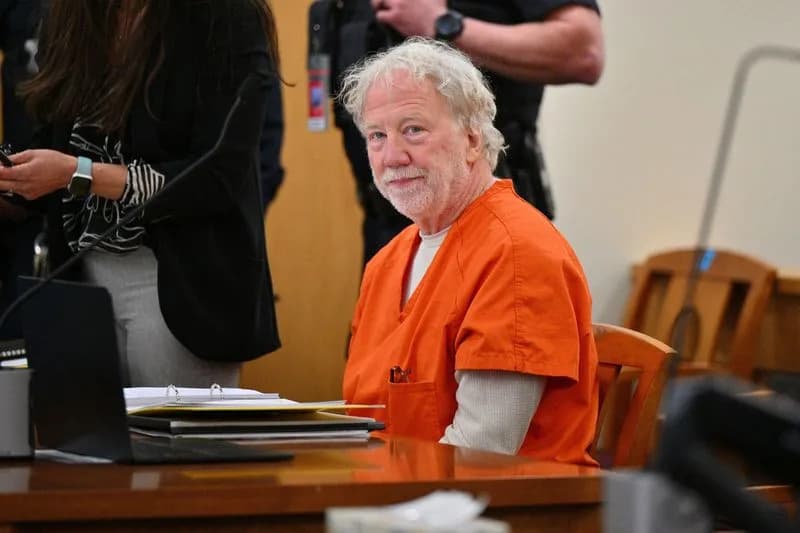
Republican lawmakers rejected Hillary Clinton's call for a public hearing after she and Bill Clinton agreed to filmed, transcribed depositions in the House Oversight Committee's Jeffrey Epstein probe. The Clintons accepted closed-door, recorded interviews for Feb. 26 and 27 after facing possible contempt-of-Congress votes. Committee Republicans say subpoenas required depositions — not a public hearing — while Democrats charge the effort is politically motivated. There are no official allegations of wrongdoing by the Clintons in the Epstein matter.
House Oversight GOP Denies Hillary Clinton's Call For Public Epstein Hearing; Clintons Agree To Filmed, Transcribed Depositions
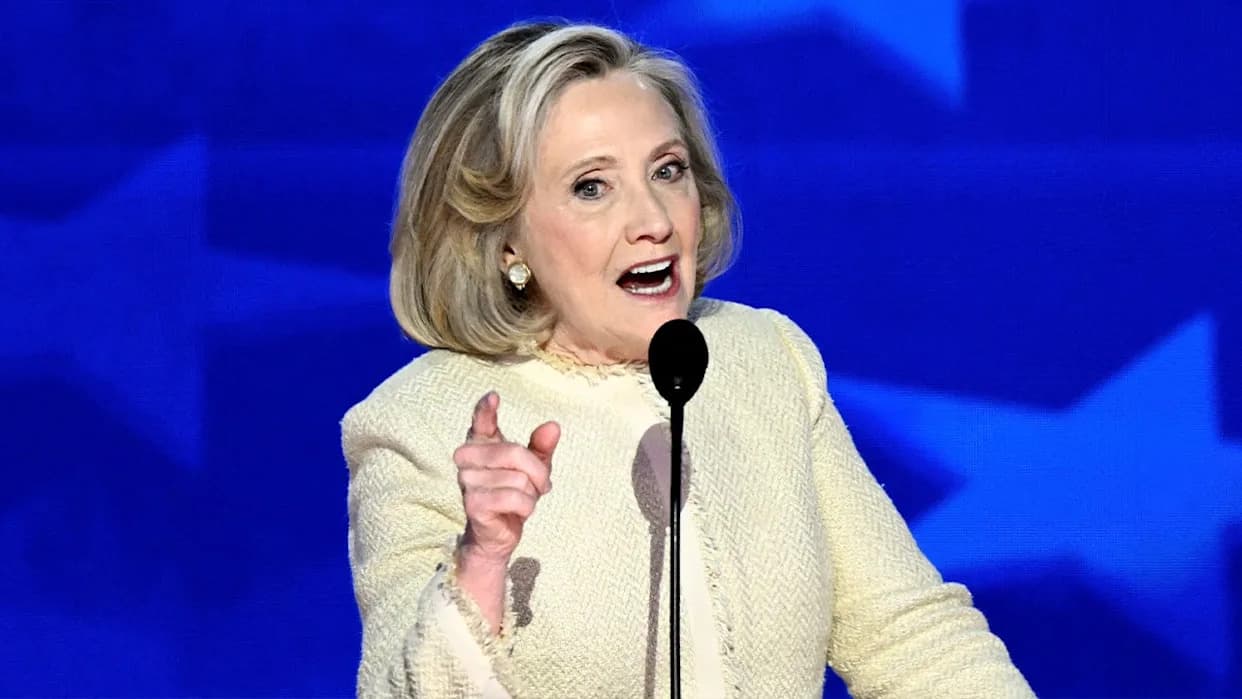
House Oversight GOP rejects Hillary Clinton demand for public Epstein hearing: 'No one is buying their claims'
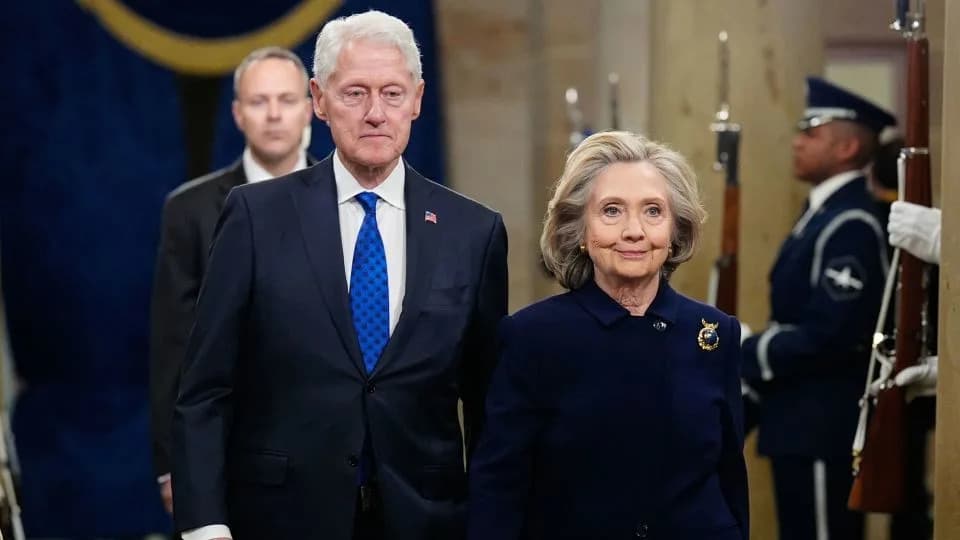
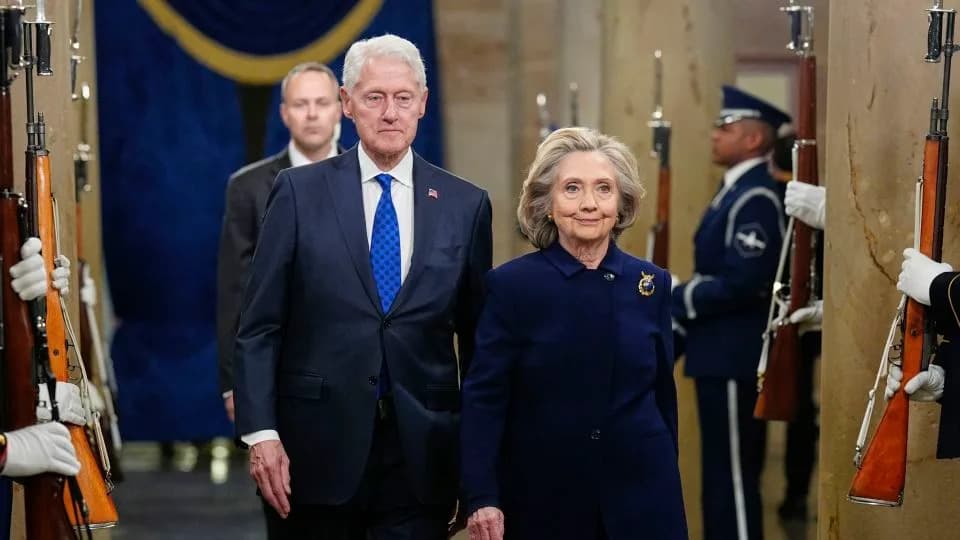
The Republican majority on the House Oversight Committee declined former Secretary of State Hillary Clinton's request for a public hearing after she and former President Bill Clinton agreed to appear for filmed, transcribed depositions in the committee's investigation of Jeffrey Epstein.
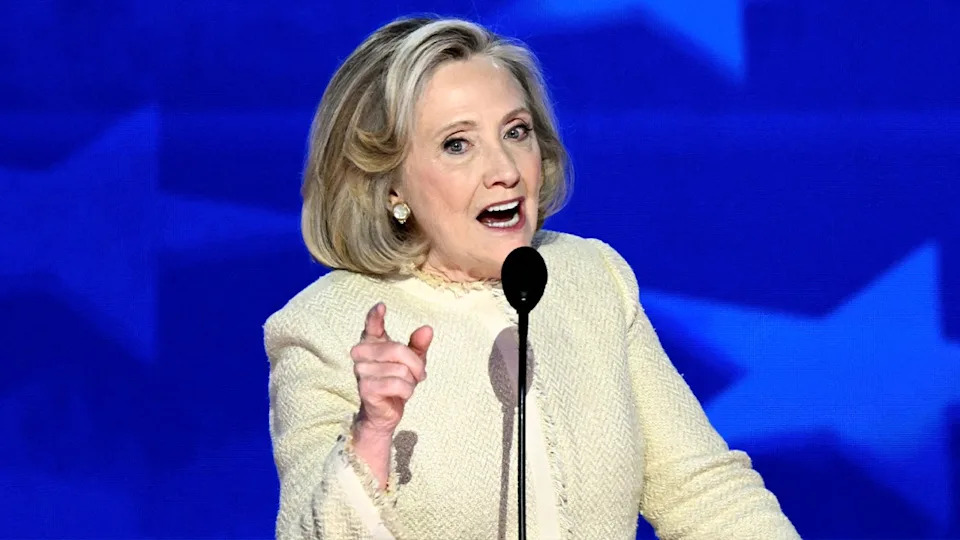
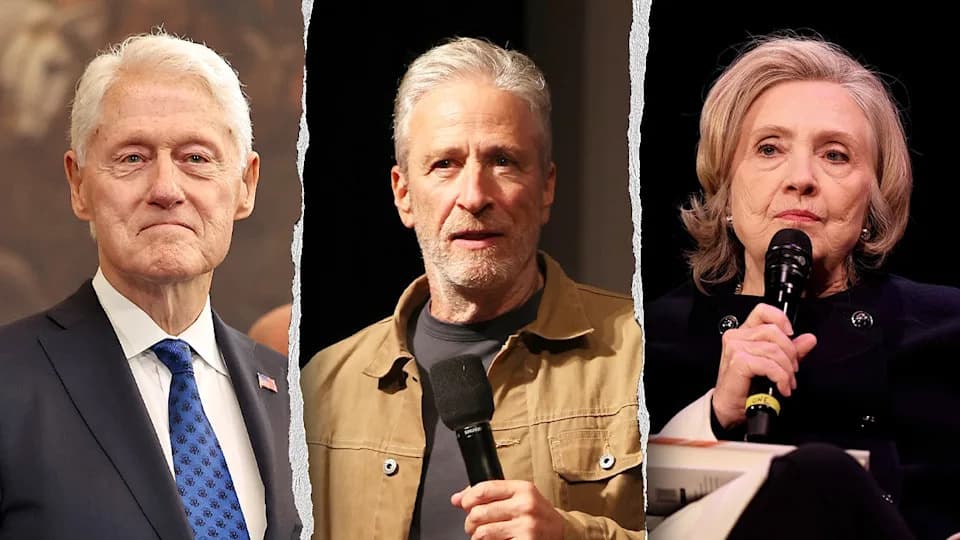
Former Secretary of State Hillary Clinton has agreed to testify before Congress regarding Jeffrey Epstein.(Getty Images)
"The Clintons are going to Clinton and try to spin the facts since no one is buying their claims. The only ones moving the goalposts are, as usual, the Clintons and their attorneys. The Clintons were issued bipartisan subpoenas for depositions — not a hearing," a spokeswoman for the committee's GOP majority said.
What Happened
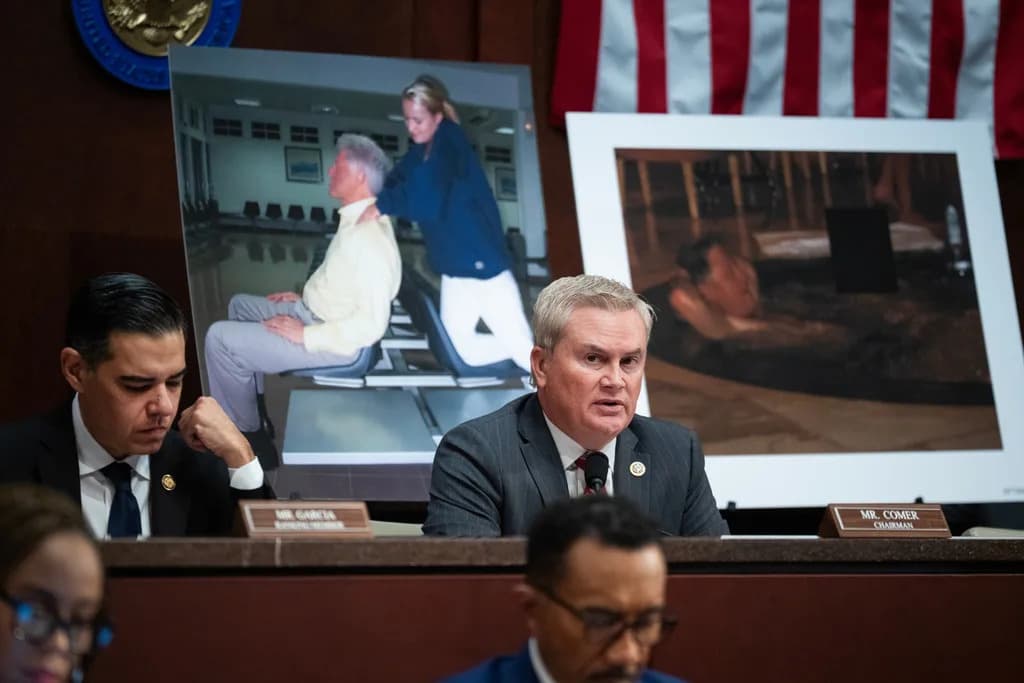
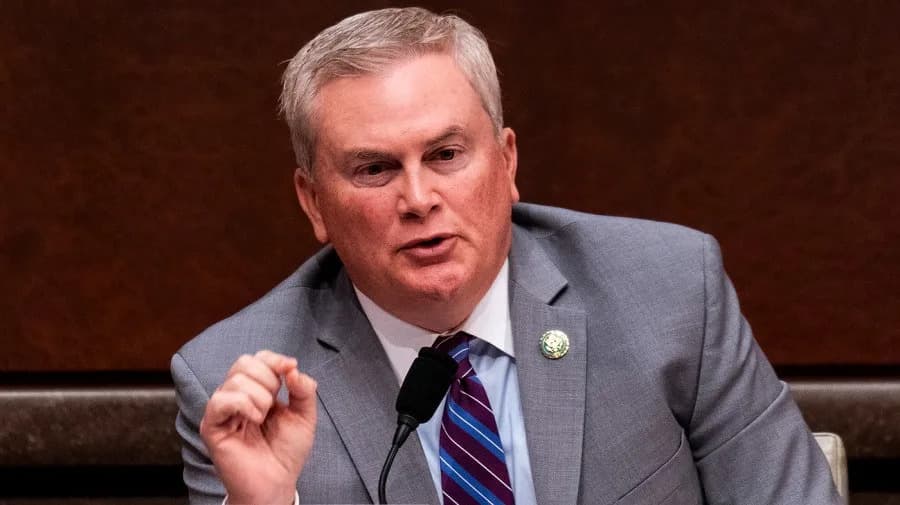
Committee Republicans emphasized that the bipartisan subpoenas required recorded, transcribed depositions and that the Clintons agreed to those terms after facing the prospect of contempt proceedings. Oversight Chairman Rep. James Comer (R-Ky.) announced the interviews will be closed-door, transcribed sessions filmed on Feb. 26 (Hillary Clinton) and Feb. 27 (Bill Clinton).
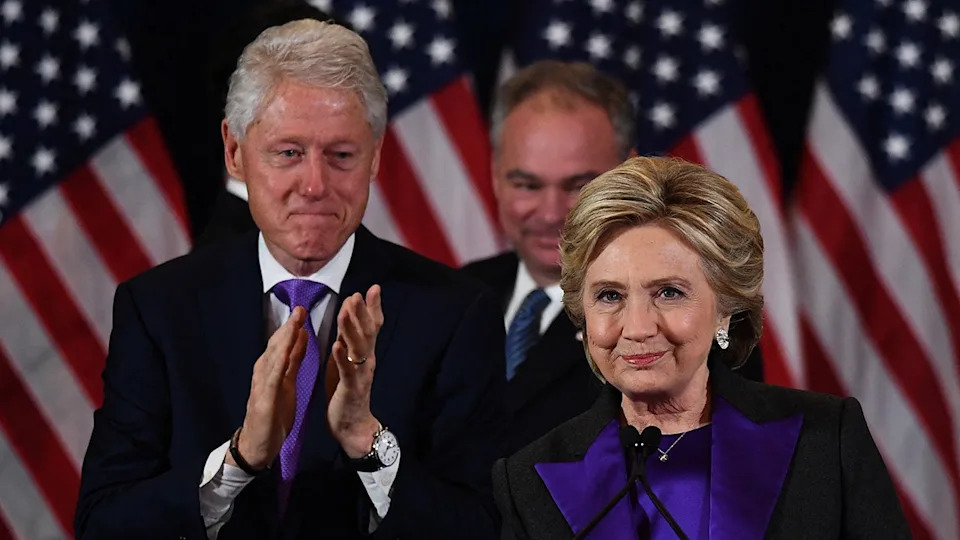
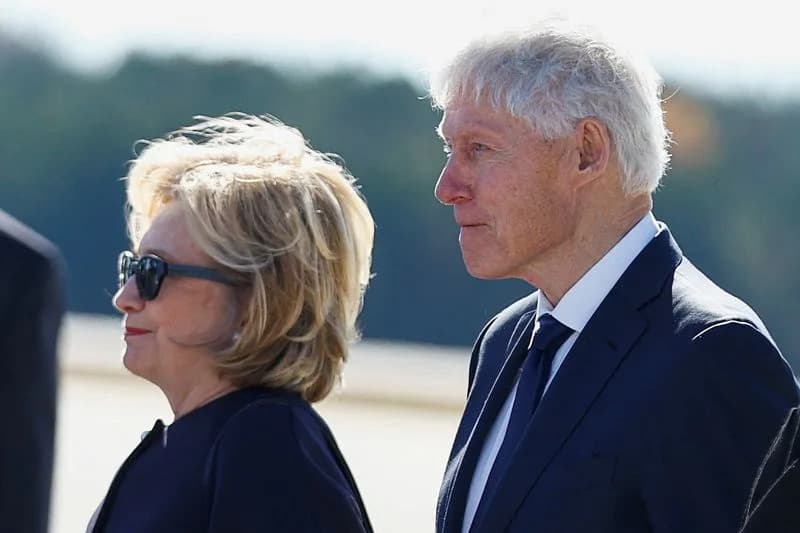
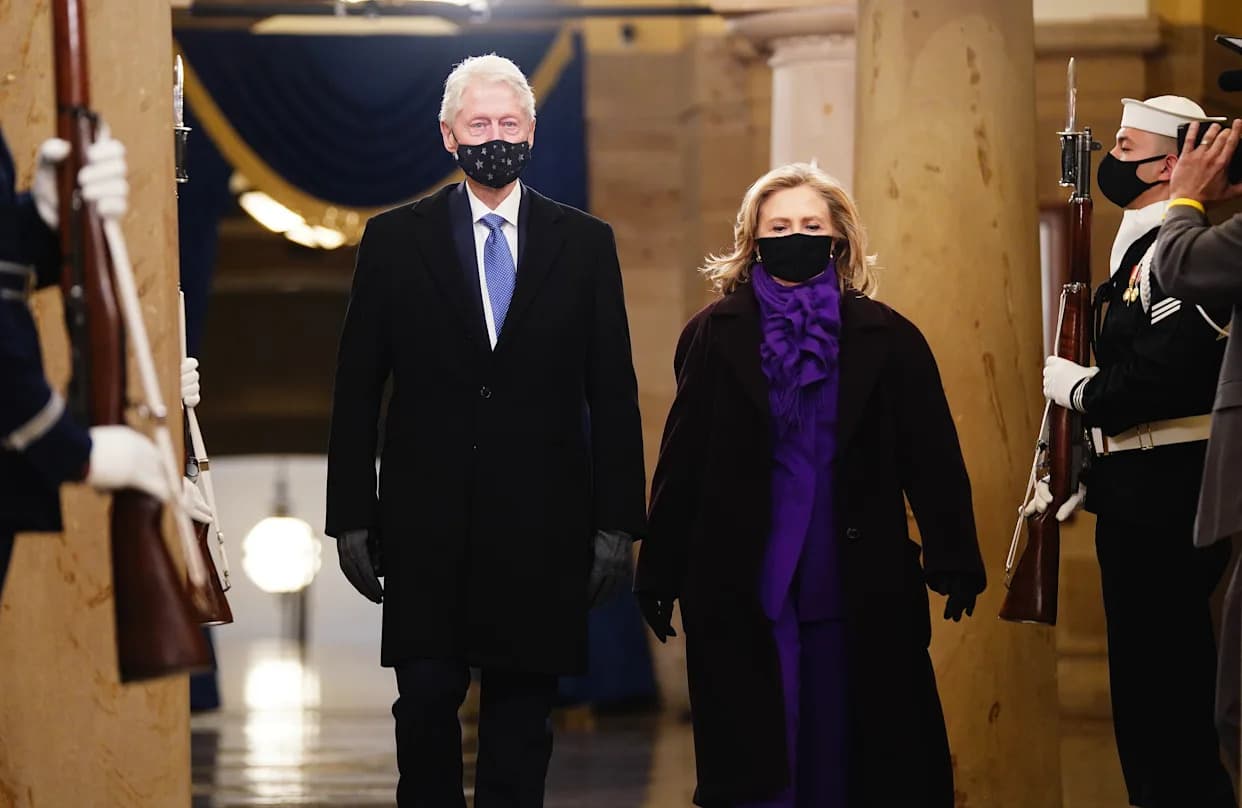
Bill and Hillary Clinton will testify before Congress later this month.
Background And Legal Fight
The Clintons were among 10 people subpoenaed as part of the panel's review of how federal authorities handled Epstein's case. To date, only two subpoenaed witnesses — former Attorney General Bill Barr and former Labor Secretary Alex Acosta — have testified in person before the committee. After months of negotiation, the Clintons' attorneys contacted Comer shortly before the House Rules Committee advanced contempt-of-Congress resolutions against both former first-family members.
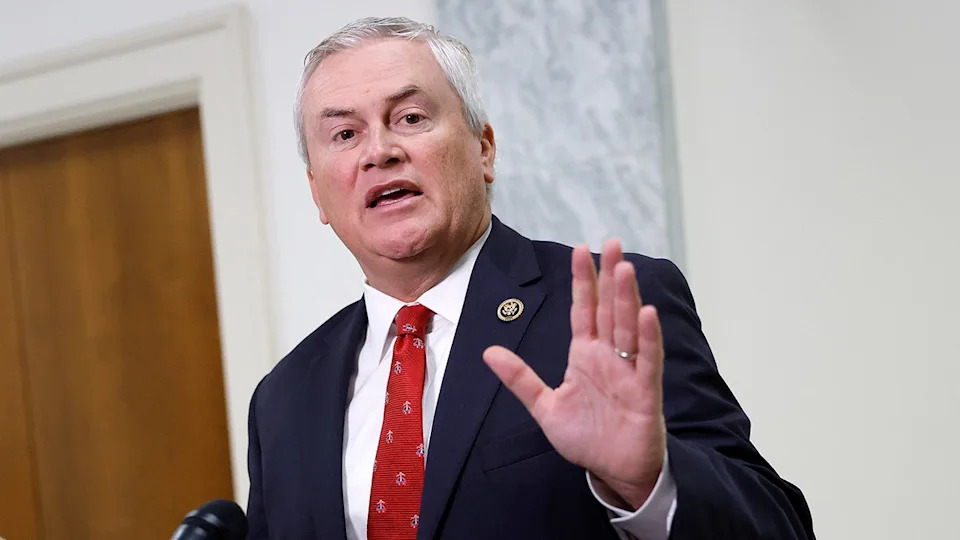
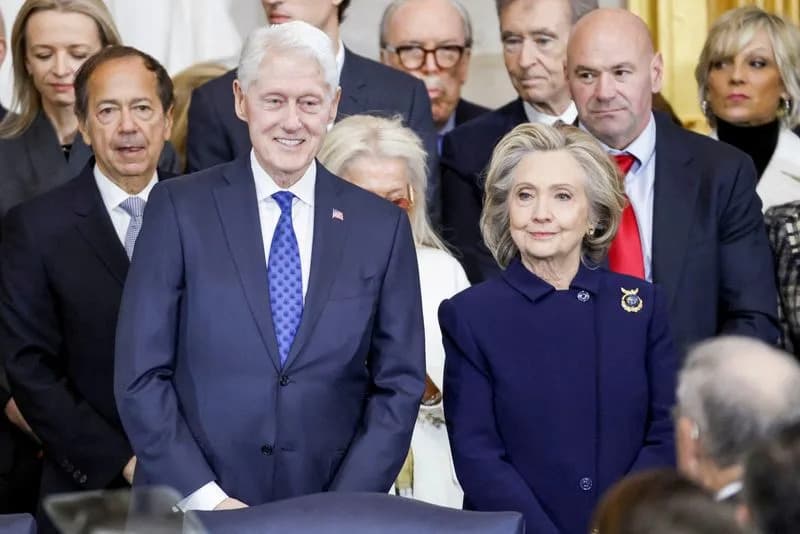
House Oversight Committee Chairman Rep. James Comer threatened to hold the Clintons in contempt of Congress.
Hillary Clinton wrote on X that she and her husband had engaged with committee Republicans "in good faith" for six months, provided what they knew under oath, and accused the committee of having "moved the goalposts." She urged a public hearing: "If you want this fight…let’s have it—in public. You love to talk about transparency. There’s nothing more transparent than a public hearing, cameras on. We will be there."
Positions And Accusations
Comer framed the move toward depositions as enforcement of the committee's subpoenas and said the panel acted to ensure accountability. The Clintons' lawyers argued the subpoenas were legally invalid, violated separation-of-powers principles, and were unnecessary because the couple had already provided limited information voluntarily. Comer rejected those legal claims and pressed forward with contempt procedures when talks stalled.
Democrats on the committee criticized Comer's tactics as politically motivated rather than focused on securing answers for Epstein's victims. The committee twice declined offers for Comer and ranking Democrat Rep. Robert Garcia (D-Calif.) to travel to New York with limited staff to take Bill Clinton's testimony in person.
Current Status
The depositions are scheduled to be recorded and transcribed under terms set by the committee. A contempt referral would have sent the Clintons' cases to the Department of Justice for possible prosecution, but the committee's action secured agreement to appear for the depositions instead. There has been no official allegation that either Bill or Hillary Clinton committed crimes in connection with Jeffrey Epstein.
Help us improve.