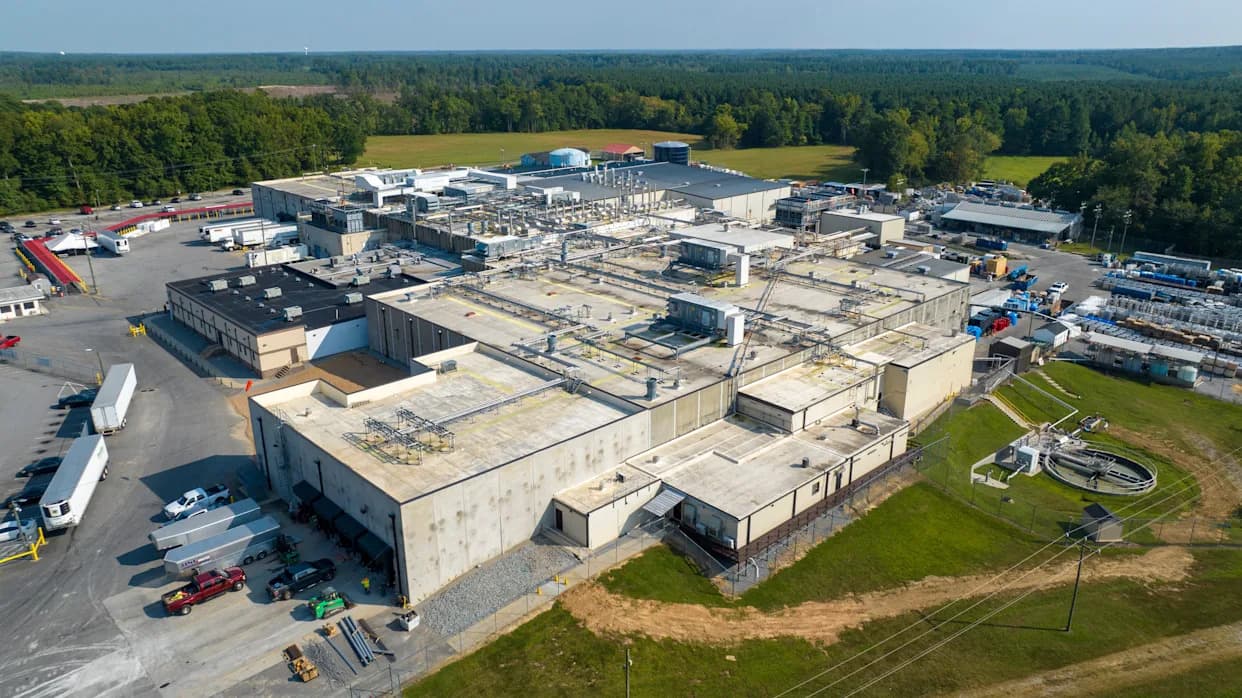
Boar’s Head has restarted limited production at its Jarratt, Virginia, deli meat plant nearly 17 months after the facility was closed following a 2024 listeria outbreak that killed 10 people and sickened dozens. The company says the site was extensively renovated and validated before resuming operations.
What Happened
In 2024, a listeria outbreak was traced to Boar’s Head’s Jarratt plant, prompting a recall of roughly 7 million pounds (more than 3 million kilograms) of deli products and the company’s decision to permanently stop making liverwurst. The Jarratt facility has now resumed limited operations after nearly 17 months offline, with company officials saying federal inspectors required for operation are on site.
Company Response and Remediation
Natalie Dyenson, Boar’s Head’s chief food safety officer, said the Jarratt plant was "literally rebuilt from the inside out." Company officials describe replacement of floors, drains and air filtration systems; separation of raw and ready-to-eat production areas; new management and staff; and nearly 12,000 environmental swabs taken to look for listeria.
Boar’s Head also says it has voluntarily adopted a stricter U.S. Department of Agriculture listeria control standard that requires a documented "kill step" designed to prevent the germ from growing in most finished deli products. "Have confidence that we’re doing everything we can as quickly as we can," Dyenson said, adding the company implemented an "above-and-beyond" control to add another layer of protection.
Ongoing Concerns From Other Inspections
At the same time, recent inspection records from a separate Boar’s Head plant in Petersburg, Virginia, obtained through a Freedom of Information Act request, document dozens of noncompliance reports between July and December 2025. Inspectors cited recurring sanitation problems including dripping condensation, meat residue on equipment and in drains, and failures to follow the company’s written listeria testing and monitoring procedures.
"Today’s incident marks the fifth occurrence of this noncompliance in a month," an inspector wrote on Oct. 25 after finding ham molds "dirty with smeared residue."
Records also follow earlier inspections that documented what inspectors described as "general filth" at another Boar’s Head site.
Reaction: Advocates, Lawmakers and Legal Fallout
Food-safety advocates and lawmakers say the Petersburg findings raise broader questions about company culture and oversight. Brian Ronholm, director of food policy for Consumer Reports, said the reports could hinder efforts to rebuild consumer trust. Rep. Rosa DeLauro, who has been critical of Boar’s Head, said the company "must be held fully accountable" and has left an invitation from the Congressional Food Safety Caucus open after officials chose to respond in writing rather than appear in person.
Boar’s Head has faced multiple lawsuits from people who became ill and from families of those who died. Several survivors declined to comment on recent inspection reports, citing settlements that included nondisclosure agreements.
Outlook
Boar’s Head maintains that the specific liverwurst production issues were the root cause of the deadly outbreak and that the Jarratt plant’s overhaul addresses contamination risks. Nevertheless, persistent sanitation violations at another facility and ongoing scrutiny from regulators, advocates and lawmakers suggest the company will face sustained pressure to demonstrate sustained improvements in food-safety culture and compliance.